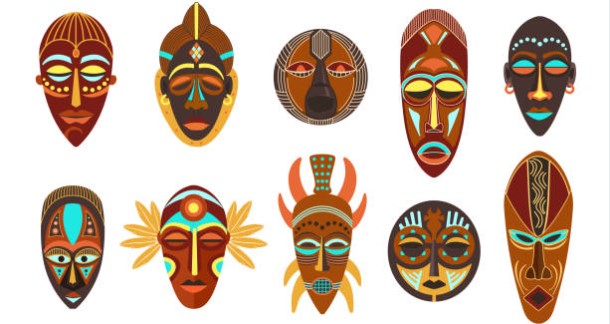
African Spirituality and Mathematics
African spirituality is an umbrella term for the diverse, pre-colonial belief systems, practices, and cultural traditions of African peoples, characterized by a holistic lifestyle that integrates spiritual awareness into daily life, ancestor veneration, connection to nature, and a belief in a supreme creator God and other spirits.
It emphasizes a deep interconnectedness with the community, the environment, and the spirit world. Different regions and groups having unique traditions, like the Yoruba Ifa system.

Key Aspects of African Spirituality:
Holistic Lifestyle:
Spiritual practices are embedded in all aspects of life, from food and relationships to burial rites and the environment.
Ancestor Worship:
Deceased family members and respected community figures are revered as ancestors who can influence the living world.
Connection to Nature:
A profound respect and reverence for and connection to nature, like air, water, and land, is central.
Spirit World:
Belief in a spirit world populated by various supernatural beings, a transcendent creator God and lesser deities.
Community and Culture:
It is a vital component of culture, its core value being the interconnectedness and harmony to the community.
Cultural Resilience:
Many people are turning to African spirituality to reconnect with their roots and cultural identity, especially in the context of resisting colonial legacies and Western cultural dominance.
Diversity and Misconceptions
Varying Beliefs:
Beliefs and practices vary significantly across different ethnic groups and regions.
“Spirituality” vs. “Religion”:
The term “African spirituality” is sometimes preferred over “religion” to distinguish it from Western religious models and emphasize its broader, holistic nature.
Post-Colonial Context:
The term has gained prominence in the post-colonial era, as a form of cultural resistance against the imposition of Western faiths and values.
Reconnecting with Roots
Seeking Identity:
For many, exploring African spirituality is a way to connect with their ancestral heritage and strengthen their sense of cultural identity.
Empowerment:
Some view these traditional practices as a path to self-empowerment and a way to foster community and well-being, especially in response to racial divides.
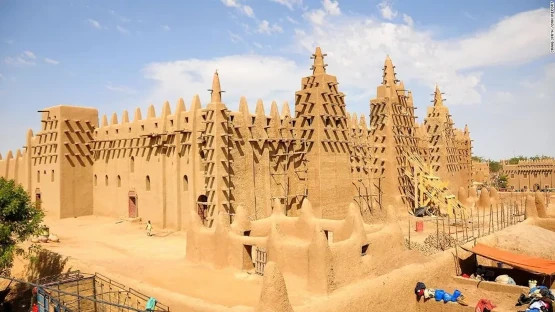
Timbuktu’s as an Islamic oasis was echoed in its 3 great mud-and-timber mosques: Djingareyber, Sankore, and Sidi Yahia:
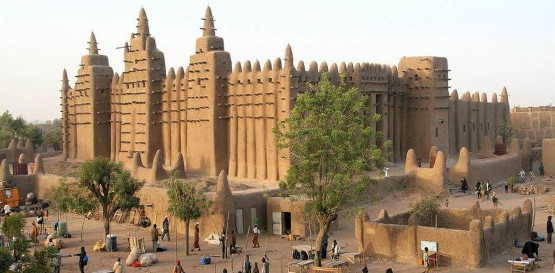
Djinguereber Mosque in Timbuktu, Mali
Timbuktu was a center of Islamic scholarship under several African empires, home to a 25,000-student university and other madrasahs that served as wellsprings for the spread of Islam throughout Africa from the 13th to 16th centuries.

Sacred Muslim texts were carried great distances to Timbuktu for the use of eminent scholars from Cairo, Baghdad, Persia, etc., who were in residence at the city.
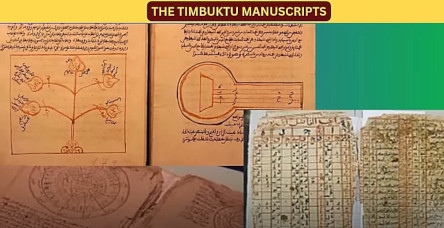
The great teachings of Islam, from astronomy and mathematics to medicine and law, were collected and produced here in several hundred thousand manuscripts.

Many of them remain, though in precarious condition, to form a priceless written record of African history.