Kunlun Seafearers
The big black boats of the big black people
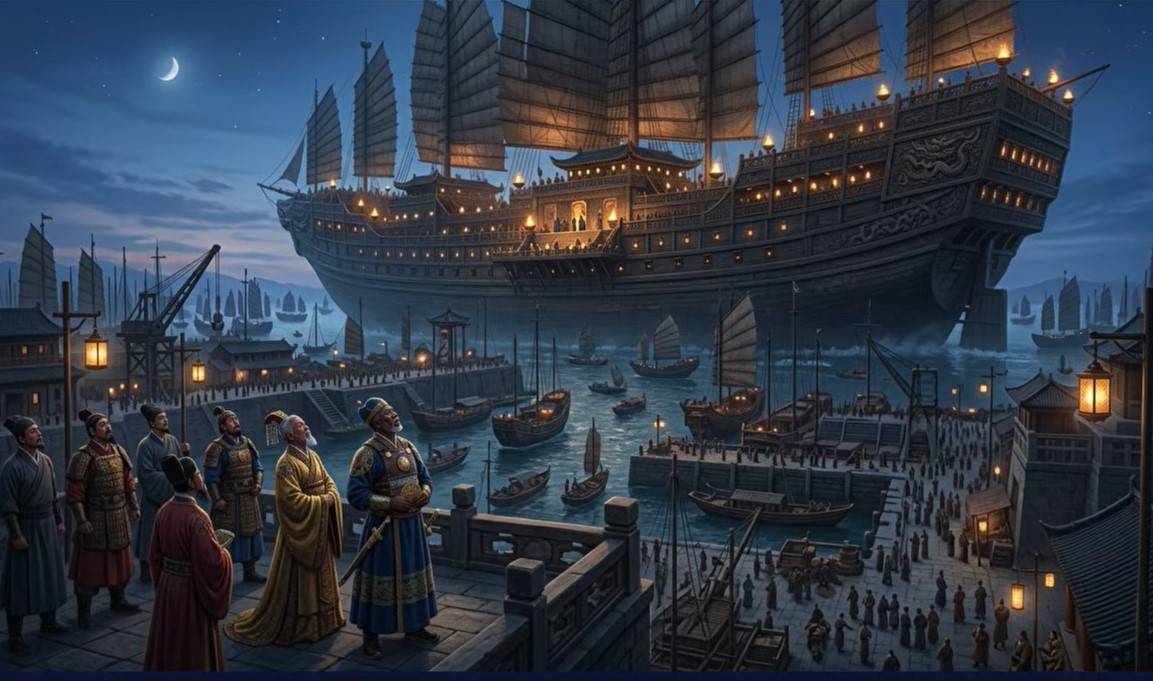
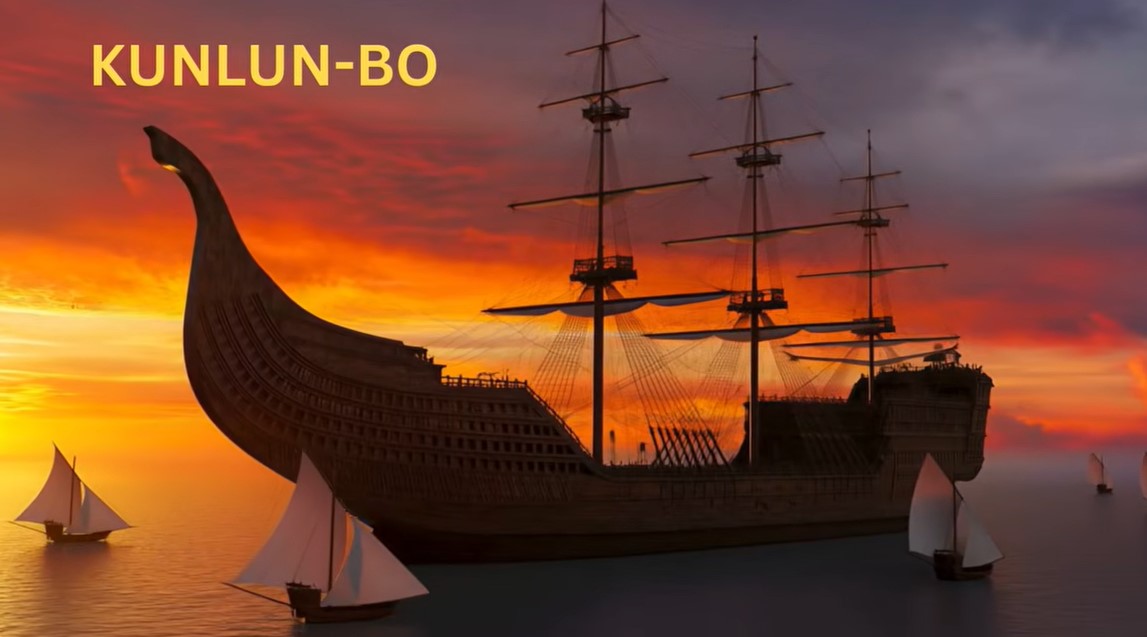
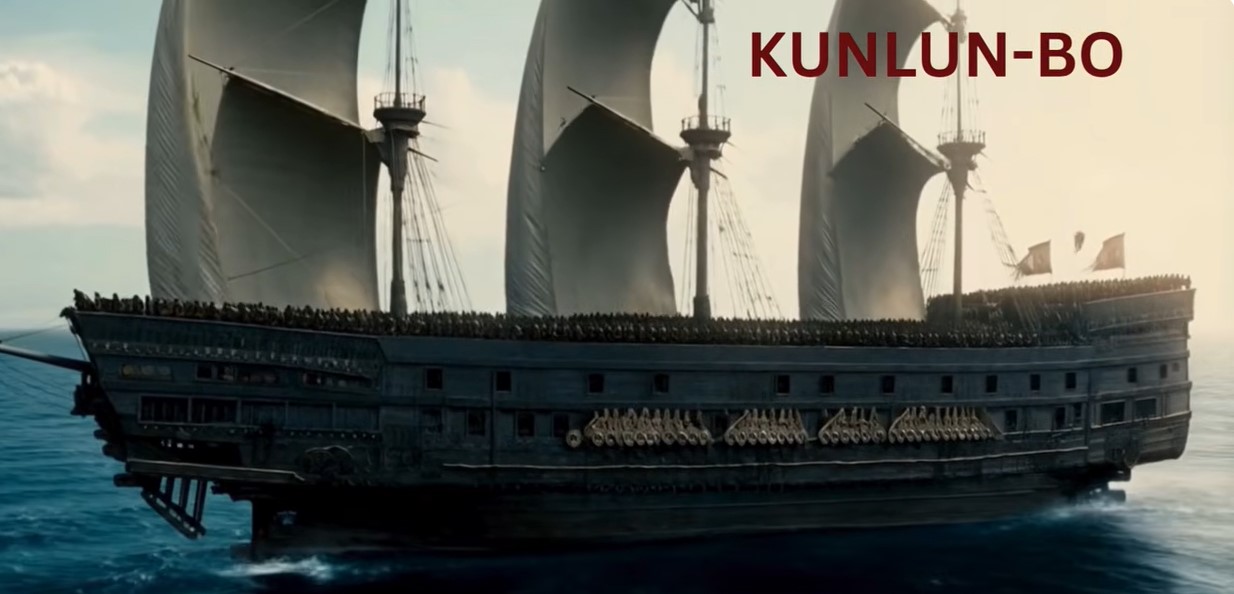
What Chinese sources actually say about these ships is astonishing. The Chinese knew these mighty oceangoing vessels by a name, Kunlun Bo. The ships of the Kun.
A description from the Chinese Buddhist dictionary Elching Yin compiled by Huin around 817 AD:
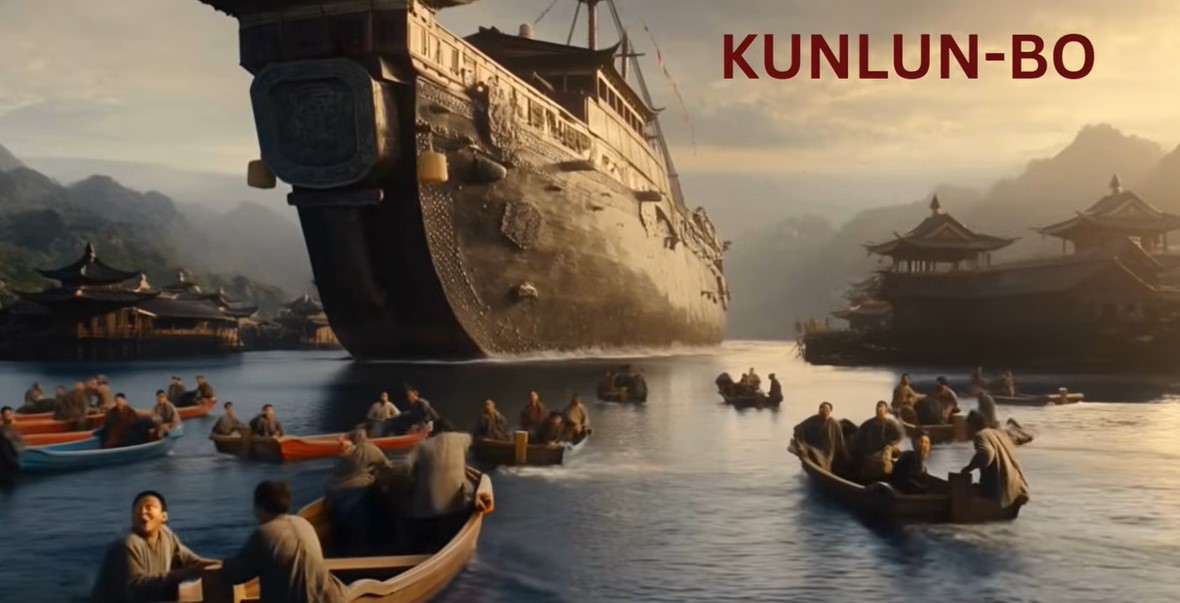
“These great oceangoing ships are called Po. They are fast and carry 1,000 men as well as merchandise. A floating population. Most of the people forming the crews and technicians were Kun people. Their 9thC AD vessels were constructed from fibrous material from coconut trees, made into cords to bind sections of the ship together. Rather than depending upon iron nails and clamps, these enormous vessels could be held together through a sophisticated wooden construction and fiber binding. Several thicknesses of planking strengthened the hull.
Their length was more than 60 meters of timber, appearing on the horizon in the 9th century. Great sails towering above the water, being raised to exploit the winds.”
Who were the Kunlu? Chinese dynastic traditions describe Lin Yi, a kingdom in present-day central Vietnam and the wider south-asian maritime world, where the Kunlun people live. They had a black skin, deep set eyes, upturned noses, and frizzy, curly hair. Their art & architecture achievements were incredible.
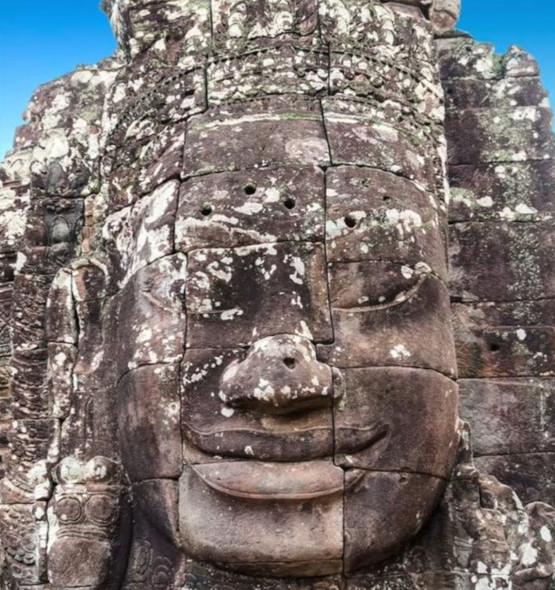
In South-East Asia, the Kmer Empire kings command enormous resources. Its sculptors carve rulers, aristocrats, gods, and sacred figures into stone. Broad faces, pronounced lips, powerful noses, faces carved into stone centuries ago.
Ancient African maritime connections have an intriguing linguistic echo that in parts of Mali and Senegal. African sailors, merchants, and ship builders participated in the maritime networks of the Indian Ocean, exchanging goods and knowledge with peoples all along the sea shores. The Champa civilization was well-recognized.

The Champa navigators, captains, sail makers, merchants, were men who understood the monsoon.
 African Champa Oceanfarers 12thC AD

Champa King accepting gifts & foods
Men who understood the stars. Men who knew that following the coast line of the Indian ocean all the way to China was not necessarily a barrier.