Brain Imaging

Brain imaging is generally divided into two categories:

  • structural imaging
  • functional imaging.

The purpose of structural imaging is to visualize the various structures of the brain and any physical abnormalities that may affect them (such as tumors, bleeding, blood clots, or birth deformities).

The purpose of functional imaging is to better understand the various structures of the human brain, by measuring activity in a brain part while it performs certain tasks.

Both are used to examine the anatomy and functioning of a particular area of the brain in a particular individual.

The following links offer brief descriptions of structural and functional imaging methods most commonly used today.

Structural Imaging Methods

Functional Imaging Methods

Computerized Tomography (CT)

Magnetic Resonance Imaging (MRI)

Transcranial Magnetic Stimulation (TMS)

Electroencephalography (EEG)

Functional Magnetic Resonance Imaging (fMRI)

Positron Emission Tomography (PET)

Magnetoencephalography (MEG)

When resting neurons become active, the blood flow to them increases. Since active neurons consume no more oxygen than at rest, changes in oxygen levels of their nearby blood vessels, can be detected. fMRI is the tool for that.
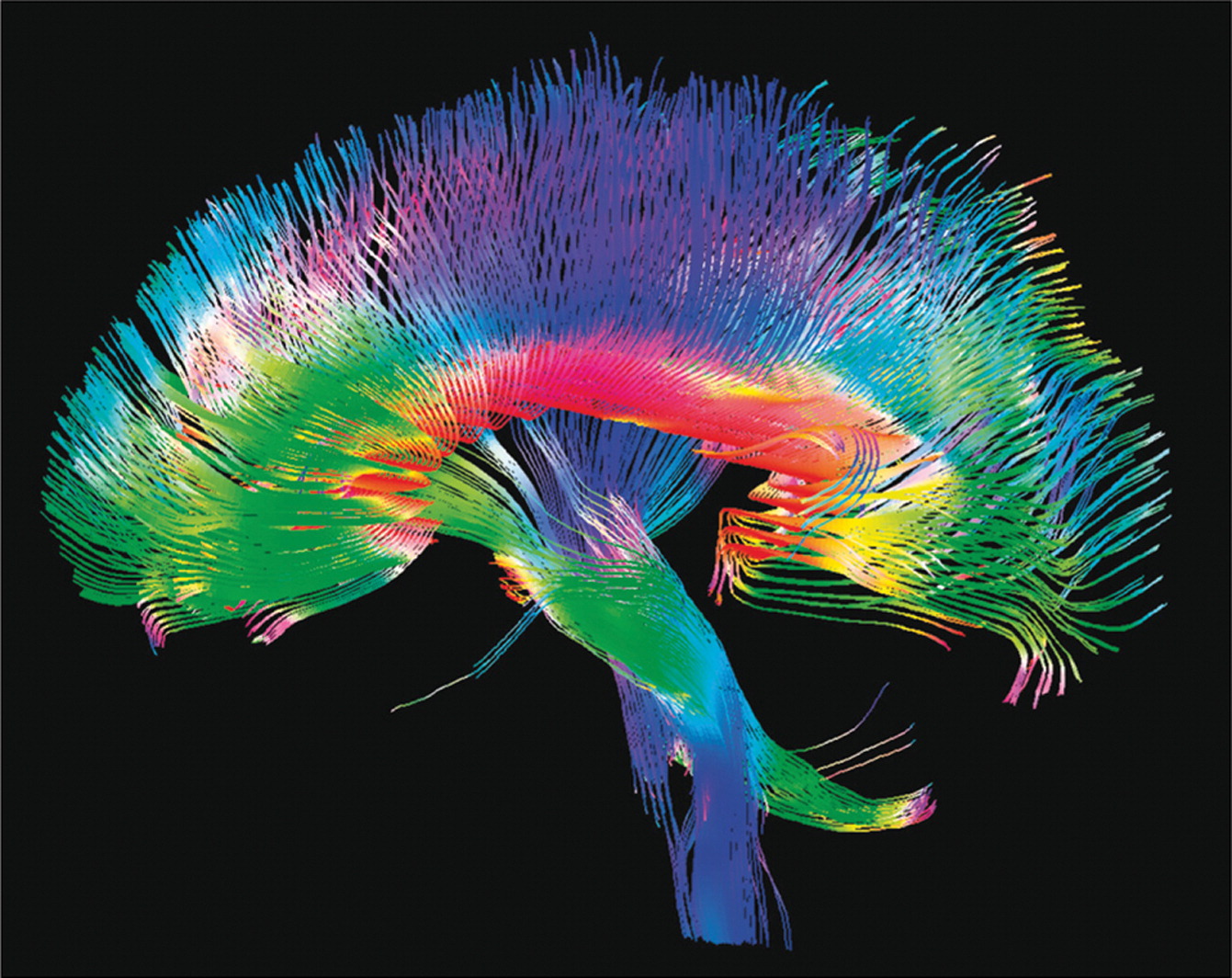

The Human Connectome
≈3 billion x billion connections?

read more …

Similar Posts

  • Quantum Conditioning 5

    The Practice of Quantum Conditioning is Revolutionary, because: Rather than strenuously pushing or circumventing against an obstacle, you can Choose 2 Connect to it. It connects very ancient metaphysical and dietary ways of living with today’s quantum-technology-based modalities and emphasis on physical well-being. The 2 Keys plus 14 Tools are simple. The tools amplify and…

  • Cytomegalovirus

    Cyto-megalovirus (CMV) is an illness you get from a type of herpes virus (an organism that uses your cells to copy itself). Many people will get infected in their lifetime, but most will have mild or no symptoms. Cytoplasm is a colorless viscous fluid that contains all the cell’s organelles. The cytoplasmic matrix is the…

  • Knights Templar

    13th Century Map of the Cosmos The Poor Fellow-Soldiers of Christ of the Temple of Solomon, also known as the Order of Solomon’s Temple, the Knights Templar, or simply the Templars, was a military order of the Catholic faith, founded in 1119. It was one of the wealthiest and popular military orders in W-Christianity. One…

  • Cellular Memories?

    Experiences that include emotional reactions – consciously or subconsciously remembered – aren’t just memories that were stored in your brain’s cerebellum, hippocampus or temporal lobe. They are often stored somewhere in the body as well. Those experiences can be tastes, habits, sensations, and other aspects of someone’s id-entities. They are stored through the exchange of…

  • Are Identities fixed?

    An identity is clothed with beliefs, either formed in response to some experience or created spontaneously, that is fleshed out with memories and conclusions (or fixed viewpoints). The memories and conclusions are preserved as neural circuits in the brains, as evidence to support the beliefs. The core belief in an identity structure is either “I…

  • Harmonized Water

    Harmonized Living Water The building blocks of the universe find their origin in a cosmic magnetic soup that contains an infinite number of magnetic fields of different strengths. Magnetic fields of similar strength can meet, interact and entangle into larger dynamic spherical forms, which will lead to the creation of certain Gravitational and Magnetic field…