
Oral Health
Healthy Gums
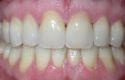
Healthy gums are pink or a coral pink color; tissue is firm and resilient; the shape of the gum follows the contour of the tooth; there are no areas of redness or swelling; there is no discomfort and there no bleeding when brushing or flossing.
Gums remain healthy with plaque removal via brushing twice a day, 1 drop of oil of oregano and flossing once a day, or flushing with a cup of water plus 2 teaspoons of eucalyptus oil, taking aloe vera, vitamin C, and drinking green tea.
Mouth Pests
Periodontal disease (gum disease) is a chronic bacterial infection of the gums and bone supporting the teeth. It is a major cause of tooth loss in adults. Because gum disease is often painless, you may not even know you have it. Gum disease is caused by plaque bacteria which form a sticky film on the tooth surface.
These plaque bacteria release toxins that can damage the gums. As the amount of plaque increases, the saliva in your mouth can begin to mineralize the plaque to form tartar. These hard deposits on the roots of the teeth promote more plaque formation and further damage to the gums.
Types of Gum disease
Gingivitis
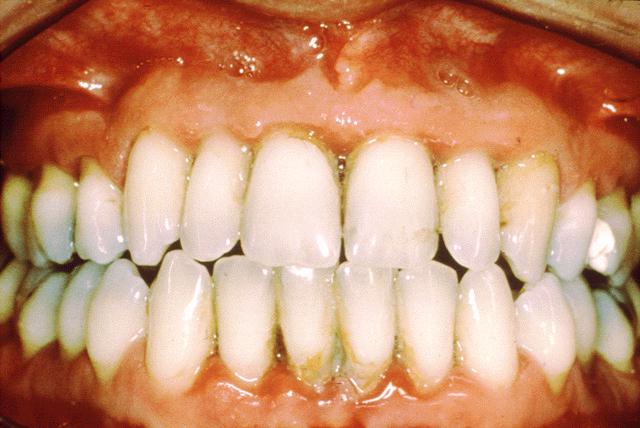
Gingivitis is when there is inflammation of the gum tissue. At this stage of gum disease there is no bone loss. Plaque and tartar irritate the gums and cause them to be swollen. The gums may also be sore, bleed easily and appear puffy and soft. The most common sign of gingivitis is blood on the toothbrush or floss. It is preventable and reversible with a good brushing and flossing technique. However, this gum disease can progress into periodontitis if oral hygiene is poor.
Periodontitis
Periodontitis occurs when there is destruction of the bone and the structures supporting the teeth. You can stop the progression with good oral hygiene and regular dental visits.
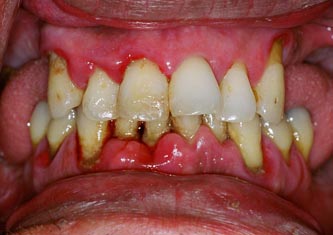
The following are 8 signs of periodontitis:
• bad breath
• itchy sensation
• gums that are red, swollen or tender
• gums that have pulled away from teeth
• any changes in the fit of your partial denture
• permanent teeth that are loose or separating
• gums that bleed when you brush or floss your teeth
• any changes in how your teeth fit together when you bite
• infection including pus between the teeth and the gums when the gums are pressed
Brushing
This is the most effective way to remove plaque and food debris from all sides of your teeth. It should be done twice a day for 2 minutes each time. It is important to select a soft or extra soft toothbrush to prevent wear on the gum or the teeth. Replace your brush when the bristles start to spread.
The most effective electric toothbrushes are either Oral-B or Sonicare. Oral-B has a small toothbrush head and you can purchase different heads to make it easier to clean your entire mouth with one brush. It uses an oscillating-rotating motion. Sonicare uses high frequency bristle motion to create a dynamic fluid action which helps remove plaque more effectively and disrupt the formation of plaque.
Flossing
Dental floss is the most effective way to remove plaque and food debris between the teeth. Waxed floss can be easier to use if your teeth have tight contacts. If you have wider contacts a tufted floss would be recommended. Flossing should be done daily.
End Tuft Brush
This type of brush can be used to clean the gum line or wider spaces between teeth. It can also be used to clean around braces implants, crowns and bridges. This tool looks like a miniature tooth brush. Simply trace the gum by using a light yet firm pressure.
Sulca Brush
This type of brush can be used to clean the gum line or wider spaces between teeth. It can also be used to clean around braces implants, crowns and bridges. The head of this tool is smaller than the End Tuft Brush and is double ended for easy access to all parts of the mouth. Simply trace the gum by using a light yet firm pressure.
Proxy Brush
The Proxy Brush is a single ended brush which helps remove plaque and debris from between the teeth, braces, implants crowns and bridges. This brush can look like a Christmas tree or look like a small bottle brush. Wet the brush and place between teeth at the gum.
Turn the brush in clockwise/counter clockwise motion several times between each tooth. Clean the brush under running water while you are using it to remove plaque and food. Once the brush looses it’s shape, replace the tip.
Tongue Scraper
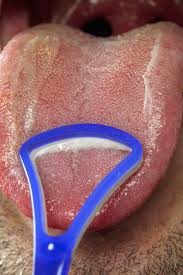
Tongue Scrapers are used to remove plaque from the tongue. This will help to have an overall clean mouth, reduce the amount of bacteria in the mouth and help reduce bad breath. They can be made from plastic or flexible metal. Simply place the tool as far back on the tongue as possible, press and use a firm but light stroke.
Mouth rinse
Rinse twice a day for 30 seconds. Alcohol-free mouth rinse is the best way to help reduce bacteria and debris. Mouth rinse does not replace brushing and flossing.
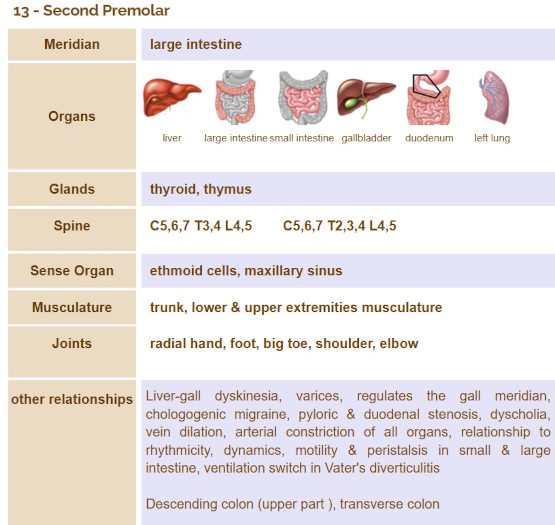
Tooth, Root, Nerve Decay and Infections
and their relationship to
other bodily infections and disturbances
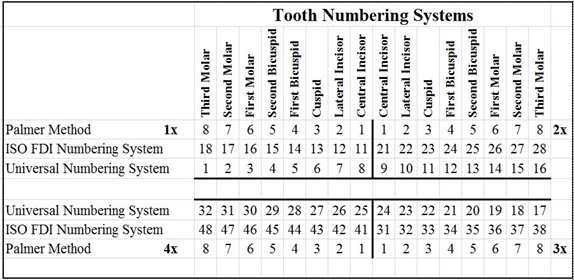
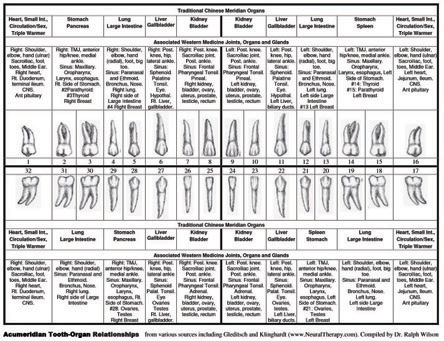
Click image for Pdf format
Click here for Meridian-Tooth Charts:
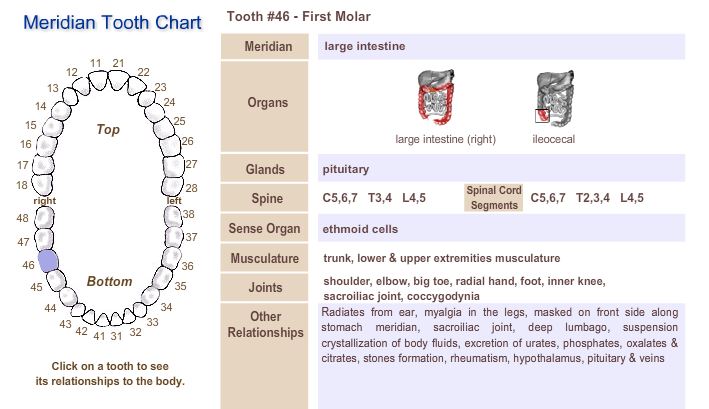
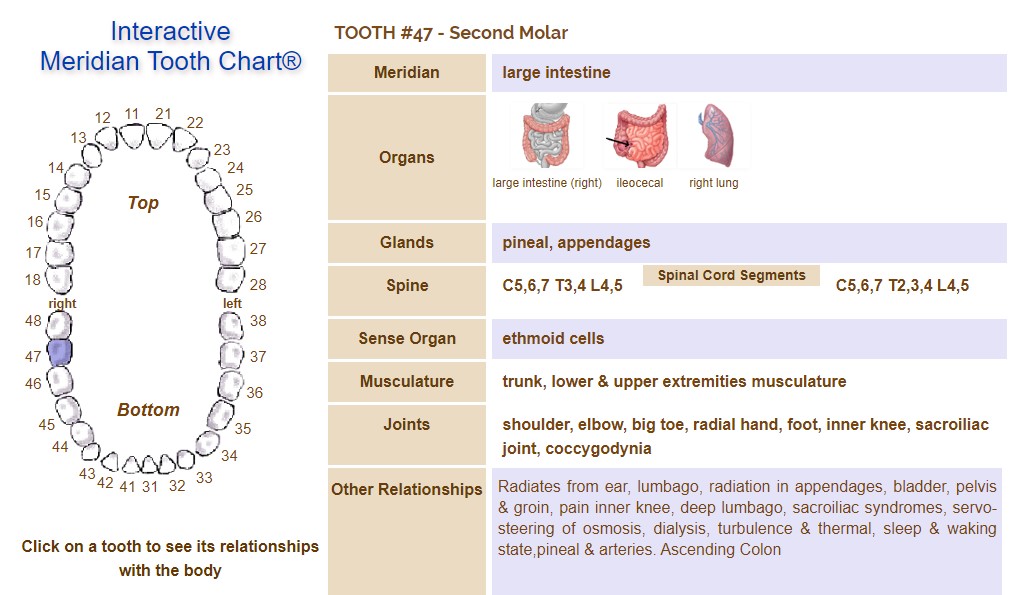
.jpg)
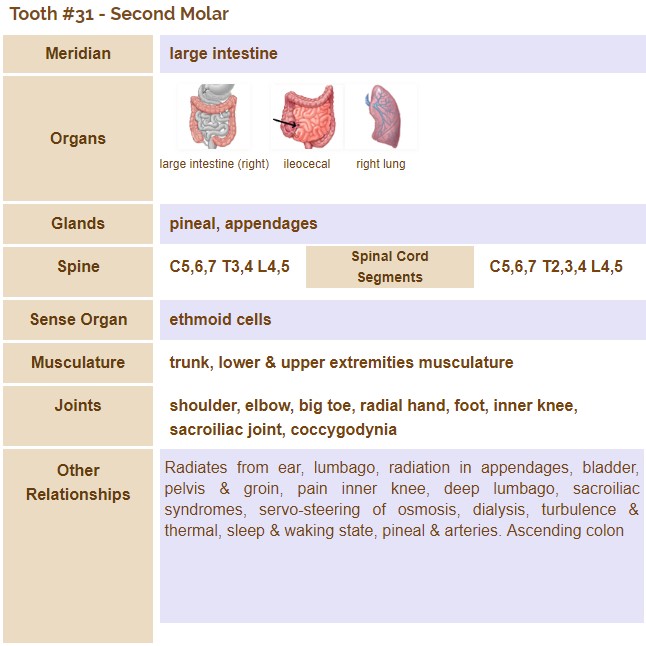
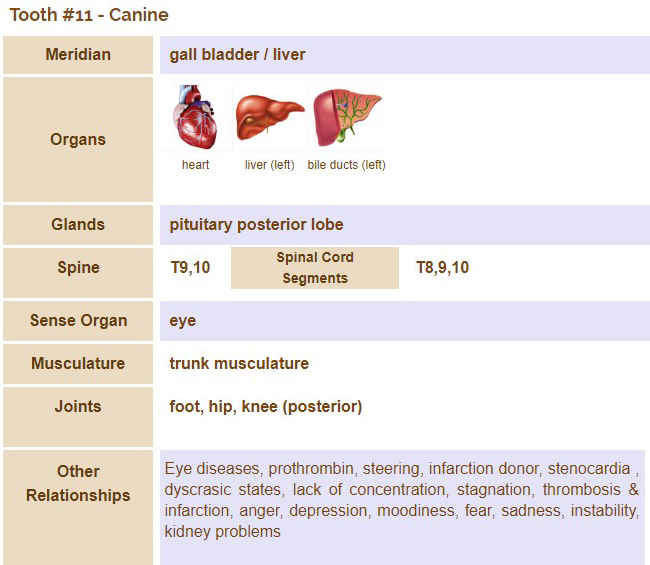
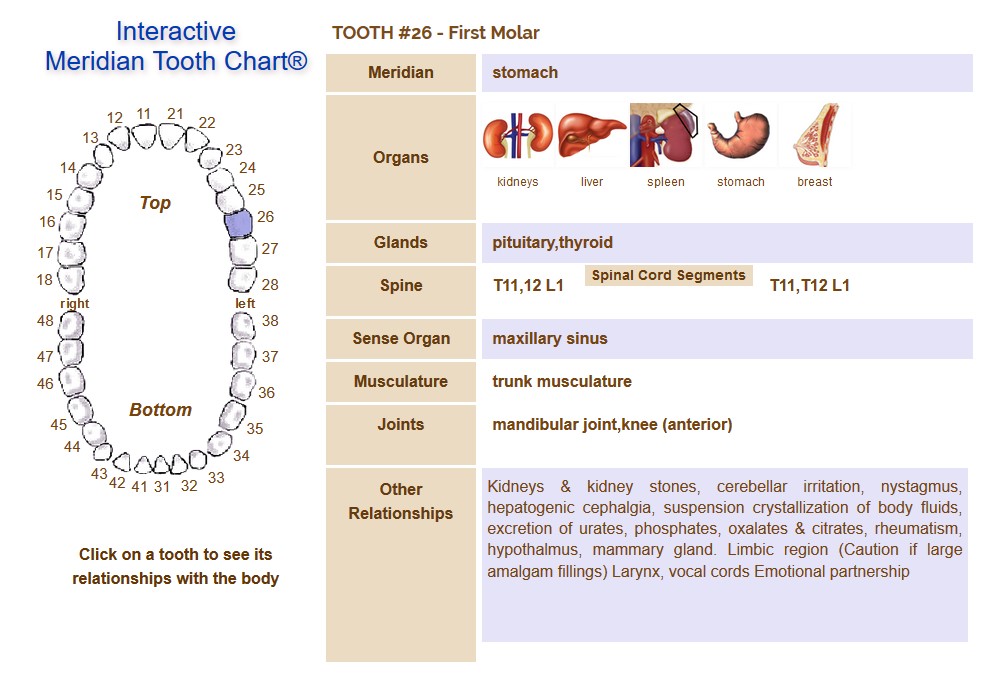
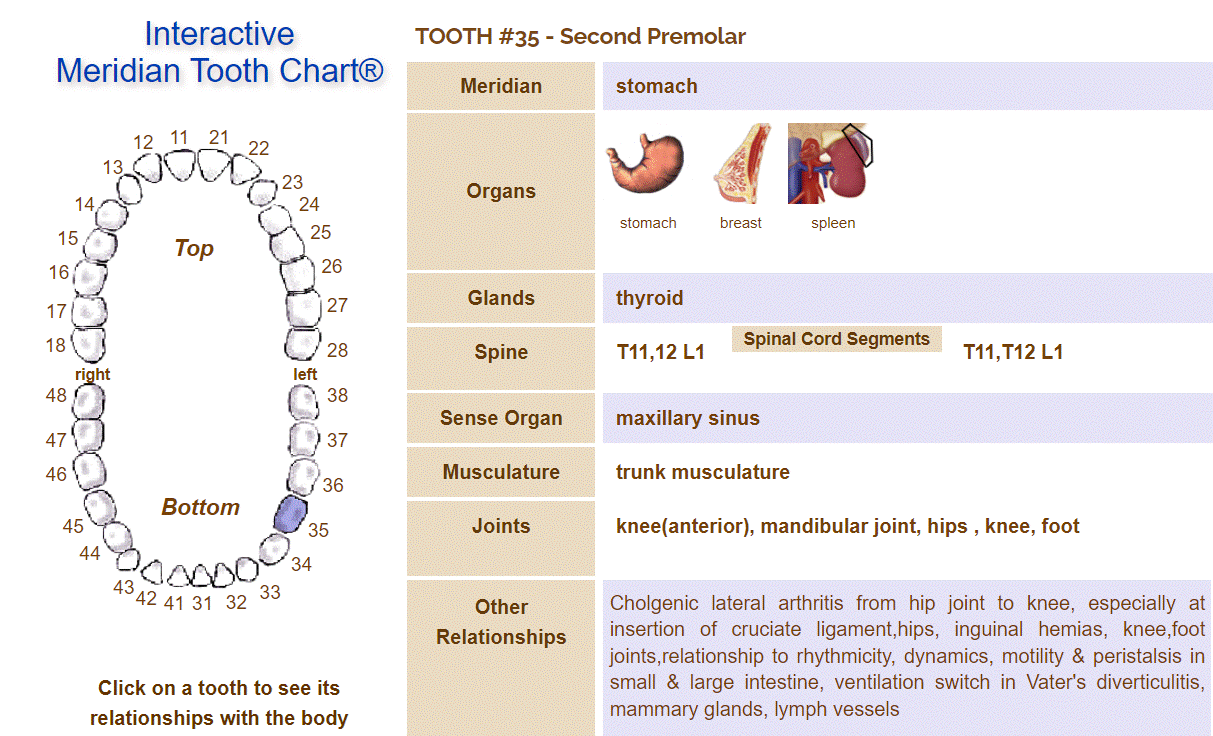
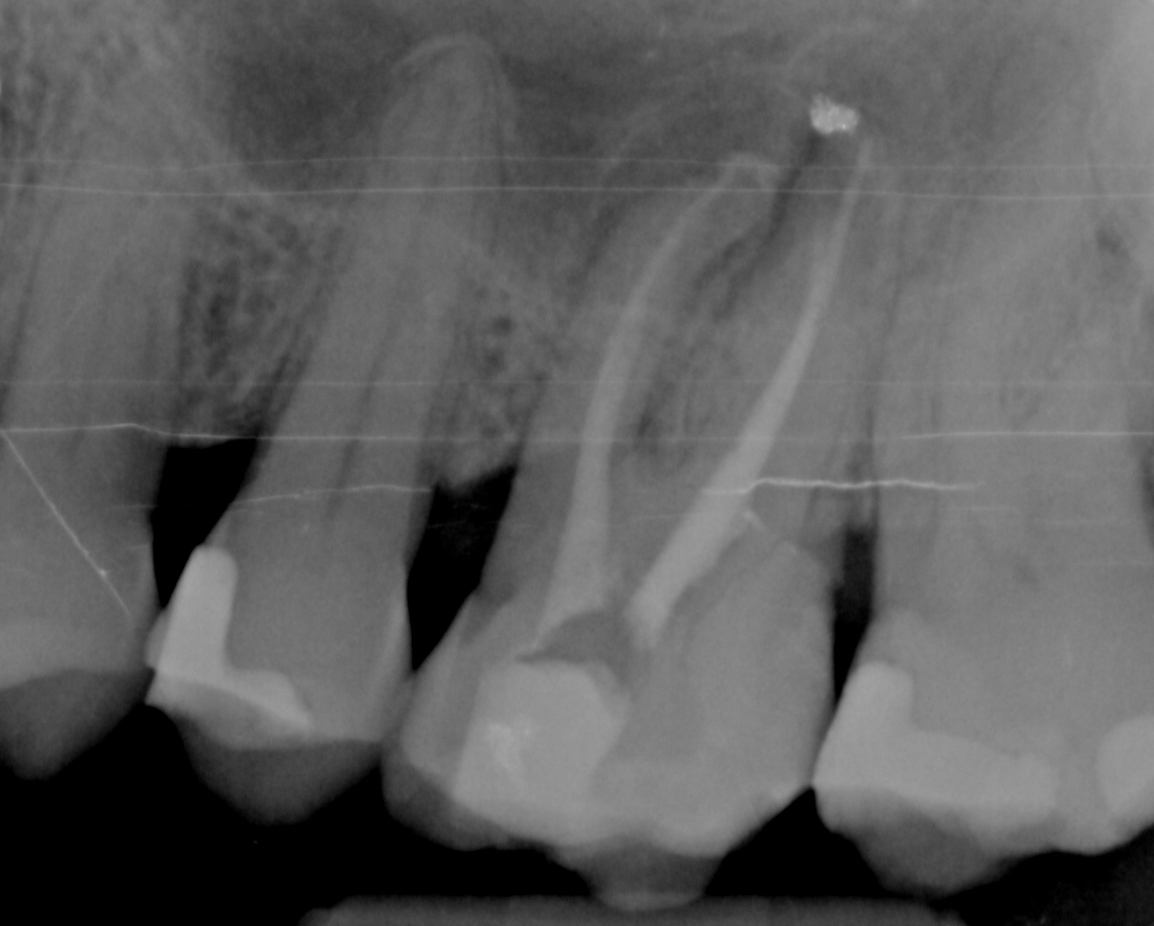
PC-infection removed, roots refilled