Arterial System

Our body’s circulatory system is vital for sustaining life. Its functioning is responsible for the delivery of oxygen and nutrients to all cells, as well as the removal of CO2 and waste products, the maintenance of an optimum of the pH, and the circulation of proteins and cells of the immune system.

The arterial system is the higher-pressure portion of the circulatory system. Arterial pressure varies between the peak pressure during heart contraction, called the systolic pressure, and the minimum, or diastolic pressure between contractions, when the heart expands and refills.

This pressure variation within the artery produces the pulse which is observable in any artery, and reflects heart activity. Arteries also aid the heart in pumping blood.

Arteries (from Greek á¼€ρτηρία (artÄ“ria), meaning “windpipe”) are blood vessels that carry oxygenated blood away from the heart to the tissues, except for pulmonary arteries, which carry blood to the lungs for oxygenation.

The other exception are the umbilical arteries. The veins carry oxygen-depleted blood to the heart.

The pulsating effect from the arteries muscular wall acts as a pump to push blood in the veins up the body against gravity. The heat from the arteries is transferred to the blood in the veins, thus making it easier for the body to maintain heat.


read more …

Similar Posts

  • Neurotransmitters

    Neurotransmitters are chemical molecules that “ferry” vortex impulses across the synapse from one neuron to the next. Each neurotransmitter type has a unique form of molecule that acts like a “key into a lock“. If its shape fits in the next neuron, it will produce an effect on that neuron. There are two types of…

  • Cell replacement

    Zygote A zygote is the 1st cell in an organism’s development, often a exchange between an ovum and a sperm cell, forming a single diploid cell, containing DNA from both. Prior to cell division, a process called mitosis takes place, in which cells create 2 copies of their DNA. One is called RNA. Cell growth,…

  • NT-Demons

    WHY is the act of casting out of demons or spirits mentioned 44 times in the NT ? Would 4 times not be enough to make the point ? We define Demons as unhealthy Disembodied Beings, Spirits or Entities. The following verses from the New Testament Bible mention “demons”: Matthew 4:24 So his fame spread…

  • Inspection Tours

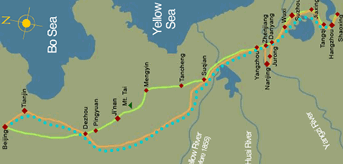
    Imperial Inspection Tours and Military Campaigns Other emperors did a single inspection tour of the empire or made the epic journey to Mount Tai to worship Heaven, but the Qing emperors were the first and only ones to undertake multiple tours of inspection to all corners of their empire. These personal inspection tours were part…

  • EMOTIONS AS BRAIN IMAGES?

    Emotions: brain images of bodily states? Neuroscience states that light reflected from objects activates our retinal receptors in patterns. These patterns are processed as 3D visual images of those objects. Patterns in the external world correspond with patterns of nerve cell activity in the brain. We experience these patterns as thoughts and images. Our senses…

  • Hagia Sophia

    “Little Hagia Sophia” The Church of Saints Sergius and Bacchus built in Constantinople (modern Istanbul) during the reign of Justinian (527-565). Now known as Küçük Ayasofya Camii (“Little Hagia Sophia Mosque”), it was converted into a mosque in the 16thC. The Great Hagia Sophia: Historical Overview Early Beginnings: The First Church The Hagia Sophia, (Gr:…