Pyramid construction
Pyramid construction in Egypt and beyond?
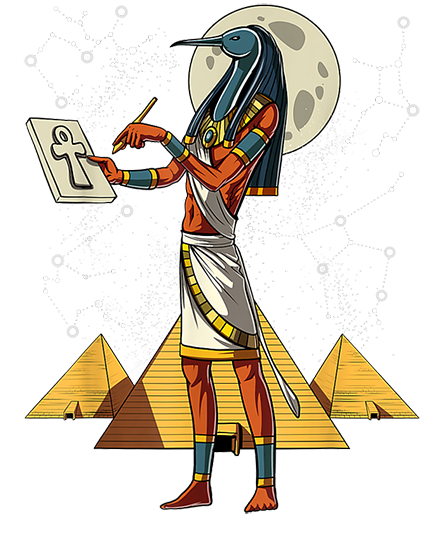
“Thrice Great”
Thoth, later Hermes Trismegistus
Around 36.000 BC, Toth erected the Great Pyramid over the entrance to the Great Halls of Amenti, placed in it his records, and appointed guards from among the highest of his people.
In later times, the descendants of these guards became the pyramid priests, by which Thoth was deified as the God of Wisdom, the Recorder.
His passing was followed by the age of darkness. The halls of Amenti became the underworld, the Halls of the Gods, where the soul passed after death for judgment.
In later ages, Thoth incarnated into the bodies of men, as described in the emerald tablets. As such, he incarnated 3 times, in the last known as Hermes, the thrice-born.
In this incarnation, he left the writings, known to modern occultists as the Emerald Tablets, a later and far lesser exposition of the ancient mysteries.
Giza Plateau,
a strong sacred subtle energy spot
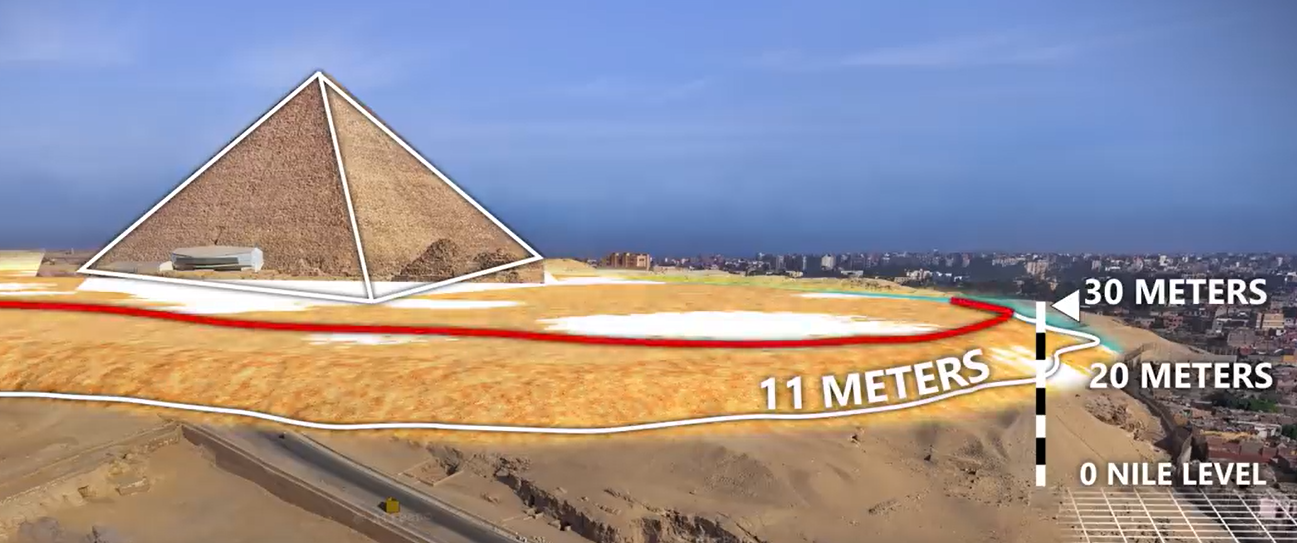
Soft brown clay-limestone
in layers of total 11 meters high
Available volume determined
the total size of the 3 pyramids
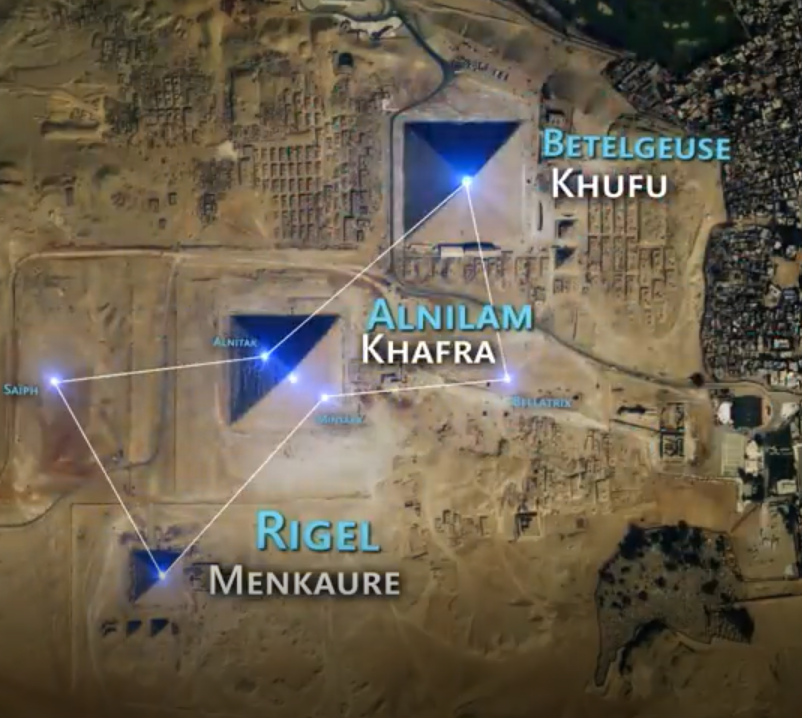
The 3 pyramids are aligned with
3 Orion stars, thus
receiving their invisible spiritual light
as energy + information.
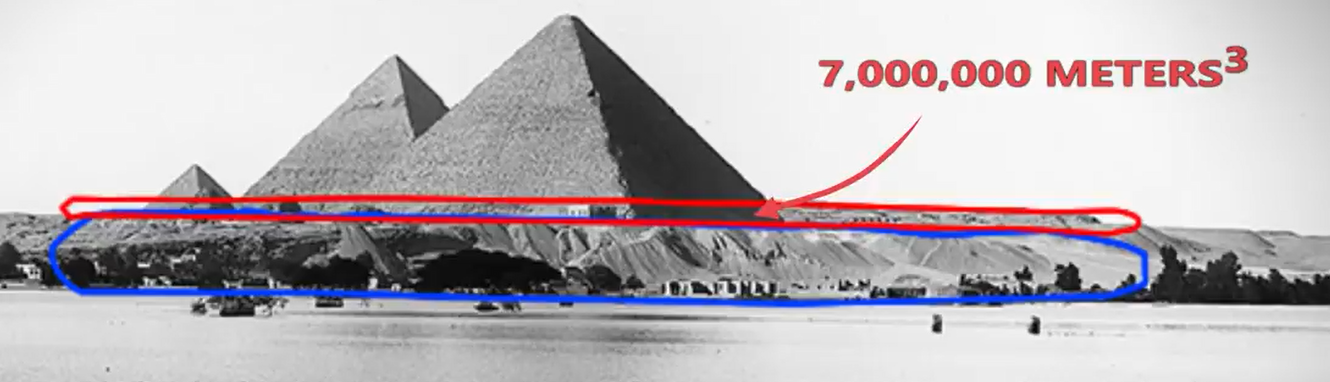
2.5 Mio m³ of brown and
150K m³ of white limestone was used
for making 2.3 million concrete blocks
for the Great Pyramid,
plus 1100 m³ of granite,
weighing a total of 60 Million tons.
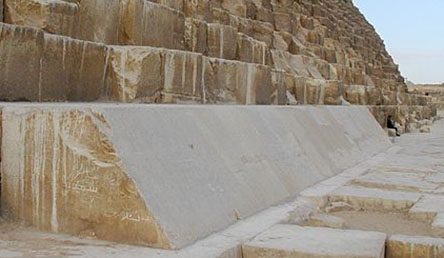
Every other block was molded.
Later the holes were filled in.
The Pyramid’s exterior cover was
white limestone concrete blocks.
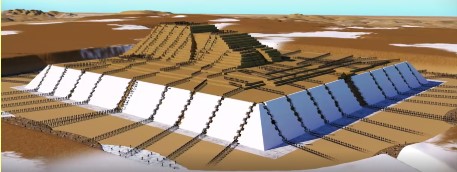
300.000 Ton of sodium carbonate,
and 500,000 Ton of Quicklime
was used for the Great Pyramid.
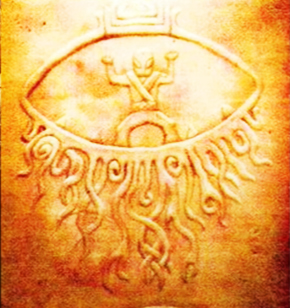
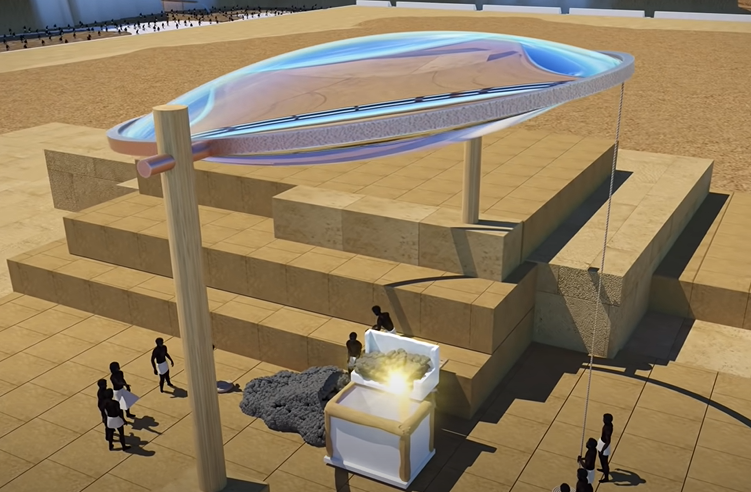
Solar lens in stone carving in 2600 BC.
Natron, lime, water, and white sand
was heated to 1000°C.
This sodium silicate was mixed
with potassium silicate.
This mix was poured into a lens mold.
Let it cool off.
Is now a sun magnifying glass.
A 500 cm lens Ø has a projection spot
temperature of about 1800°C,
and is thus capable of
melting granite and basalt.
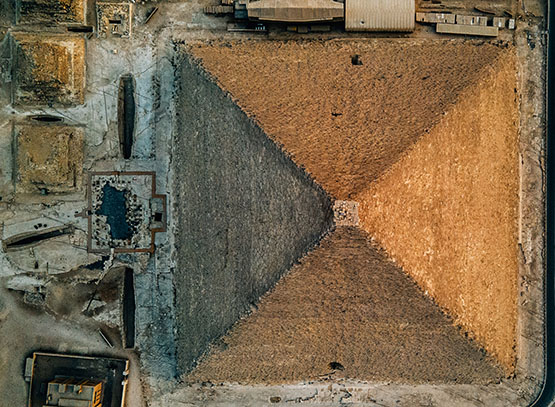
3 large + 2 smal inground solar lens pits next to Great Pyramid
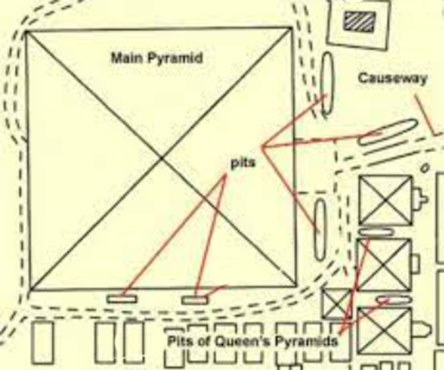
2 more pits next to the “Queen’s” Pyramids
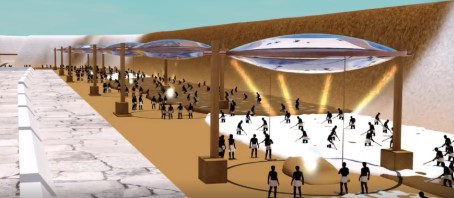
Heat limestone pulp CaCO3 to 1400°C
with solar lenses.
After cooling and mixed with water,
it becomes cement.
If the limestone is heated in a kiln,
it will burn the lime.
Water + Kaolin (Al+Si) + Na2CO3,
creates
a super-strong geopolymer concrete:
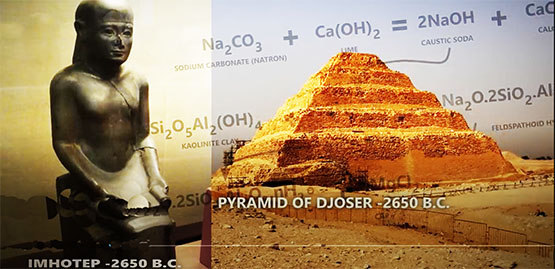
First concrete pyramid,
using different formulas
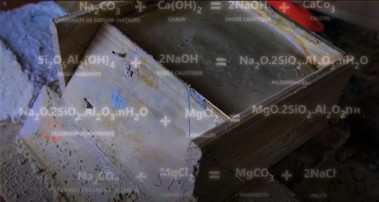
Modern chemical formulas
of ancient Egyptian concrete
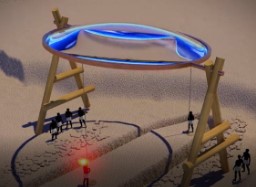
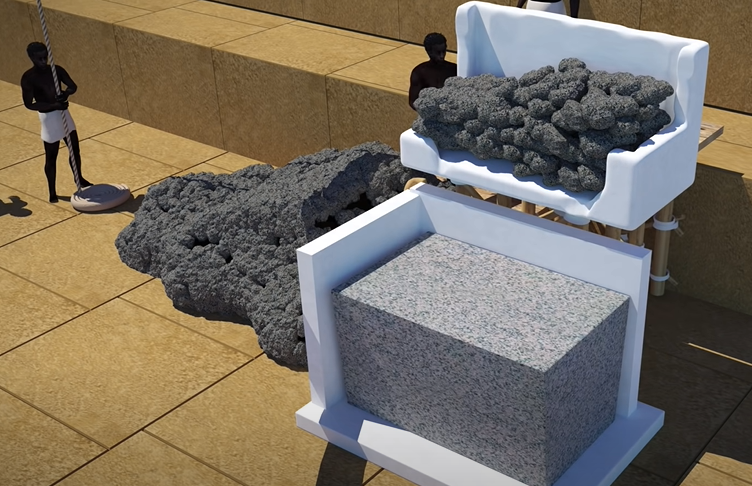
Granite & basalt is melted, then cooled
in small blocks in the Aswan quarry.
Then they are transported 900 km to
the specific location, and melted again.
Then poured into precisely sized
large molds.
The result is
very large and very smooth blocks.
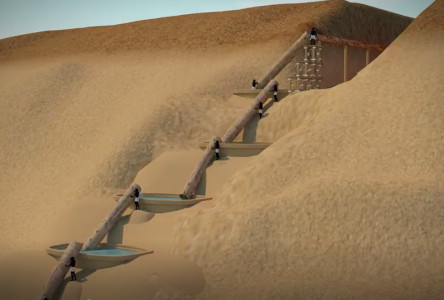
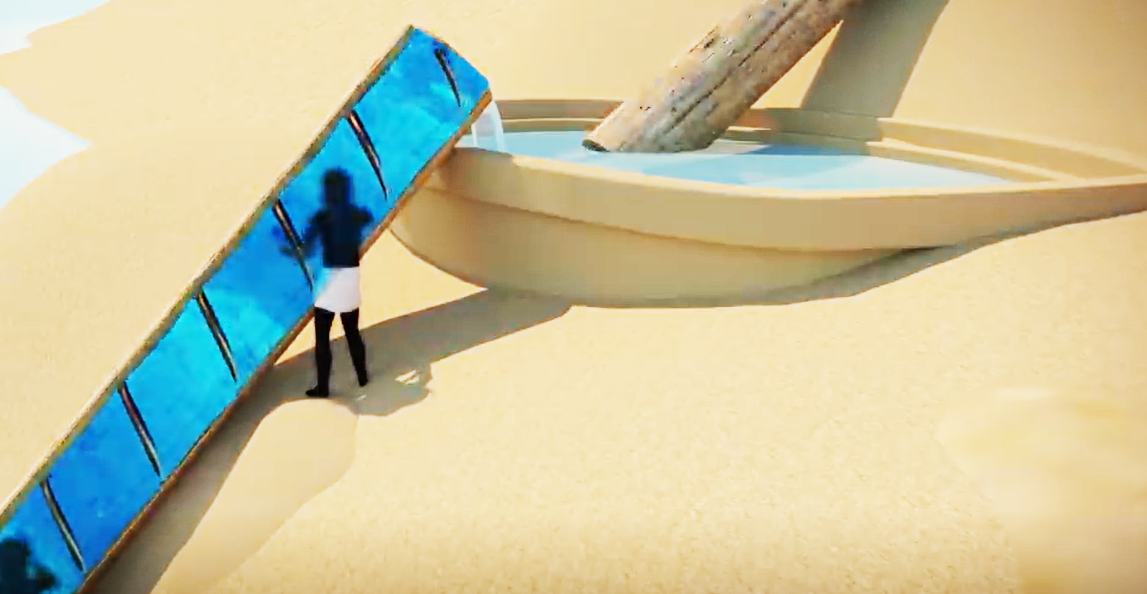
Water transportation uphill
via hand-turned screw-pumps
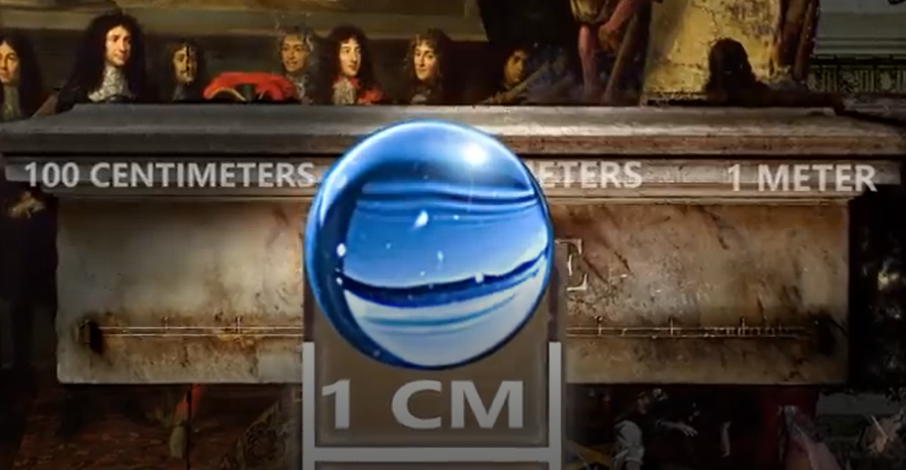
One drop of clean water as
the standard measuring unit,
called the Royal Finger in Egypt,
which is our “centimeter”.
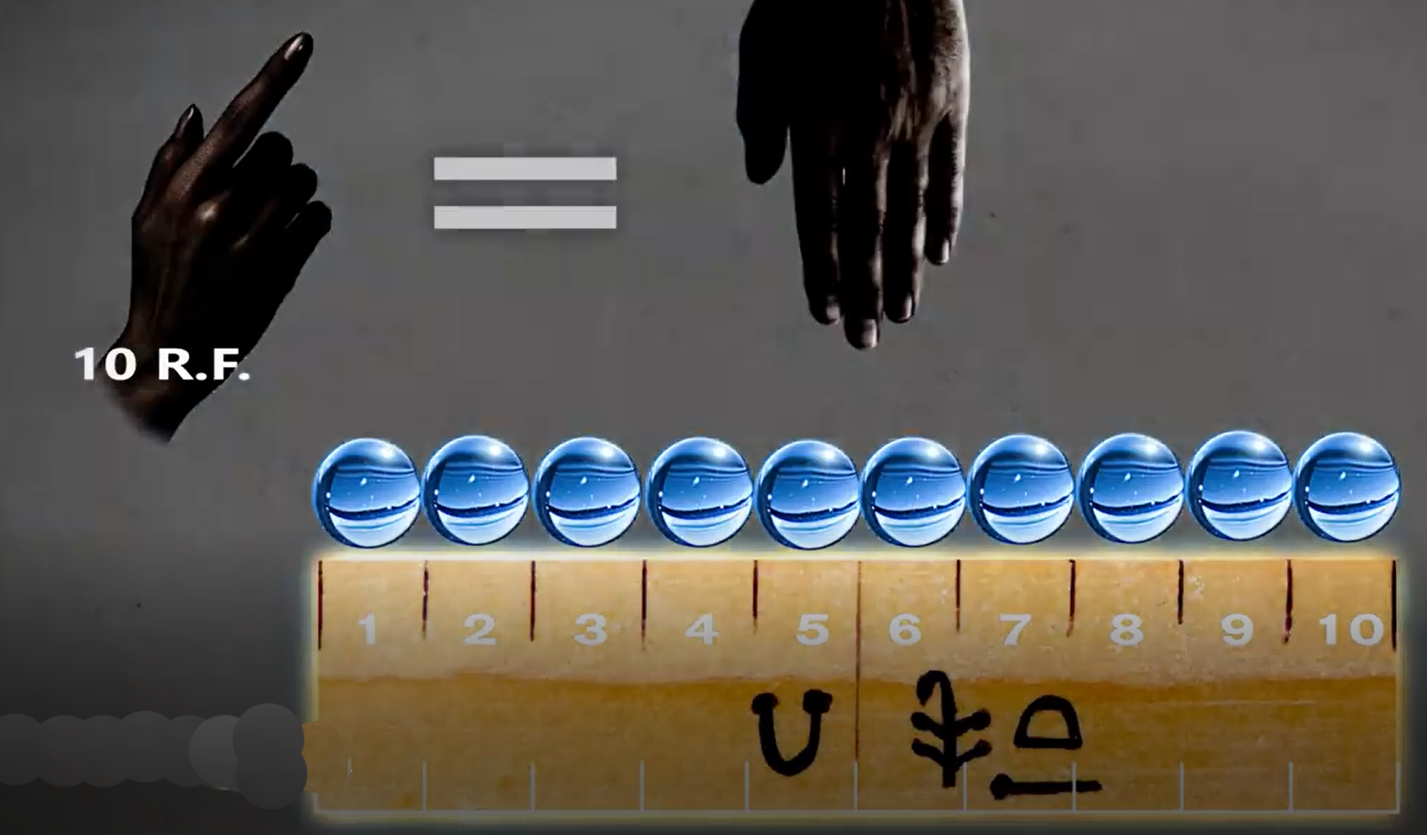
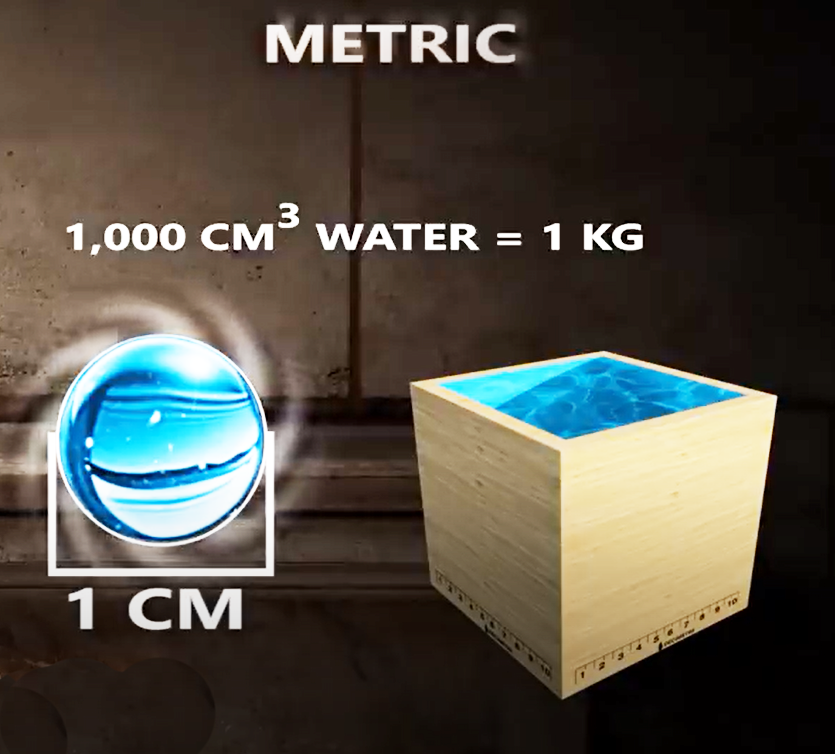
Water as a weight standard:
In Egypt 2 standards were used:
meter and royal cubit:
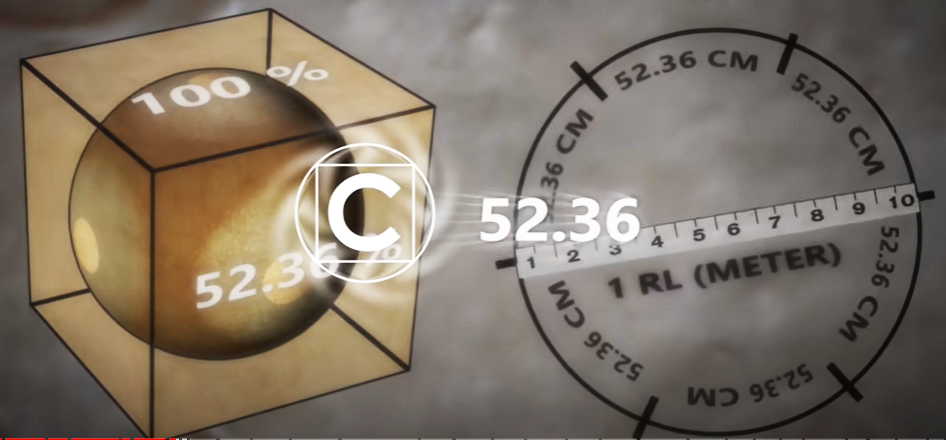
Volume of a sphere is 4/3 ∏ r³.
Volume of cube is (√3 × d3)/9
whereby (d is diagonal) or (side) S³
S = 2r
Volume cube x X% = (2r)³ x X% =
100 x (4 x ∏ x r³) / 3
r³X% = 100 x (4 x ∏ x r³) / 24 = 100∏r³/6
X in percent = 100∏/6 = 52.36% =
Egyptian Royal cubit
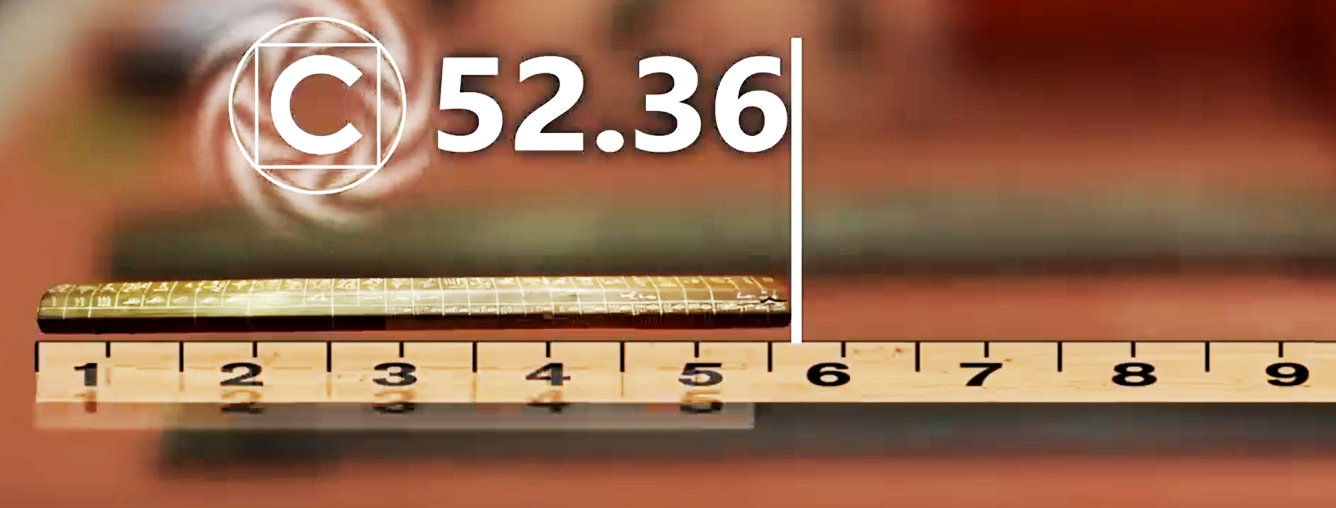
8 : ∏ = 2.54 = one inch
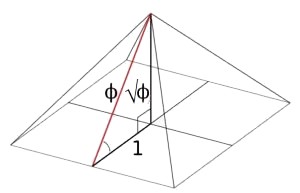
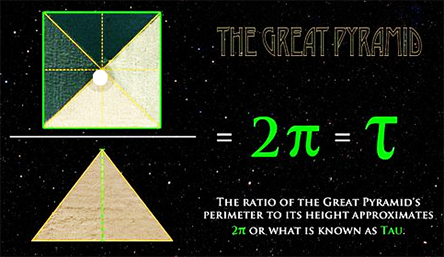
The base length could be 365,265 cubits,
which equals exactly
the number of days in a solar year.
Others say the base is 440 cubits,
thus the height is 280 cubits.
The circumference of a circle is 2∏r.
The side of a square with
the same circumference is:
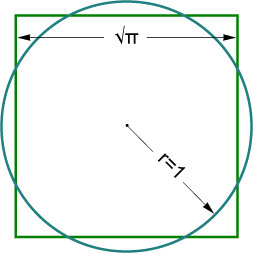
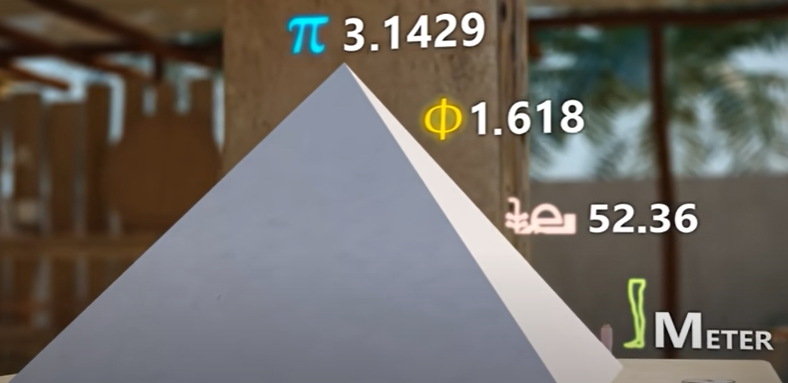
8-sided (concave apothem)
Great Pyramid of Giza:
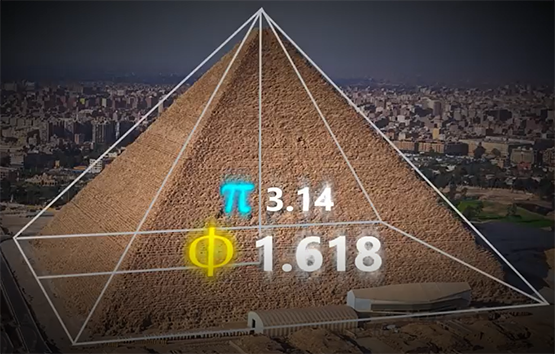
The pyramid is perfectly aligned with
the true North, and
located at the center of
the world’s land mass,
and on a perfectly level base,
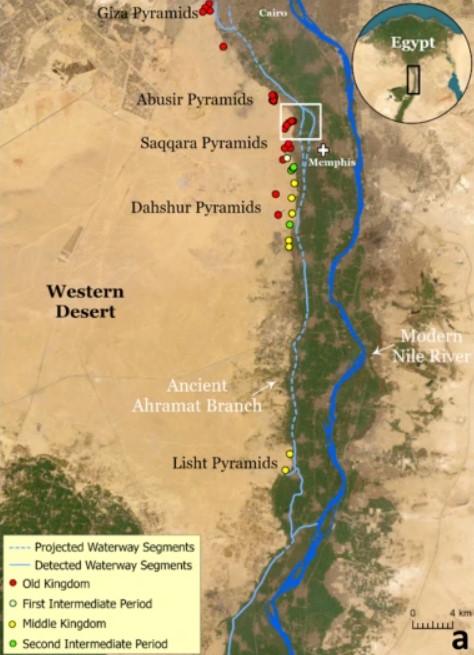
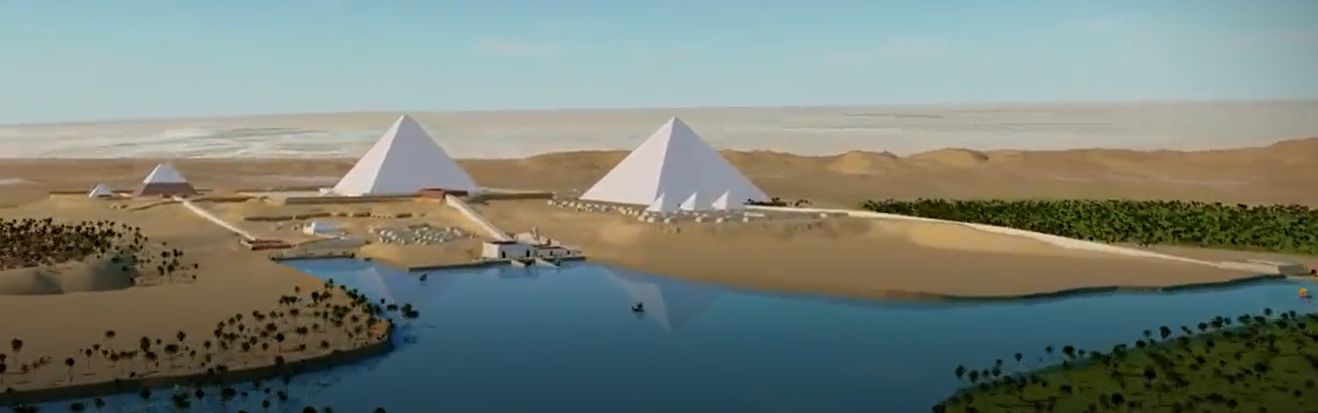
close to a flooded Nile branch
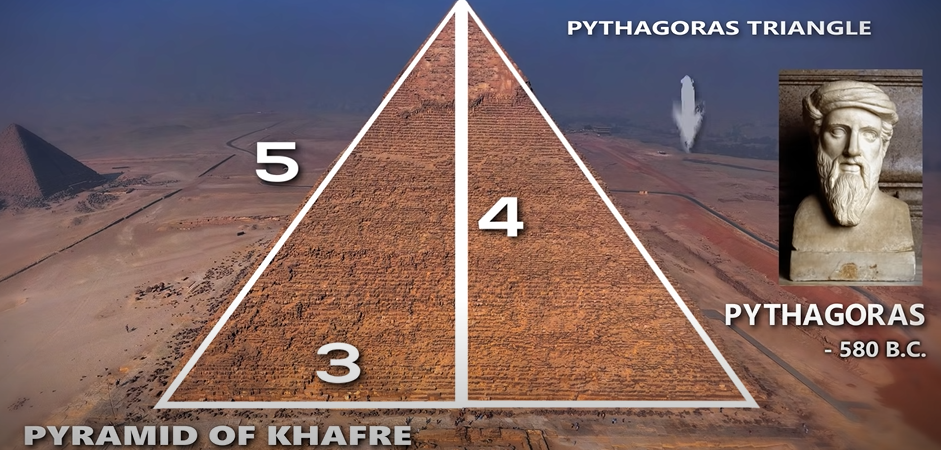
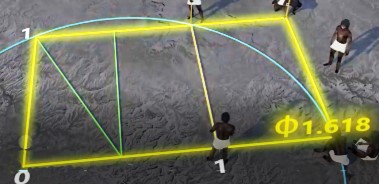
The angle of
the diagonal of double squares is 26.2°
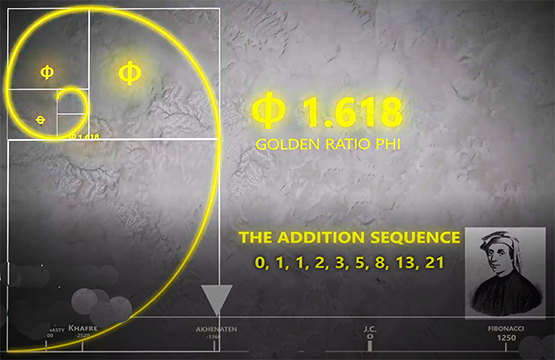
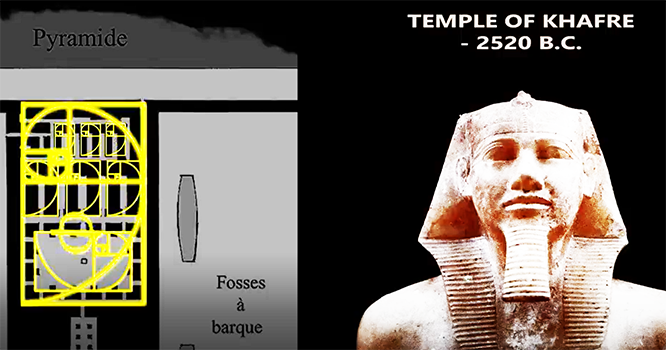
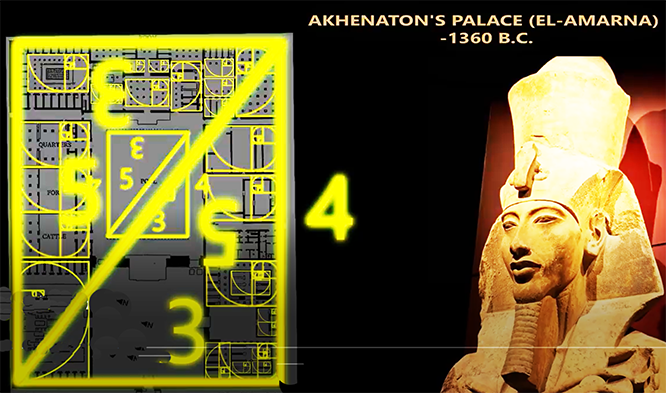
GM-Rectangles & Spiral,
plus 3-4-5 Triangles
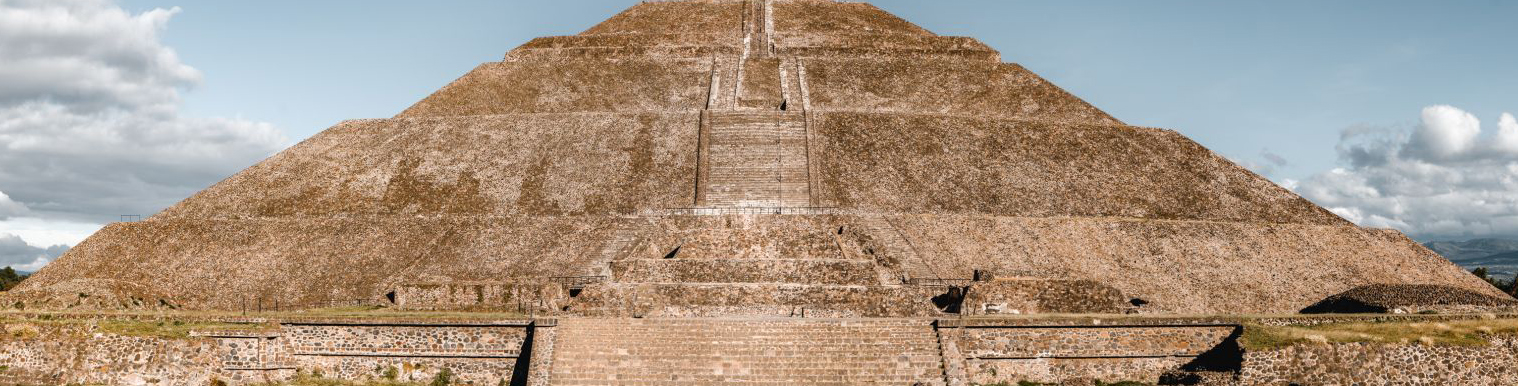
230 tall pyramids were built in Egypt.