Degenerative Aging?
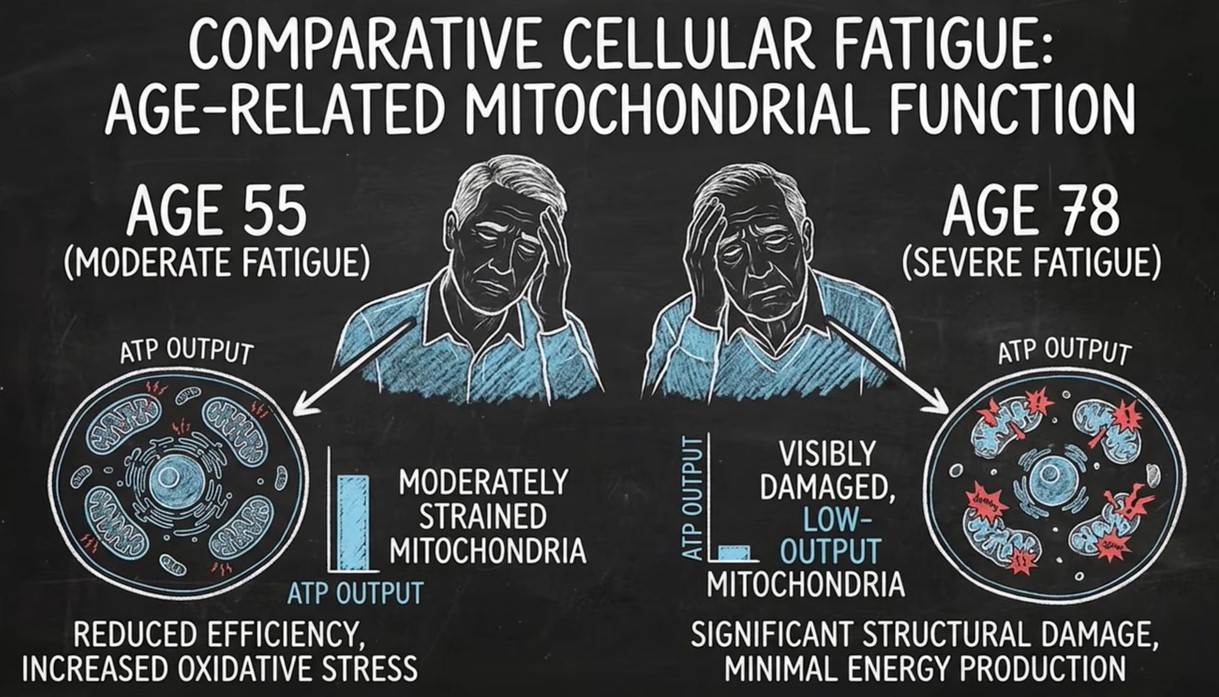
The error catastrophe theory of aging states that aging is the result of the accumulation of errors in the mitochondria in cellular molecules that are essential for cellular function and reproduction that eventually reaches a catastrophic level that is incompatible with cellular survival.
The key theme of molecular biology is the transfer of genetic information from deoxyribonucleic acid (DNA) to proteins. DNA carries all of the cells genetic info and instructions for carrying out the functions of the cell. Proteins serve a variety of functions. Some proteins serve in metabolic or structural processes, while others serve to catalyze cellular reactions.
9 categories of biological process that lead to degenerative aging and age-related diseases have been known for almost twenty years. Many of the basic tools required for potential therapies have already been demonstrated in limited trials.
These 9 categories are:
- Cell loss & Tissue atrophy in the heart, brain, etc., macular degeneration (ARMD), loss of hearing/balance.
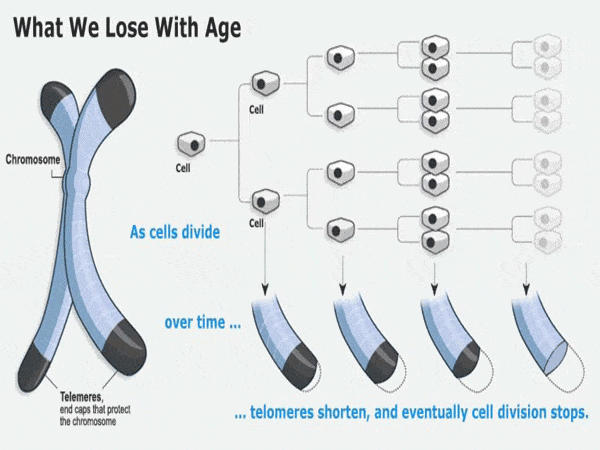
- Telomere shortening. Telomeres are protective caps at the ends of linear chromosomes, much like the plastic tips on shoelaces. Their main job is to protect vital genetic data during cell division, prevent chromosomes from sticking together, and stop the cell’s repair system from mistaking DNA ends for broken strands. Telos (τáλος) is “end” and merοs is “part”.
- Mitochondrial DNA mutants impairing critical functions,
- Long lived proteins (arteries. skin) are susceptible to chemical reactions that degrade their effectiveness,
- Accumulation of unwanted cells in joints and tissue of body extremities (uric acid crystal forming, etc.)
- Extracellular junk accumulation known as amyloids.
- Intracellular junk accumulation inside long-life span cells causes damage and impairs proper functioning,
- The level of DNA repair activity declines with age, thus increasing the permanent mutations in each cell.
- Changes in gene activation & deactivation in brain cells.
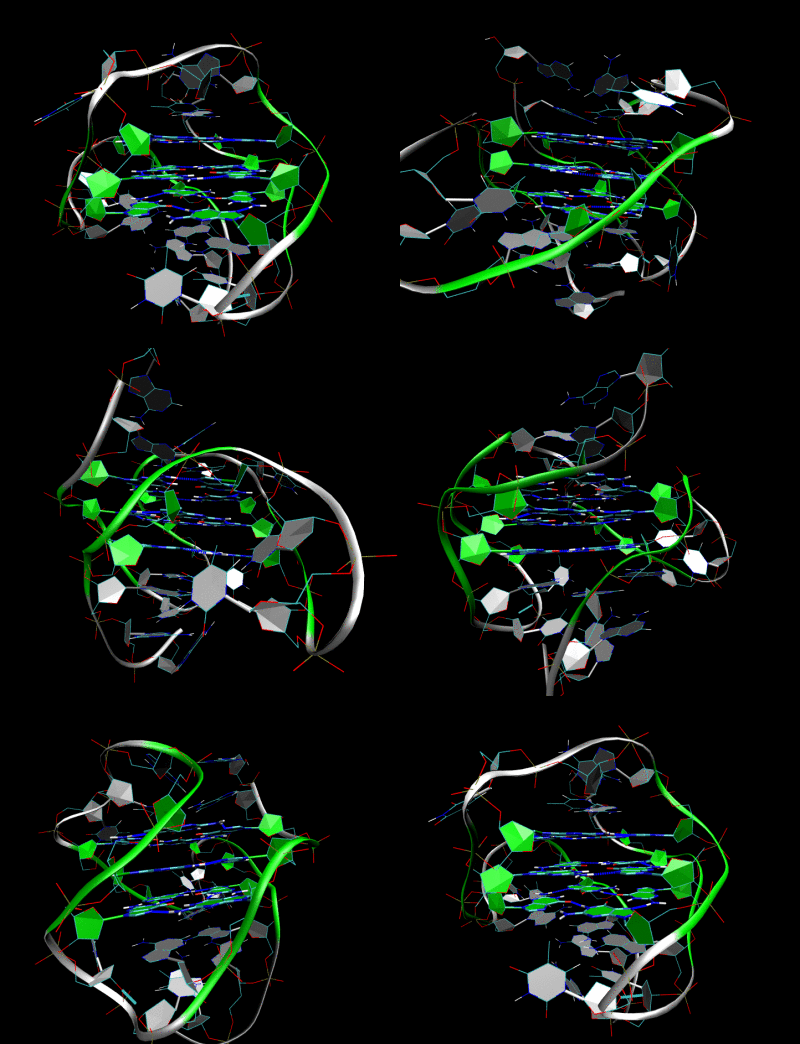 Telomere
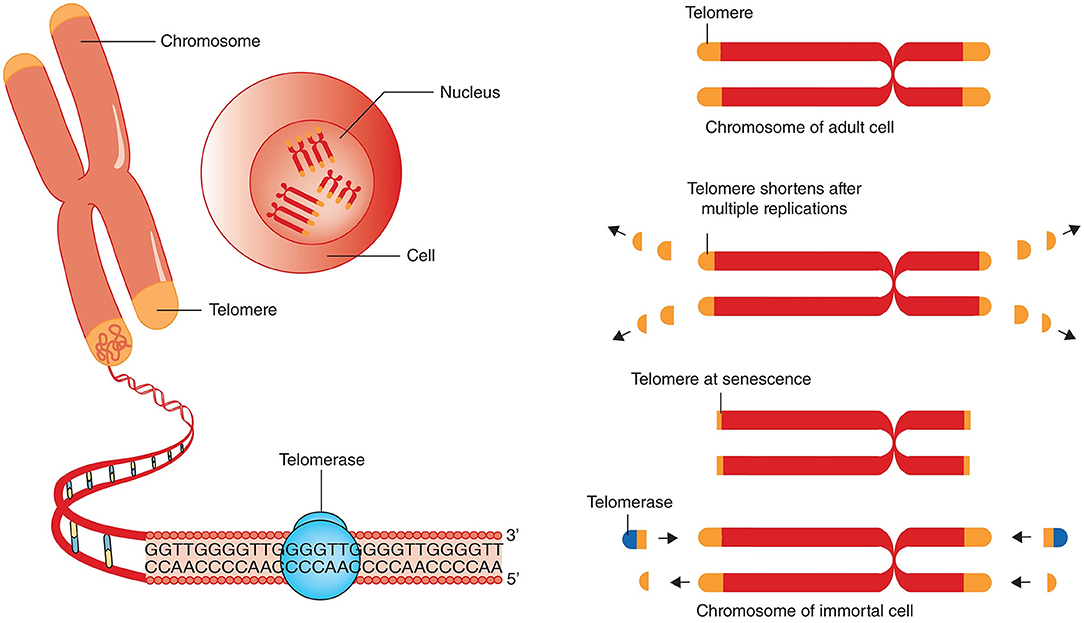
More and more diseases emerge as bits of DNA known as telomeres are shortened whenever mitosis occurs, making cells more likely to become distorted,cancerous, or die.
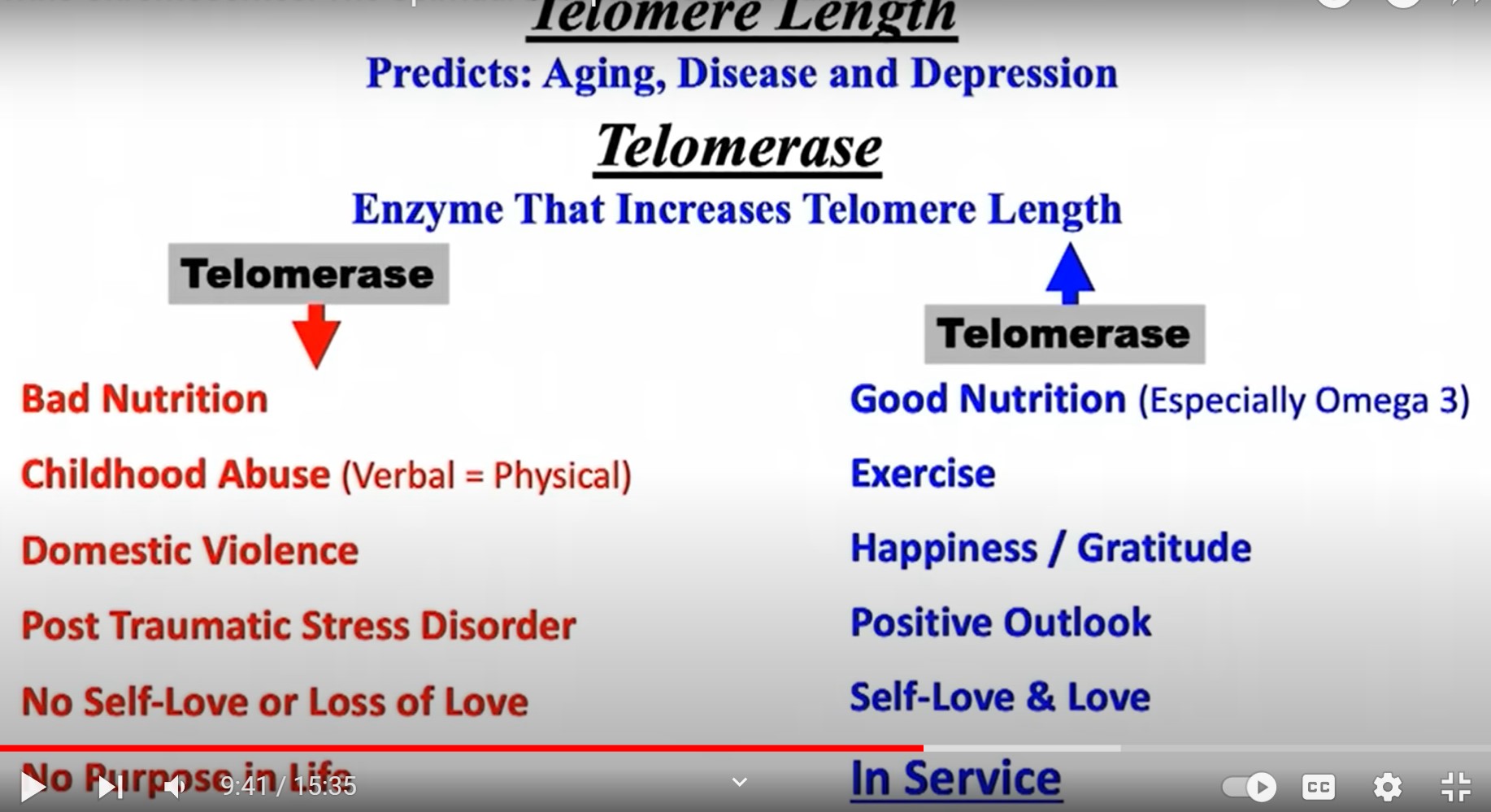
Some cells defy death by using a naturally occurring enzyme called telomerase to extend the telomere’s DNA-sequence.
In humans, androstenedione is a steroid produced by the testes, adrenal cortex, and ovaries. They are converted metabolically to testosterone and other androgens, and converted into estrogens, that will bind to female hormone receptors in the telomerase gene promoter region, so as to keep cells alive and potentially extend human life:
Genetic defects in telomere maintenance & repair cause bone marrow failure, liver cirrhosis, pulmonary fibrosis, and cancer. Also danazol, a synthetic male hormone, leads to telomere elongation and thus cell life extension.
USA researchers treated cells with ribonucleic acid and managed to extend its telomeres. It transformed the cells, which are now able to divide and multiply.
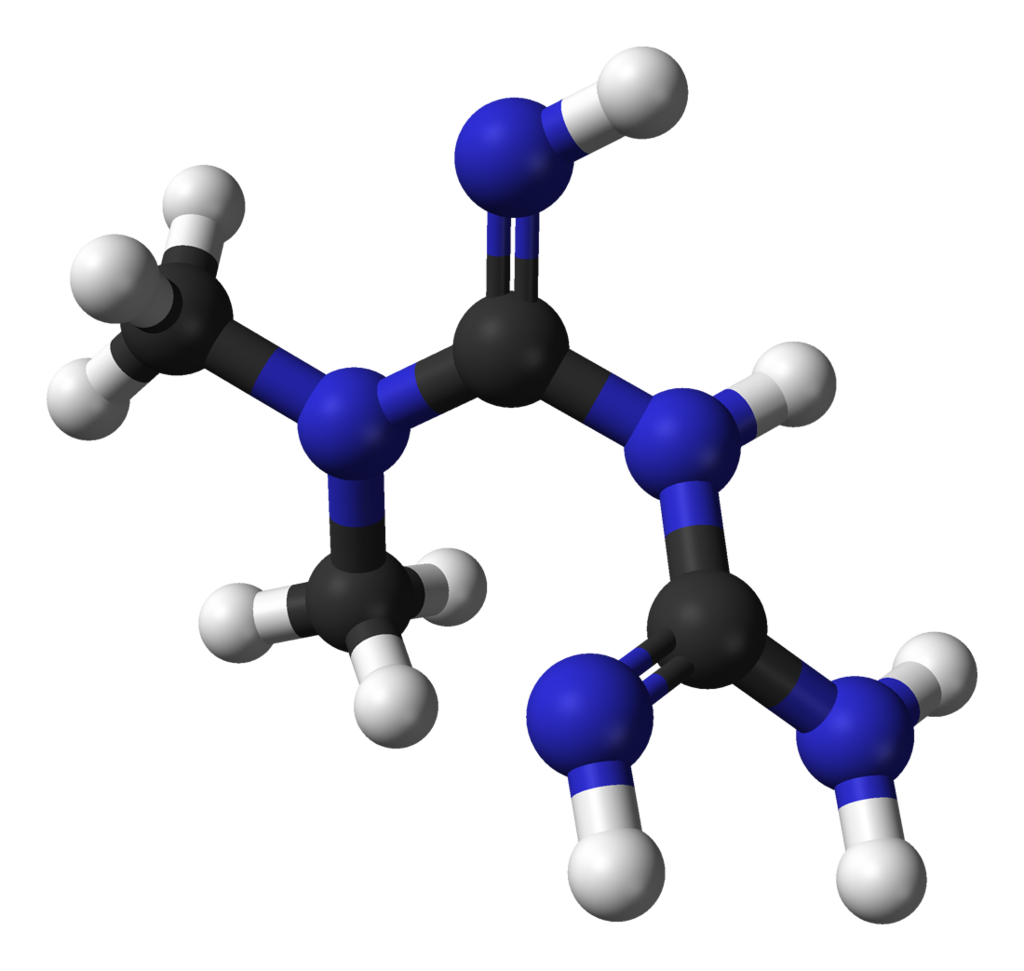
The drug Metformin (C4H11N5), decreases blood sugar levels, and increases the O2 molecules released into a cell. This may lead to a longer telomere and thus a longer life, if the side effects (headaches, abdominal cramps, flatulence, nausea, diarrhea, vomiting, lactate accumulation, deficiency of vitamin B12, or trauma remnants, etc.) will not shorten it.
Curing any age-related condition is great for sufferers, but it will not increase the life span for anyone else. The WHO reported an increase of the average life span between 1990 and 2013, from 65 to 71 years. Homotoxicology helps detoxing the body.
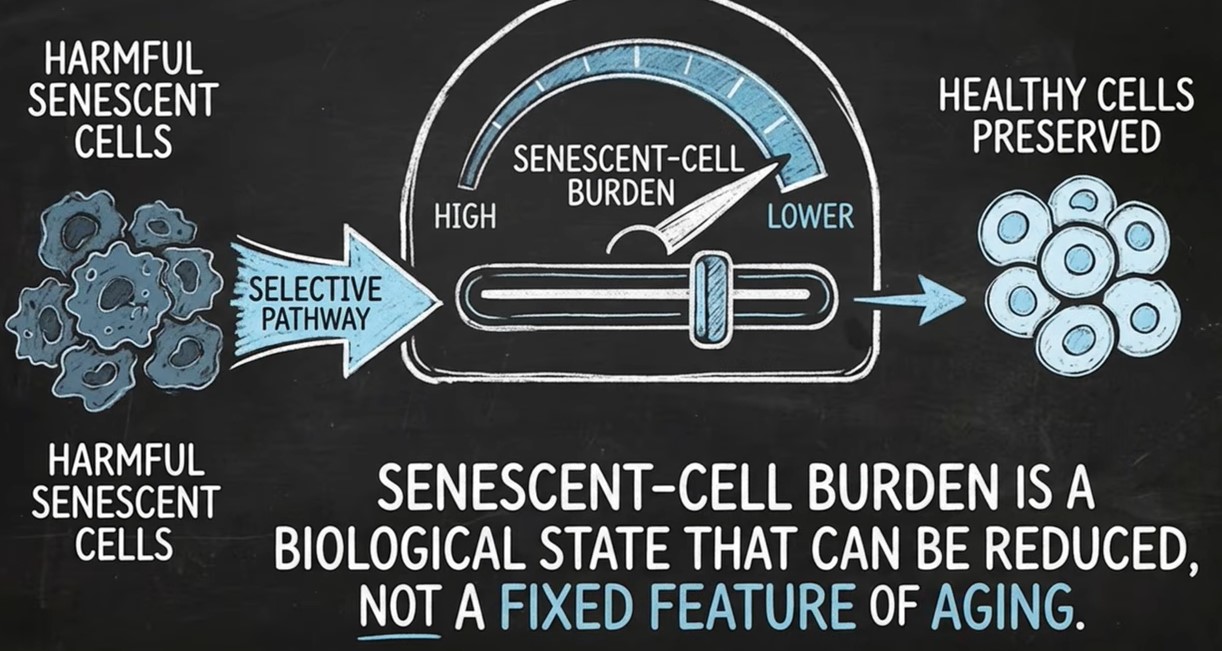
Senescent cells stop dividing, grow larger and in number, constantly emit worthless noise signals, causing inflammation in joints, etc, less effective functioning of the organs, and therefore degeneration. Removing the FOXO4 proteins causes P53 proteins to kill these malfunctioning cells.
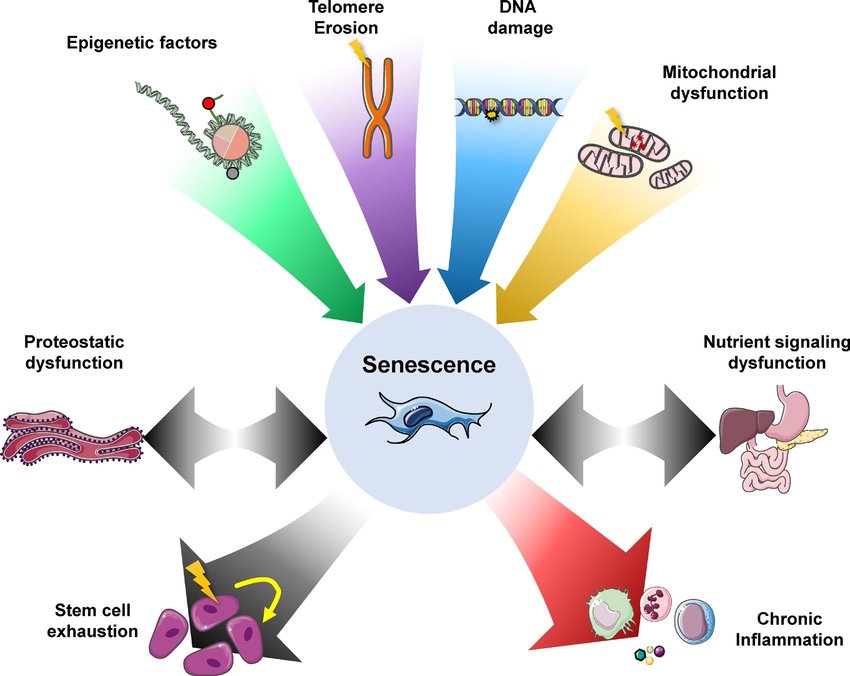
Senescence-associated secretory phenotype (SASP) secretion is the process by which damaged or aging cells release a complex mix of inflammatory proteins, growth factors, and enzymes into their surroundings. Unlike cells that die through programmed cell death, senescent (aging) cells stay metabolically active. They continuously pump out these signaling molecules to change their local tissue environment.
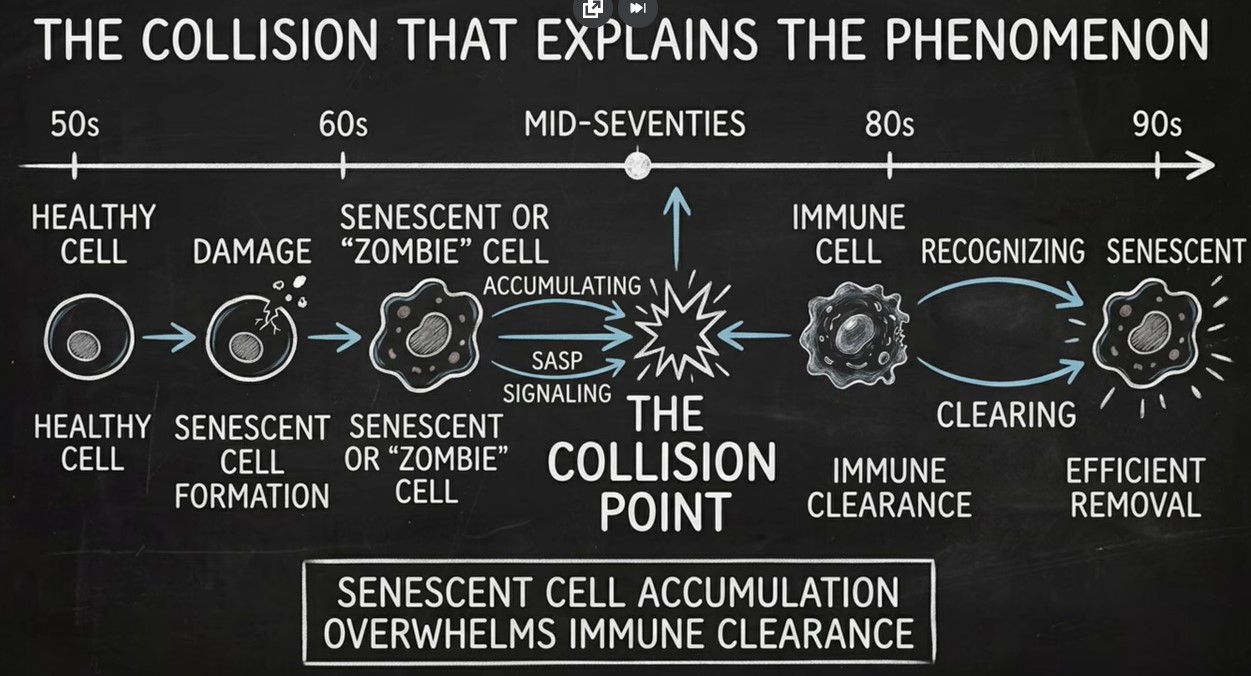
Key Components of SASP Secretion:
- Inflammatory cytokines: Proteins like Interleukin-6 (IL-6) and Interleukin-8 (IL-8) signal the immune system and cause local inflammation.
- Chemokines: Molecules that attract immune cells to the site of damaged tissue.
- Growth factors: Factors like VEGF (Vascular Endothelial Growth Factor) that alter blood vessel growth.
- Proteases: Enzymes like matrix metalloproteinases (MMPs) that break down structural proteins in the extracellular matrix.
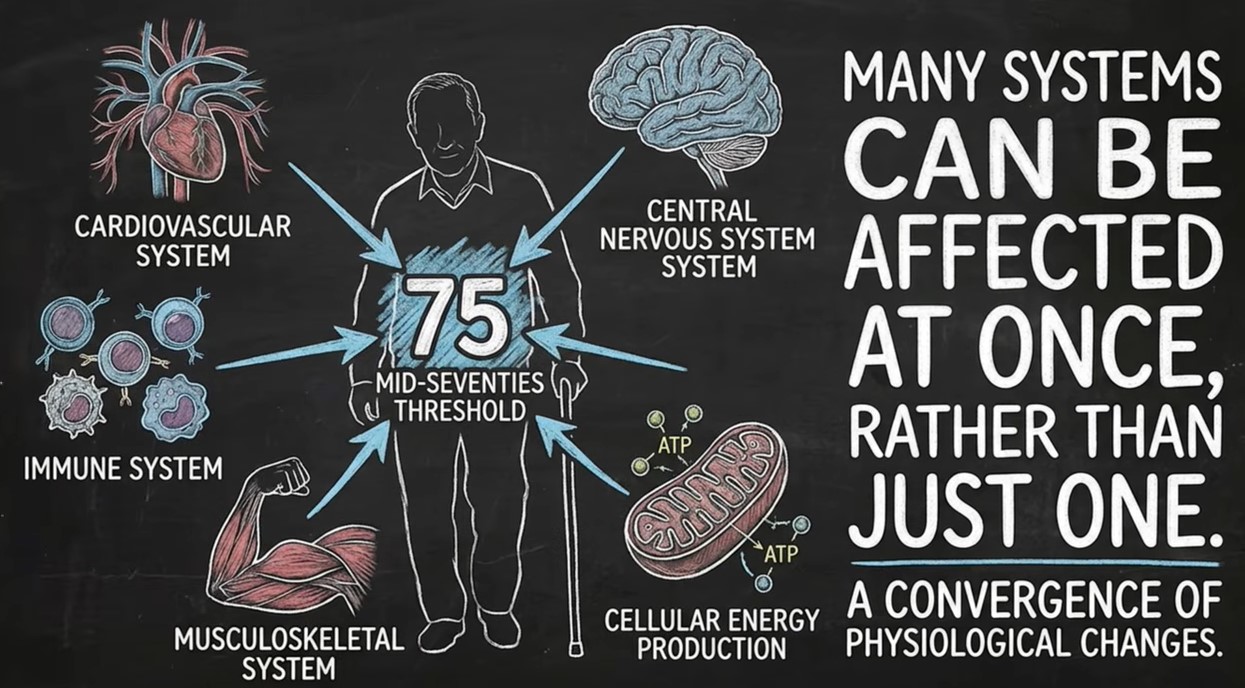
Why It Matters
Good effects: In the short term, SASP helps with wound healing, tissue repair, and signals the immune system to clear out dangerous cells.
Bad effects: Over time, chronic SASP secretion drives low-grade systemic inflammation, promotes aging, and can help neighboring cells turn cancerous.
Japanese researchers found that bladder muscle cells are often regulated by our circadian rhythms, which can be influenced by our genes. A specific protein in these muscle cells, Cx43, is largely controlled by our genes as well.
Their conclusion: genes can determine how much urine our bladder can hold!
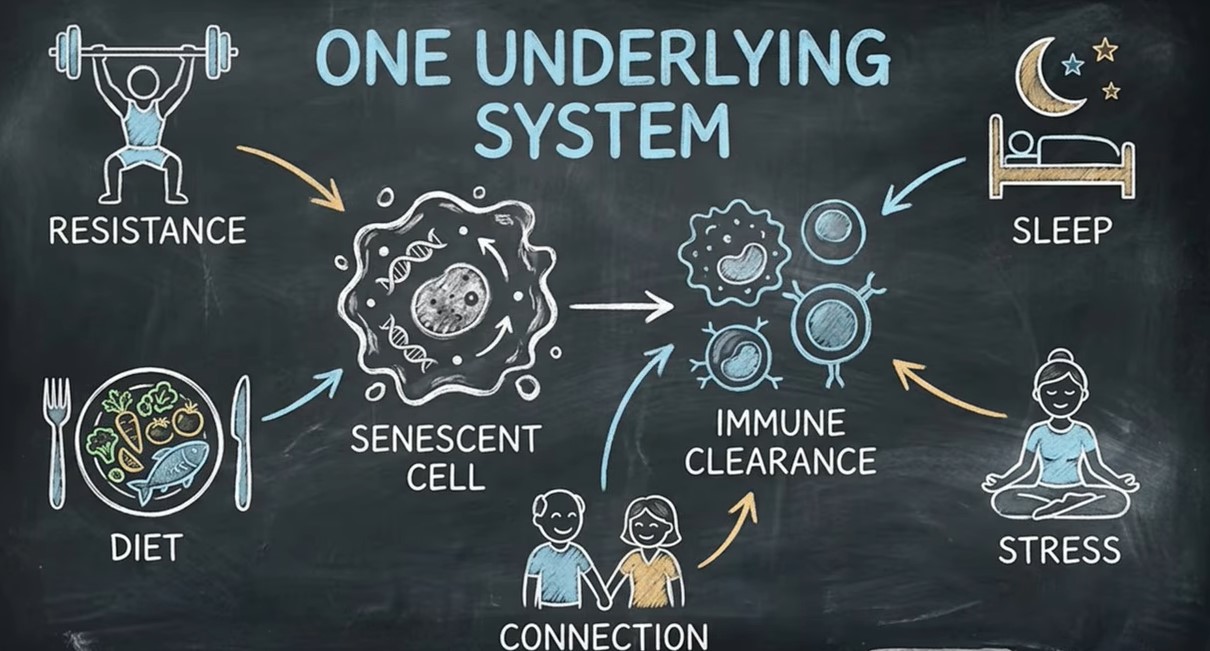
You have a biological age, a chronological age, and a perceived age, often based on facial features.