Faso Kosam
Beginning in 2016 and lasting 3 years, the Vache du Faso (VdF) project – funded by the Bill & Melinda Gates Foundation and managed by Ceva – aimed to improve milk production in Burkina Faso. It planned to achieve this by crossbreeding hardy but low yielding local zebu cows with one of two French dairy breeds to produce productive crossbred dairy cows that were well adapted to the harsh local context.
From cow to cup of milk
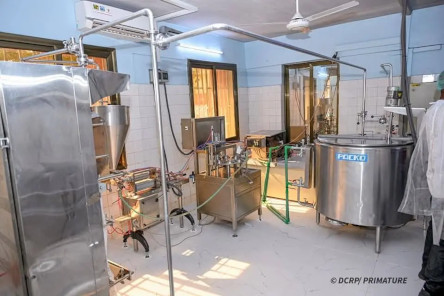
5/2025: In a significant step toward reducing Burkina Faso’s heavy reliance on dairy imports, the state-owned enterprise Faso Kosam has opened its second milk processing facility in just two months, this time in Fada N’Gourma. With a capacity to process 6,000 liters of milk daily, the plant is designed to address the country’s long-standing challenge: converting local milk into value-added dairy products and reducing spoilage due to poor infrastructure.
This follows the 27/3 opening of their 1st dairy facility in Ouagadougou, which has a smaller capacity of 500 liters/day. Together, these 2 units mark the beginning of an ambitious network of strategically placed milk collection and processing hubs across Burkina Faso’s dairy-producing regions.
Why This Move Matters
According to a GIZ policy brief, only 2% of Burkina Faso’s milk production is currently processed, with the vast majority either consumed informally or wasted due to a lack of cold chain, feed supply, and collection infrastructure. With Burkina Faso spending nearly $50 million annually on imported milk powder—used mainly in urban dairy products like yoghurt and flavoured milk—the new plants change the game.
“This is not just about milk—it’s about food security, job creation, and economic sovereignty,” Faso Kosam Mgr said.
From Imports to Inclusion:
Annual milk production: ~250 million liters;
Processed through formal channels: 2-4 million liters;
Annual import equivalent: ~70 million liters, mostly milk powder;
Milk powder are used primarily in urban mini-dairies, especially during dry seasons;
Traditional products (e.g., lait caillé, gapal) rely solely on local milk.
Faso Kosam’s expansion not only addresses underutilized milk but also enhances rural-urban milk flow from pastoral herds to processing centers.
A Strategic Opportunity for Burkina Faso:
Burkina Faso’s urban demand for dairy products is growing at a rate of 4% annually, but local production is increasing only by 3%. Without strategic investments, the import gap will only widen. The new dairy plants aim to:
Boost local milk collection and usage;
Increase domestic milk processing infrastructure;
Create allyear demand for milk, including dry seasons;
Generate jobs in processing, logistics, animal husbandry.
Moreover, these plants are critical to supporting women and youth in the livestock and dairy value chains, who are key targets of the country’s agricultural transformation agenda.
Balancing Imports and Domestic Growth:
The GIZ policy acknowledges that milk powder will continue to play a significant role, particularly in meeting urban dairy needs during off-seasons. Expanding local processing capacity helps reduce dependency, while also enabling:
Better control of milk quality and safety;
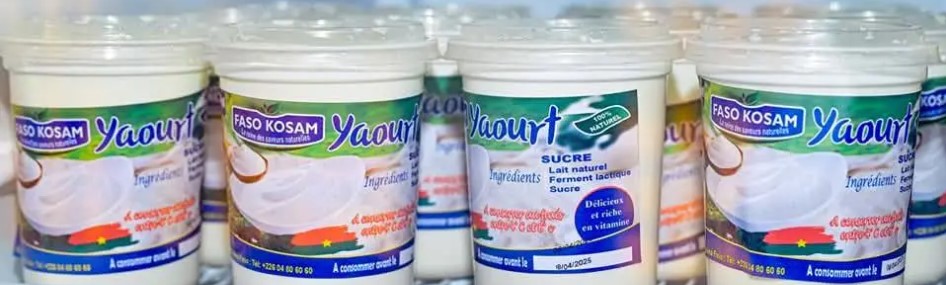
Development of new value-added products like yoghurt, cheese, and butter;
Potential for regional exports to West African markets;
A Model for Other West African Nations?
Faso Kosam’s model may serve as a blueprint for other Sahel nations facing similar dairy challenges, such as low milk yield, high wastage, rising demand, and import reliance.
“Faso Kosam is not just processing milk. It’s processing hope into opportunity,” said a dairy development expert with ties to the ECOWAS dairy platform.
From Import Dependency to Dairy Empowerment:
The rapid expansion of Faso Kosam’s milk processing capabilities represents a turning point for Burkina Faso’s dairy future. While challenges remain -particularly feed availability and logistics- the movement toward localised, formalised, and value-driven milk processing is unmistakable.
This is not only excellent progress for dairy farmers and rural communities, but also for Burkina Faso’s economic resilience and food security sovereignty.
Donkey milk,
the white gold from Burkina Faso

Cosmetic Applications:
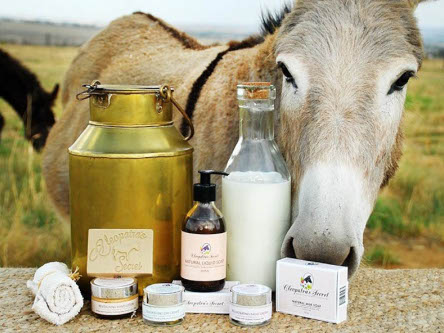
Donkey milk is increasingly used in soaps and skincare products due to its moisturizing, anti-aging, and soothing properties. It’s known to be gentle on sensitive skin and can help with conditions like eczema and rosacea.
Medicinal Properties:
Organic donkey milk is used for medicinal purposes, including treating whooping cough and arthritis. It is also a natural alternative to cow’s milk formula for infants with allergies.
Growing Market:
The demand is increasing as more people become aware of its potential benefits, as it contains antioxidant, antimicrobial, antiproliferative, and antidiabetic properties.
Available Products:
Donkey milk-based skincare products are available on “Ubuy Burkina Faso”: