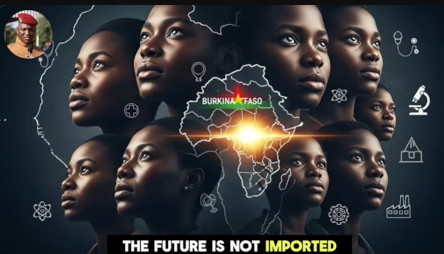
Pharma Industries
Pharmaceutical Industries
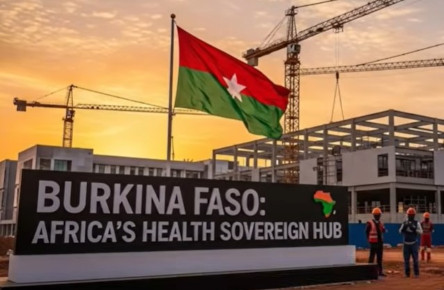
Starting with the construction of a Biotech Training University in Burkina Faso, the Indian Pharma industry may invest upto US$50B worth of facilities and specialists, spread out over BF, the train local students, and produce the most needed vaccines & products for part of the African Market:
- India can collaborate with Africa to establish joint manufacturing facilities through the supply of Active Pharmaceutical Ingredients (API). Indian companies can assist with the setting up of telemedicine centers under e-VidyaBharti and e-ArogyaBharti (e-VBAB) and set up a chain of Indian hospitals in African countries. There is also a growing market for herbal medicines and alternative therapies.
- The Indian industry can undertake collaborative research on infectious diseases with a focus on developing vaccines. India can also provide support for improving diagnostics for neglected tropical diseases.
- India and Africa can organize annual industrial conventions between pharmaceutical companies and business leaders, and set up a common e-marketplace for healthcare innovations between India and Africa.
- Investing in education and training for healthcare professionals and pharmaceutical scientists can help address the skills gap in the sector.
- Indian and African governments can offer incentives facilitating greater investment from private investors and development banks.
- India can support in creating effective strategies for healthcare data collection, which can be used for policy making and real time data monitoring.
- Members of the industry can work with the Government in creating a healthcare fund which can help augment healthcare infrastructure and can be used to finance the development of small and medium sized enterprises.
- Indian healthcare companies should consider helping in hospital management and training of doctors and nurses in African countries.
A landmark for South-South cooperation.
The projects will increase the availability of essential medications in rural hospitals, through shorter and faster supply chains, leading to fewer expired and counterfeit drugs in the stores. The project is aimed at health independence, economic growth, and reducing reliance on Western imports.
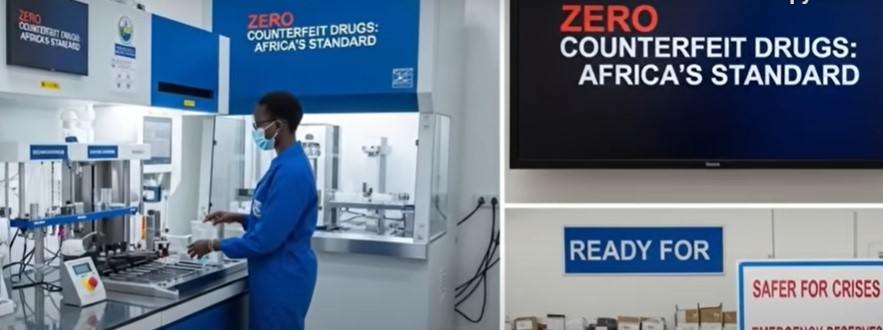
As health products will be distributed with dignity and sovereignty, the guarantee of availability of emergency drug reserves for epidemics and other health crisis allover the African continent will be enhanced.
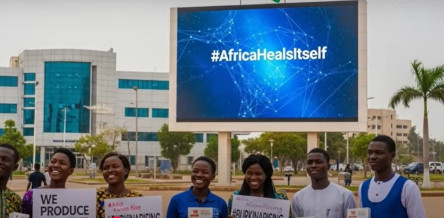
High-tech-parks will be created for health-start-ups. What may be built:
Mega pharmaceutical city with:
- State-of-the-art factories.
- Biotech training university.
- Biotechnology research labs.
- Solar-powered infrastructure.
- Various drug distribution hubs.
Focus Areas:
- Production of affordable vaccines, antibiotics, malaria/HIV drugs, and emergency medicines.
- Tailored for Africa’s specific healthcare needs.
Economic Impact:
- Over 250,000 new jobs created.
- To rise Burkina Faso’s GDP by 18% within a decade.
- Estimated US$12B/year in medicine exports by 2030.
Education & Innovation:
- New biotech university to train scientists/pharmacists.
- Joint R&D between Indian and African experts.
Pan-African Reach:
- Distribution network to serve all of Africa’s rural areas.
Sustainable & Smart:
- Projects powered by renewable energy (solar/biomass).
- Designed for affordability and environment-protection.
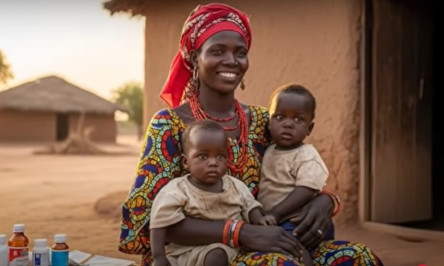
The UN Economic Commission for Africa stated that generic drugs are up to 30 times more expensive in many African countries compared to EU nations like the UK. Because of the COVID-19 disaster, countries worldwide recognized the need to develop local production of medicines. Thus,
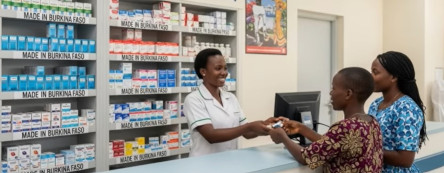
On 29/8/2022, Burkina Faso inaugurated a US$23Mio drug manufacturing plant, as a private initiative of Burkinabe pharmacists who set up their own Ltd.
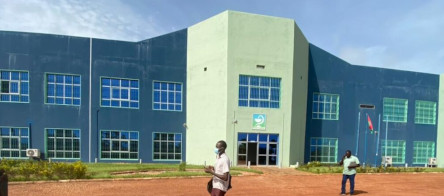
3000 sqm Propharm plant
The ‘Propharm’ plant seeks to increase the percentage of locally-produced drugs at a time when African countries import 97% of the pharmaceutical products they use.
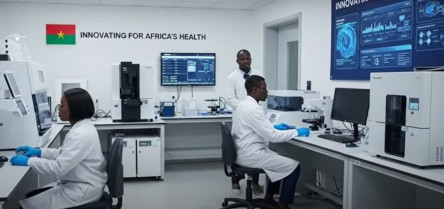
Certified by an independent EU organization, the plant produces paracetamol 500 mg, phloroglucinol, an antispasmodic as well as a kit of oral rehydration salts and zinc for the treatment of diarrhea.
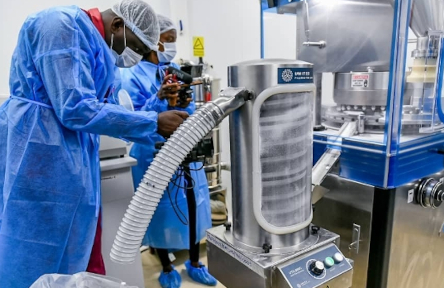
This allows the plant to do granulation, mixing, capsule filling, compression, coating, etc. The whole was ‘designed’ by Italians. The equipment was acquired in the USA. Its current capacity meets the local needs, including the production of drugs for the management of malaria.
The plant will sell the medicines to BF’s population at a lower cost. The product, in its current state, with all the charges and costs, is competitive. The margins are not huge, because they are in a market where a lot of drugs come from India or China, which are very difficult to compete with.
Veterinary Medicine Production:
- BF’s first vet drug plant is expected to save US$18Mio yearly on imports.
- The US$36Mio factory will create over 600 jobs.
The construction of BF’s first veterinary pharmaceutical manufacturing plant will help the country reduce its reliance on imported animal medicines and boost local industrial production.
The plant will help prevent shortages, limit animal disease outbreaks across borders, and meet local demand for veterinary medicine. The facility will produce drugs that include vaccines for mass immunization campaigns, as well as antibiotics, anti-inflammatories, vitamins, and anti-parasitics.
The plant can produce 50Mio doses of liquid vaccines and 60Mio doses of freeze-dried vaccines annually, enough to meet domestic needs and support exports.
Veterinary drugs are essential for treating animal diseases and for improving livestock productivity and ensuring the safety of animal-based food products.