The Cross as a Map of Consciousness
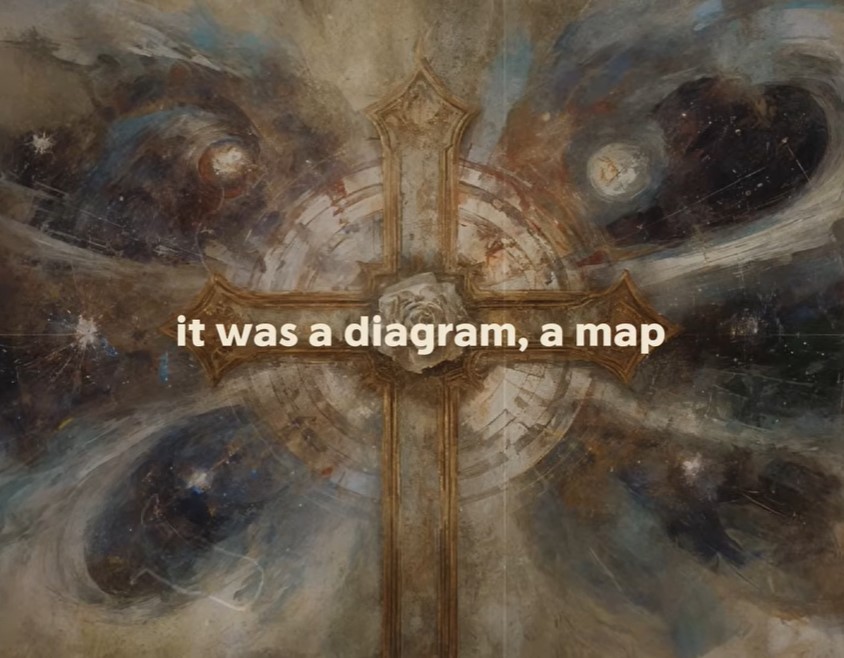
The Cross as a Diagram of Consciousness
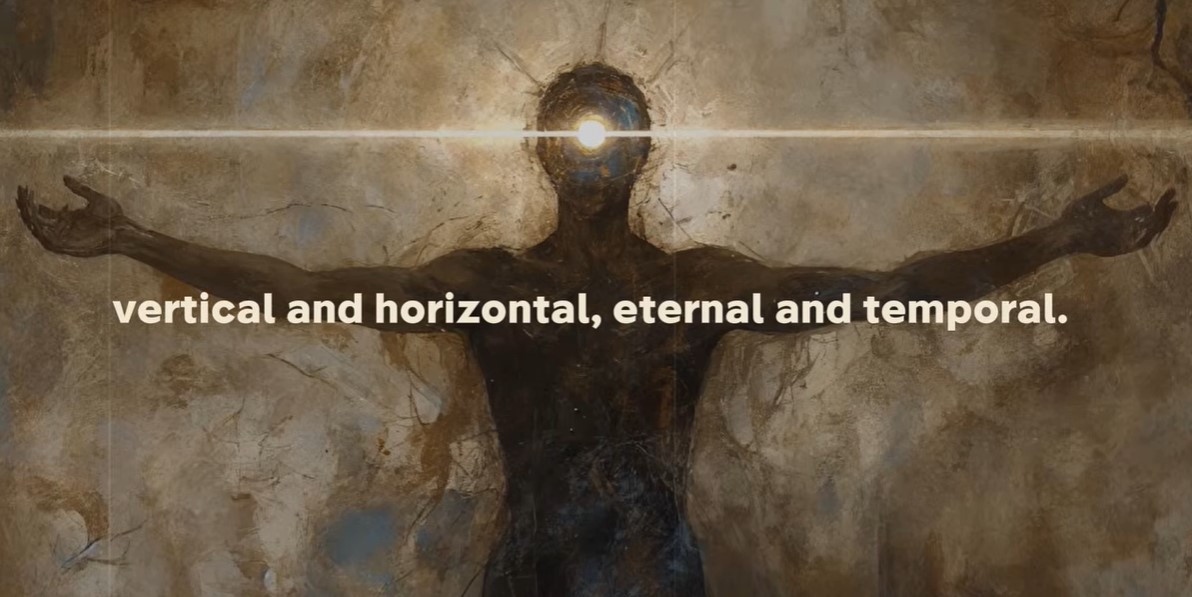
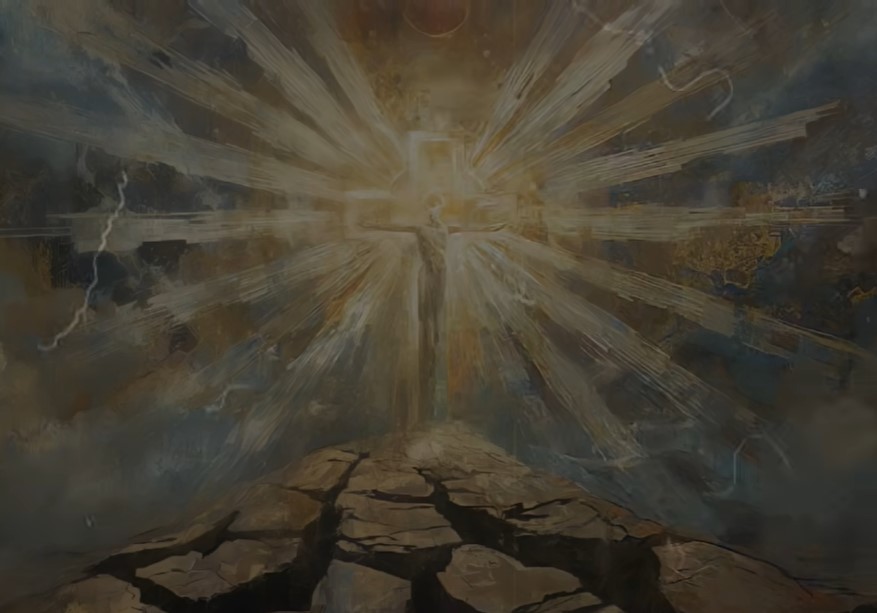
Many members of our society have moved the cross from a symbol of religious sacrifice and suffering to a universal, pre-Christian diagram of human consciousness itself. The cross’s 2,000-year endurance is not due to a single historical event (the crucifixion), as it maps 2 fundamental dimensions of reality: the vertical (eternal, timeless awareness) and the horizontal (temporal, material existence).
The intersection of these two lines represents the direct, experiential point of awakening that esoteric traditions—Gnosticism, Rosicrucianism, Alchemy, and others—have pointed to for millennia.
Part 1: Reframing the Symbol
Chapter 1: Hidden Meaning of the Cross
Therefore, the conventional Christian narrative of the cross as solely an instrument of death and sacrifice is incomplete. The symbol’s power comes from something deeper and structural: a diagram of consciousness. Long before orthodox Christianity, Gnostic thinkers saw the cross not as a theological statement but as a geometric map of a timeless truth embedded in reality itself. The cross points not to an external historical event, but to an internal structure within every human being.
Chapter 2: Why This Symbol Endured
The cross-like symbol (two intersecting lines) appears across unrelated ancient cultures (Egyptian ankh, Mesopotamian axes) long before Christianity. This universality suggests it was not invented but observed as a fundamental code of reality: the vertical (descending/eternal) and horizontal (extending/temporal).
Early Gnostic interpretations of Jesus’s teachings focused not on the physical crucifixion but on its symbolic representation of the divine descending into matter. Texts like the Gospel of Thomas emphasize inner revelation over outward sacrifice, pointing to a divine spark (the pneuma) present within every person.
Chapter 3: The Cross Before Christianity
The pneuma (divine spark) is a fragment of the eternal source, asleep within the structure of material existence. Thus, the cross becomes a diagram of descent: the vertical line represents the Logos (divine intelligence moving from source into manifestation), while the horizontal represents the material world of time, identity, and death.
The horizontal plane is described as being governed by archons, gate-keepers, patterns, loops, fears, desires, and distractions that keep awareness anchored to the surface of life. When orthodox religion absorbed the cross, this internal diagram became an external doctrine, shifting focus from inner recognition to distant worship.
Part 2: The Experiential Reality
Chapter 4: Interpretation of the Cross
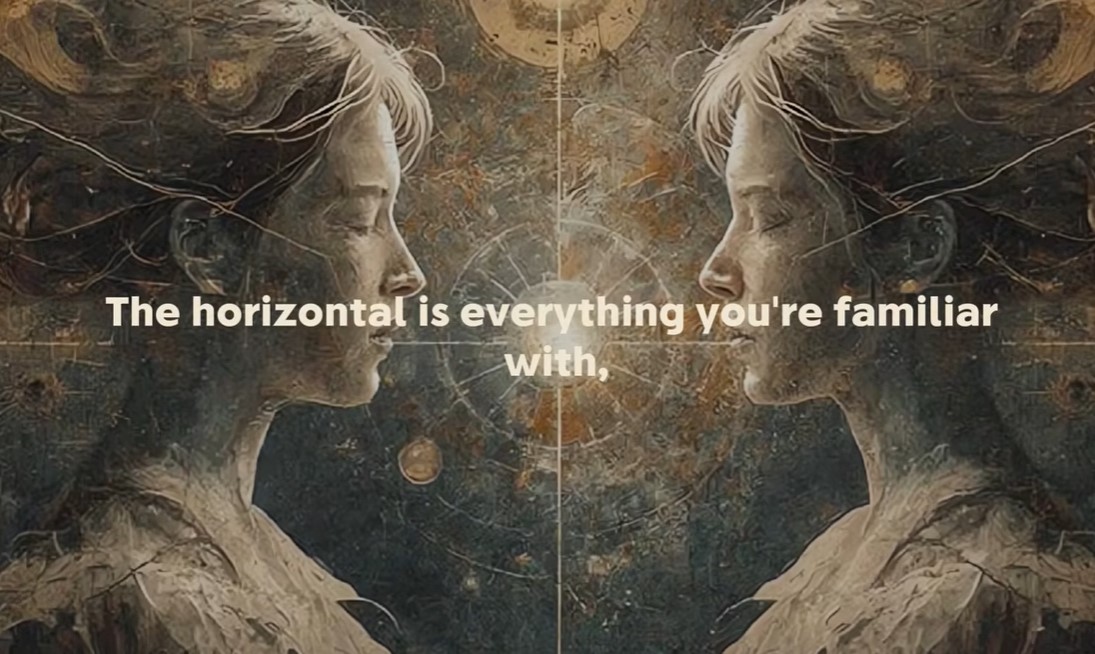
The horizontal is everything familiar: your name, past, future, plans, regrets—the entire timeline from birth to death. Most people treat this as the whole of reality. However, the vertical dimension runs through every moment. It is not a concept but a living, unchanging current of awareness.
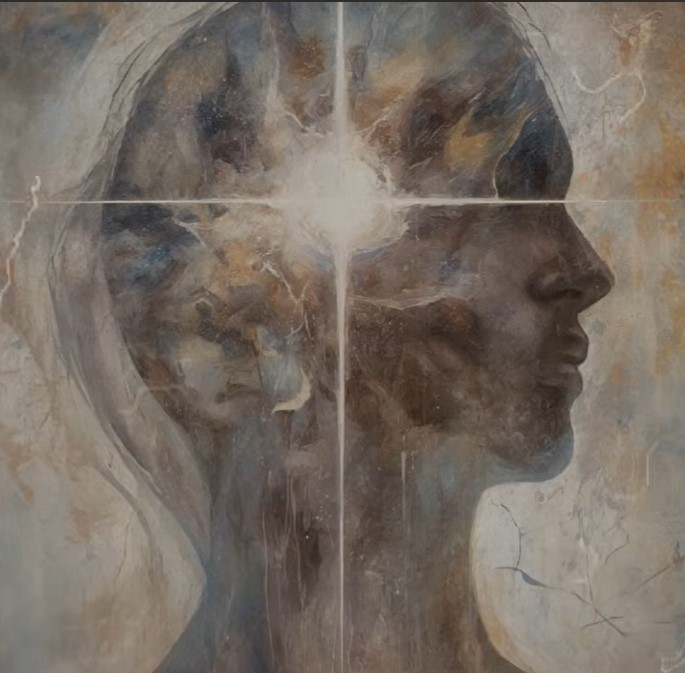
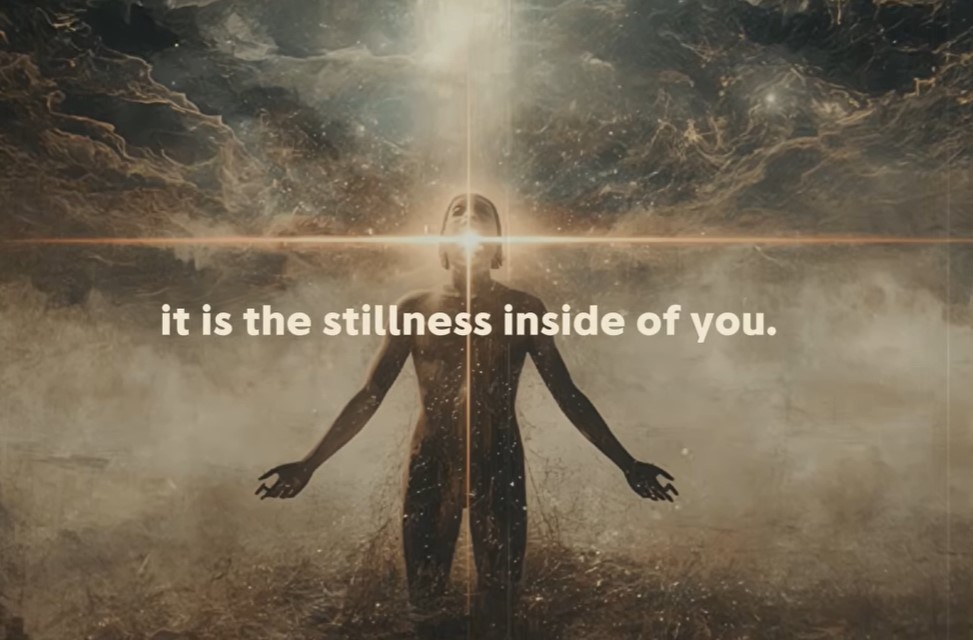
There are ordinary moments where you become aware that you are thinking, or you watch your own reaction instead of being swept away. That quiet background awareness is the intersection—the center of the cross, directly accessible. The vertical is not something to achieve; it is the stillness inside you.
The only thing that moves is your attention. When attention is fully absorbed in the horizontal, the intersection disappears from experience—not because it is gone, but because you are no longer aligned with it.
Chapter 5: Vertical vs Horizontal Explained
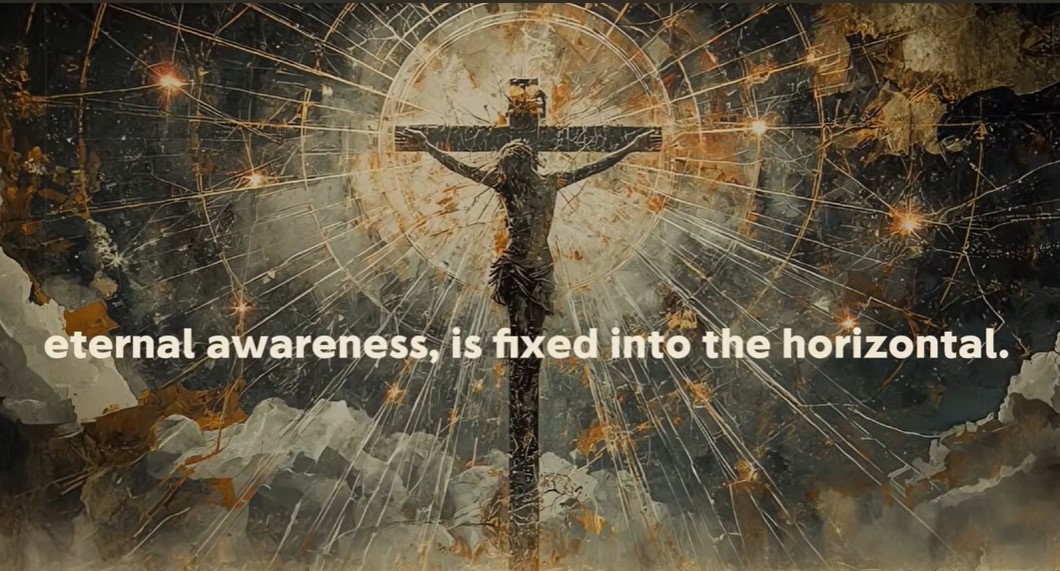
The persistent collapse of attention back into the horizontal is not a personal weakness but a structural feature of the system. The horizontal is a constant field of influence pulling awareness outward through momentum (becoming, doing, reacting). The crucifixion is reinterpreted not as a single historical event but as the ongoing condition of consciousness in matter: the eternal vertical fixed into the horizontal of time and limitation.
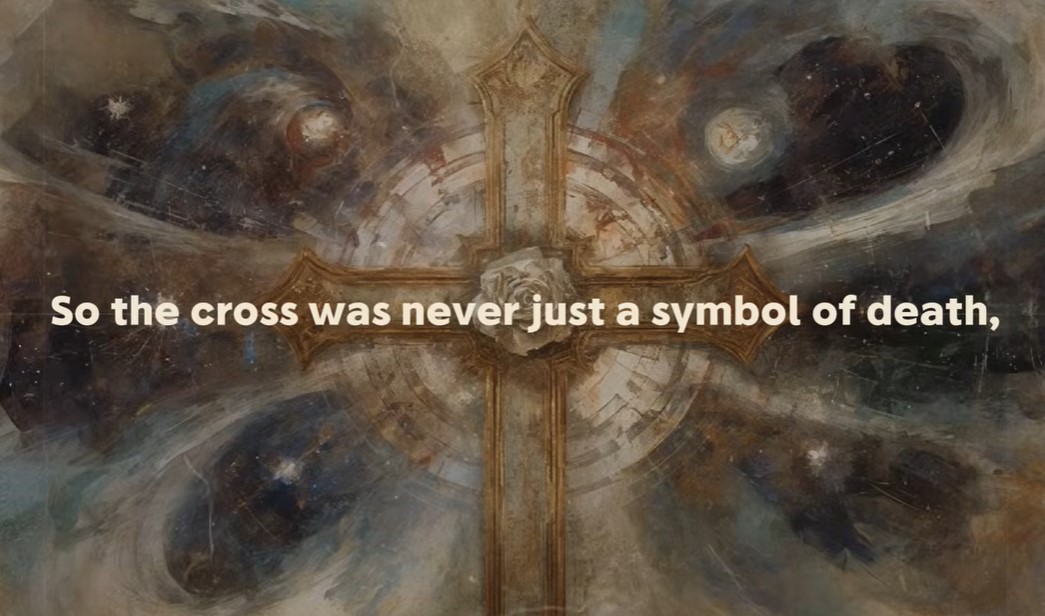
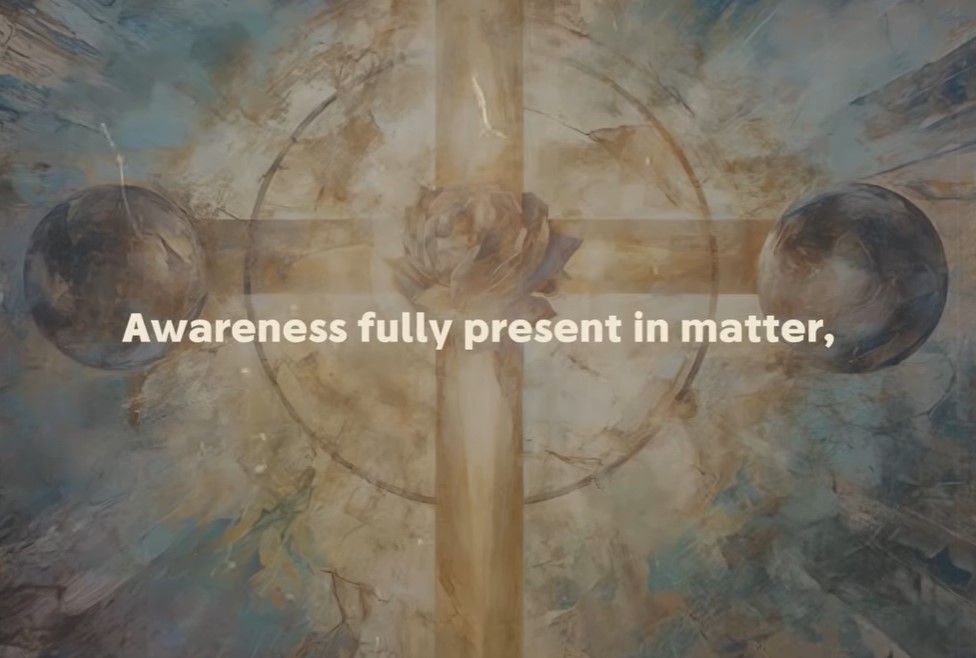
The Rosicrucians placed a rose at the center of the cross—divine consciousness not crushed by matter but flowering within it. Resurrection, therefore, is not a physical return from death but the moment the divine spark wakes up to its true nature: freedom within the horizontal, not escape from it:
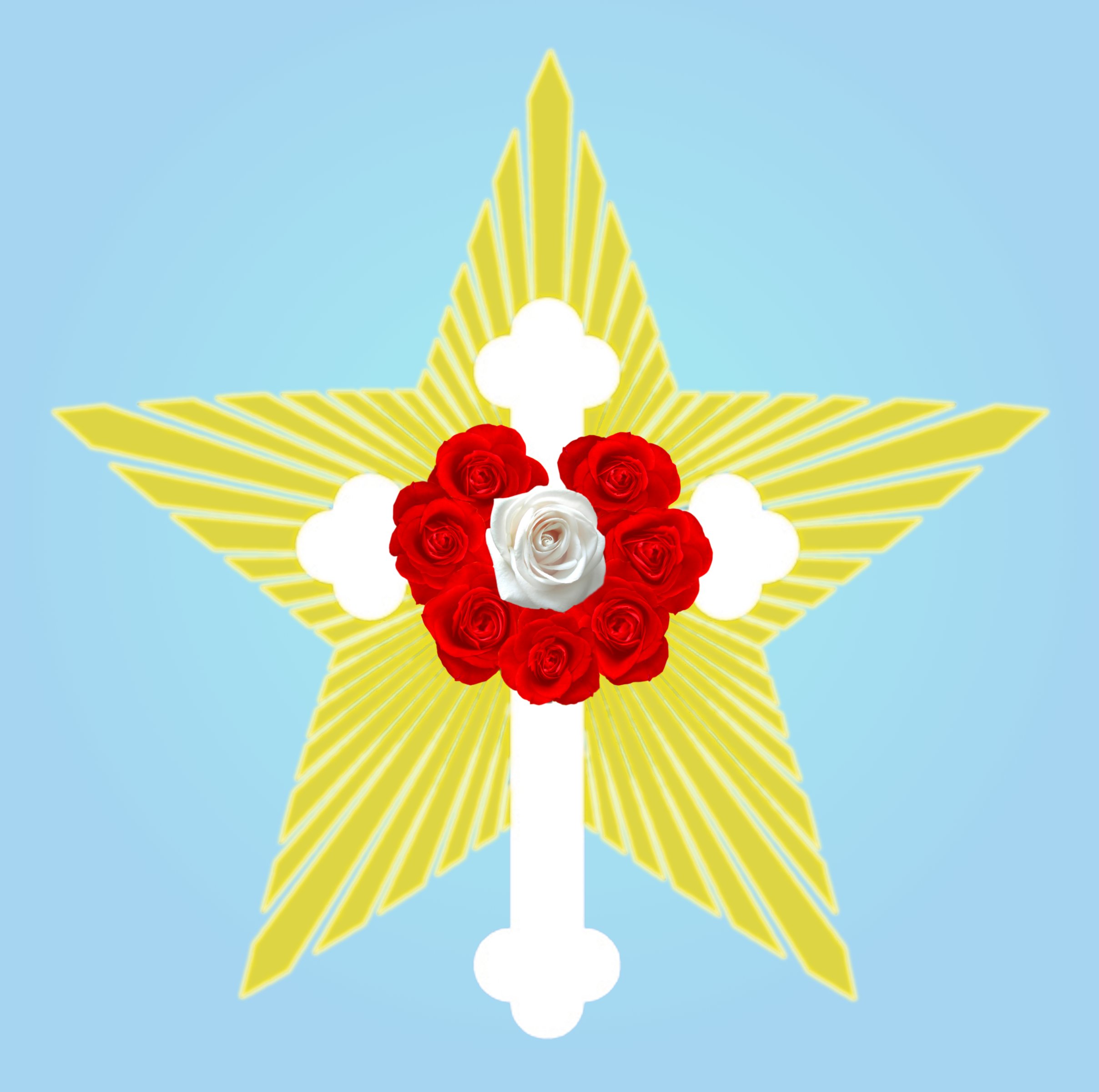
The alchemists called this solve et coagula (dissolve and form again)—the vertical dissolves identification with fixed form, and the horizontal coagulates consciousness in the world. Their “philosopher’s stone” is awareness fully present in matter while conscious of its harmonic stellular source.
Chapter 6: The Illusion of the Surface World
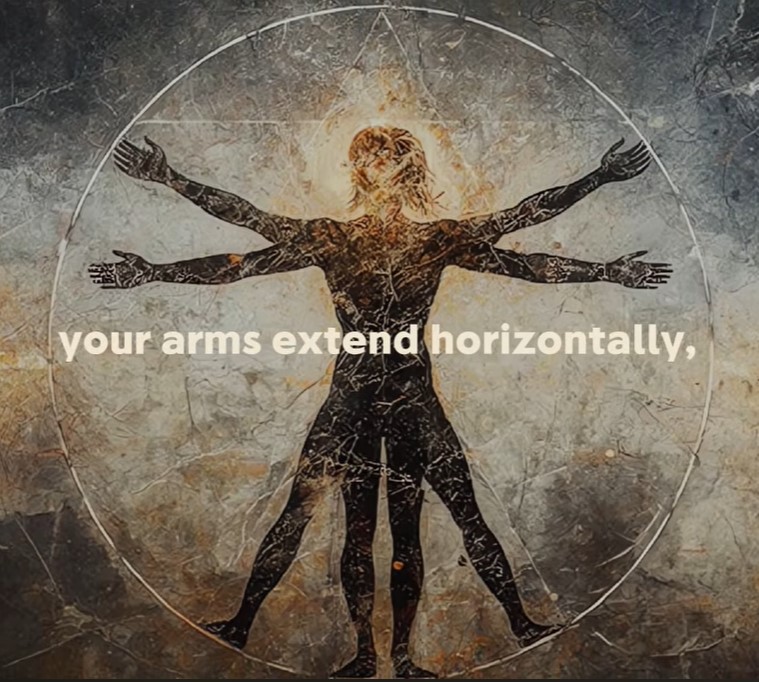
The human body itself mirrors the cross: the spine runs vertically, arms horizontally. The vertical axis (spine) can become perceptible as a current of energy (kundalini or inner fire) when attention is no longer consumed by the horizontal. The fundamental Gnostic distinction: gnosis (direct experience) vs. pistis (belief). Pistis keeps the symbol external; gnosis turns it around, so you look from the cross rather than at it. Recognizing the structure from the inside.
Part 3: Practical Implications and Conclusion
Chapter 7: Archons & The Pull of Attention
Shifting from belief to direct recognition does not require technique or practice. It requires a quality of attention that most have felt briefly: moments of wider, more spacious presence. Those moments were not accidents; they were the intersection. The goal is not to reject the horizontal (as the Cathars tried) but to change your relationship to it. The horizontal is not the enemy. It is the surface through which the vertical becomes experiential. The shift is from being lost inside your story to being aware of it as it unfolds.
Chapter 8: The Inner Intersection
This recognition feels like remembering rather than discovering. The intersection was never hidden; you just weren’t positioned to see it. The Mandaeans’ ritual of immersion in water is cited as a practice of continual reorientation—returning to the center repeatedly, not arriving permanently.
Chapter 9: Resurrection Reinterpreted
The cross shows something permanently true about consciousness: the timeless awareness that does not move (vertical) and the temporal life unfolding (horizontal). The intersection is where attention returns, the moment it stops being consumed by the horizontal.
The symbol endures because it describes a structural truth recognized across traditions (Gnostic, Rosicrucian, Alchemical) independently—not through cultural influence, but because it is built into conscious experience itself.
Chapter 10: Living the Cross
The cross became a universal symbol because it accurately describes what every aware human eventually encounters. It was left in plain sight—carved in stone, worn as jewelry, placed at the center of the largest spiritual tradition—not to be worshipped or explained, but to be recognized inside.
Conclusion:
- The cross is a diagram, not just a symbol of suffering. It maps the vertical (eternal awareness) and horizontal (temporal existence).
- The eternal spark (pneuma) is within every person, asleep but not absent.
- The horizontal is governed by patterns of distraction, fear, and momentum that keep awareness on the surface.
- Resurrection is awakening to the vertical within the horizontal, not a process of escaping matter.
- The intersection is directly accessible in moments of quiet self-awareness, not through belief or technique.
- The goal is gnosis (direct recognition) rather than pistis (external belief).
- The human body mirrors the cross (spine vertical, arms horizontal), and energy can be felt along that axis when attention is on breathing.
- The symbol endures because it describes a permanent structure of consciousness, recognized independently across cultures and eras.