TRAUMA-SCIENCES
TRAUMALOGY
Traumalogy is the study of trauma as it relates to stuck biophoton-wave/particle based attention energy in a body.
Trauma is about the procedures an organism executes when it is exposed to stress, threat, shock, and/or injury. Animals and humans execute biologically based, non-conscious action patterns in response. They orient, dodge, duck, fight, flee, freeze, stiffen, brace, retract, collapse, submit, surrender, etc. All of these coordinated responses are movements that the body makes to protect and defend itself.
The body draws from a ”library” of possible motor responses supported by adjustments in the autonomic and somatic nervous systems. When the exposure is overwhelming to the responses, we see trauma. The bodies of traumatized people portray ”snapshots” of their attempts to defend themselves.
Trauma is in essence a highly activated incomplete biological response to a threat, that is ‘frozen’ in time. When our full neuromuscular and metabolic machinery prepares us to fight or to flee, muscles throughout the entire body are tensed in specific patterns of high energy readiness.
When we are unable to complete the appropriate actions and are unable to discharge the tremendous energy generated by our survival preparations, this energy becomes fixated and ‘frozen’ into specific patterns of neuromuscular readiness.
Sensory feedback to the brain stem from incomplete neuro-muscular responses results in a state of acute (later chronic) arousal and dysfunction in the central nervous system.
These energy transmissions exist as mental activity on a conscious or unconscious level. The messages transmitted are the memories of traumatic experiences that are also trapped as bits of energy somewhere in the physical body.
How to immerse the energy of our attention into a sensation in the body, that is possibly related to this residual energy?
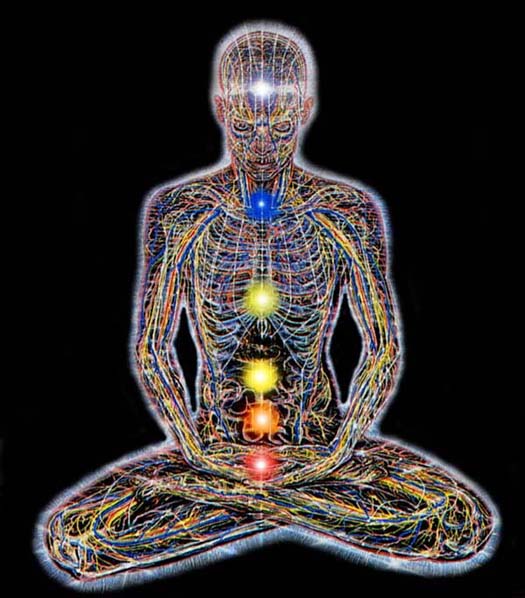
When experiencing shock, stress, injuries, or threats, our body raises the heart’s frequency. This raises the blood pressure, and the blood vessels in the muscles open up even more. Specific hormones are inserted into the blood to speed up wound healing in case of damage.
When the stress becomes chronic, the blood levels of the adrenaline, cortisol, and cortison hormones will remain high, causing a continuing high blood pressure. This will lead to even more blood clotting and a weakened immune system.
Research has shown that the continuing feelings of fear from threats, stress, or injuries, will lead to more anxiety attacks, depression, and increased risk of cancer.