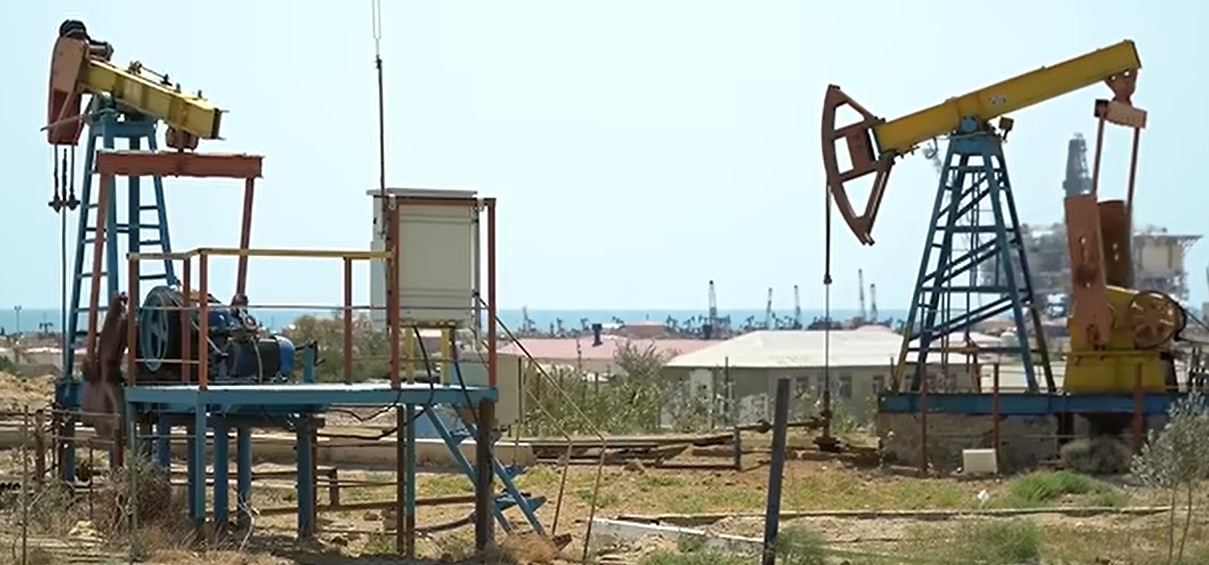
End of Oil Dominance?
China’s Multi-Front Strategy
to End Oil Dependence
China has coordinated efforts to reduce its vulnerability to oil supply disruptions, particularly through the Malacca Strait—a narrow 3 km chokepoint through which 80% of China’s seaborne oil imports pass. Rather than simply securing more oil, China is funding 5 parallel technological fronts to make oil less needed.
The Five Fronts:
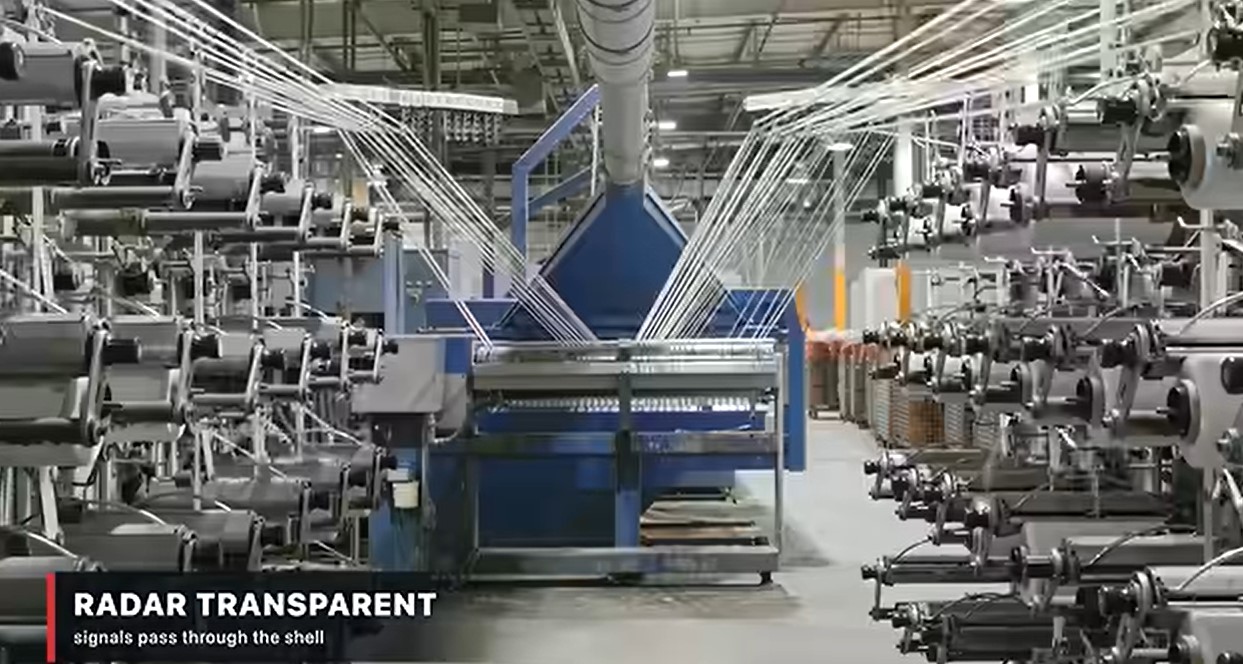
- Basalt Fiber (Materials): China melts volcanic rock at 1,450°C to produce fibers stronger than steel at 1/4 of the weight, resistant to rust, and radar-invisible. Used in construction, EVs, wind turbines, and military applications. China holds 52% of the Asian market.
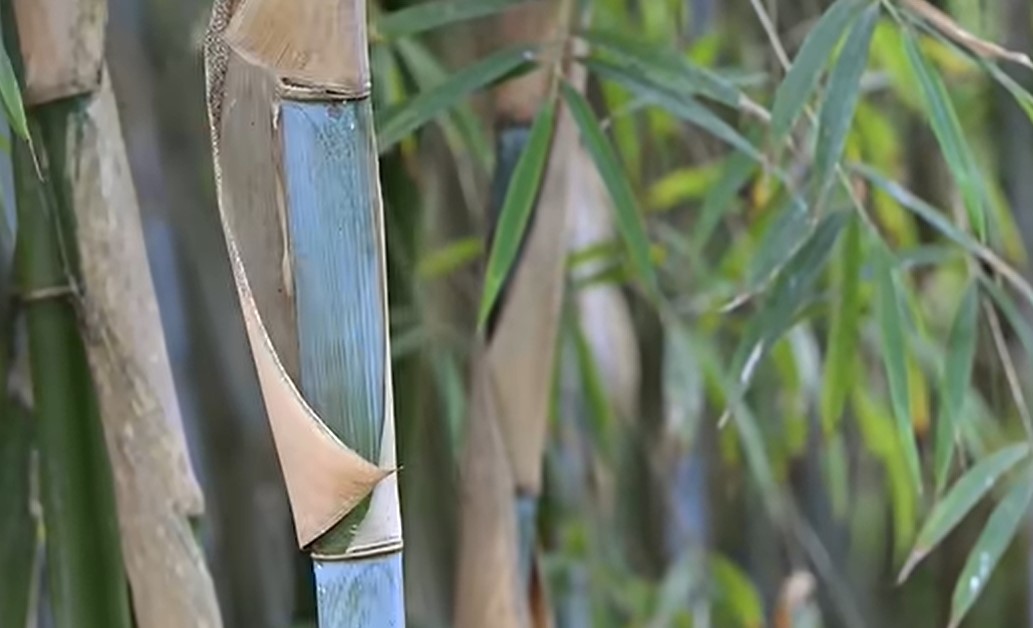
- Bamboo/Miscanthus Bioplastics:
Plant-based plastics that biodegrade in ~50 days, derived from land-crop waste and bamboo cellulose. China will convert 1B tons of annual crop straw into bioplastic feedstock, thus targeting the $700B global plastics market.
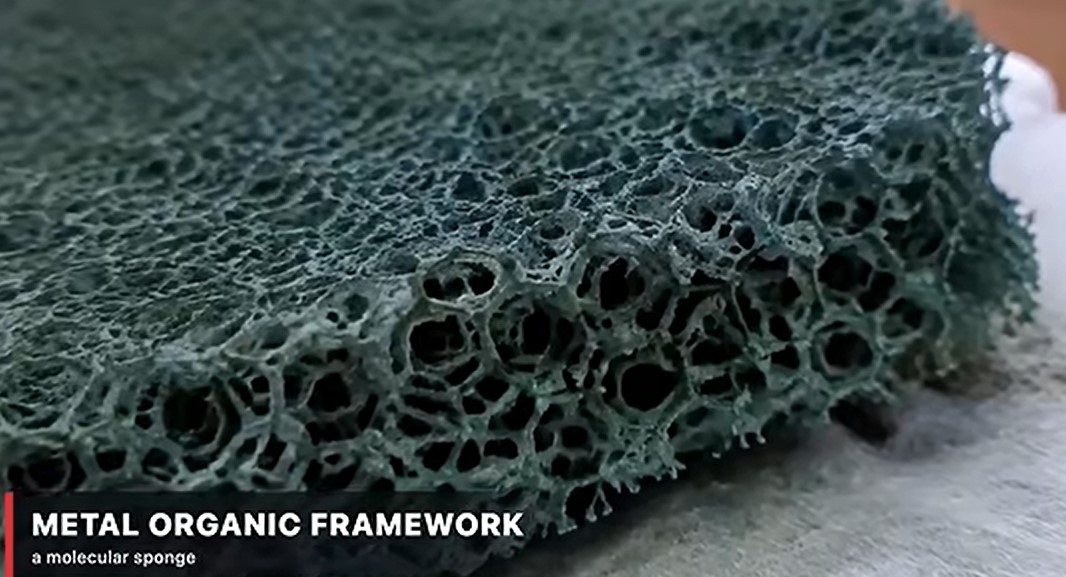
- Molecular Refining (Cold Refinery): Dalian Institute of Chemical Physics developed a room-temperature refining process using metal-organic framework membranes that sort molecules by size and chemistry, using 91% less energy than traditional heat-based distillation.
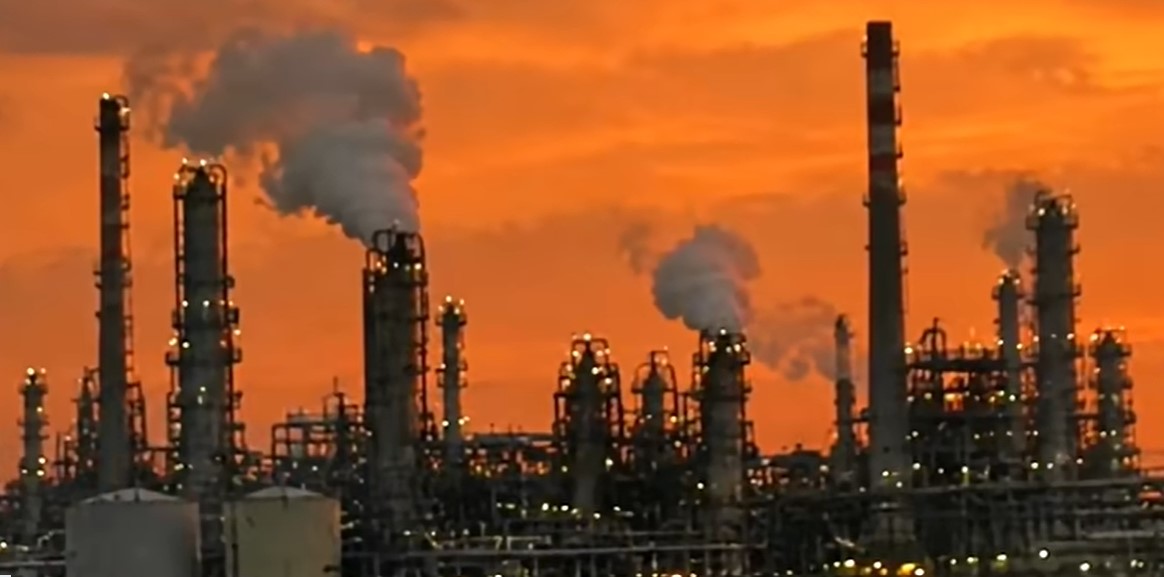
- Air-to-Gasoline: The same institute built a pilot plant producing 1,000 tons/year of 90+ octane gasoline from CO₂ + H2 using a sodium-iron-zeolite catalyst, achieving 78% gasoline-range products. Related research is also targeting synthetic aviation fuel and the conversion of plastic waste into jet fuel. These technologies could help supply sectors such as aviation and shipping that are difficult to electrify. Their overall environmental benefit depends on the source of the hydrogen and energy used in production, as well as how the carbon dioxide is obtained.
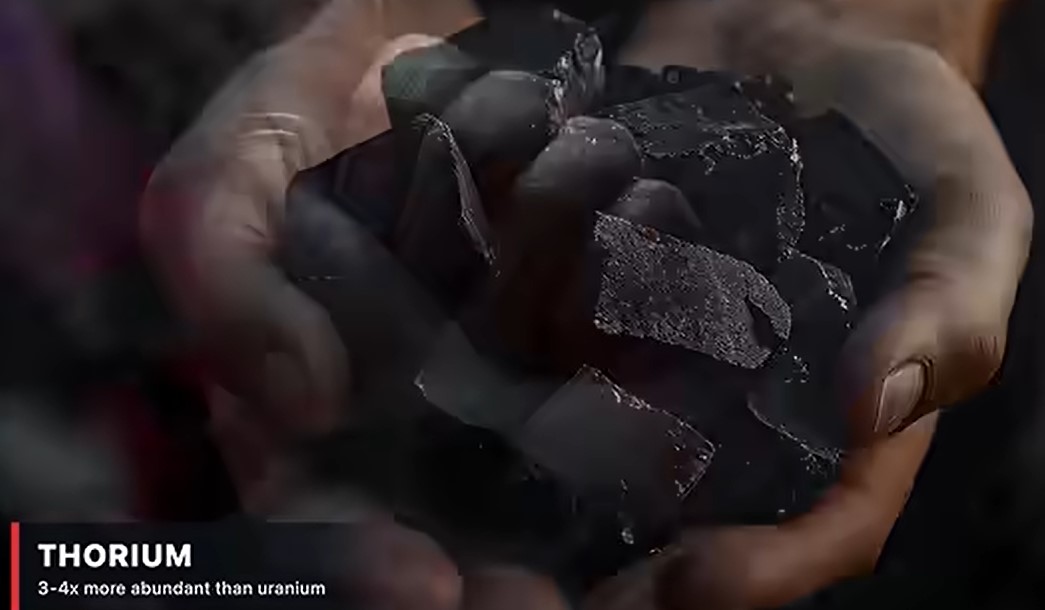
- Thorium Molten Salt Reactor: In the Gobi Desert, China’s TMSR-LF1 (2 MW) achieved the world’s first thorium-to-uranium-233 conversion in a running reactor. Thorium is 3-4x more abundant than uranium, and China’s Bayan Obo Mining tailings contain ~1 million tons. The reactor needs no water cooling and cannot melt down.
The Integrated System:
These are not separate inventions, but in fact one coordinated invention machine:
- thorium provides carbon-free high-temperature heat,
- that heat powers the conversion of CO₂+H2 ⇒⇒ fuel, and
- new materials reduce oil demand for plastics and steel.
Reality Check:
The challenge ahead is industrial scaling, not physics. However, China is an expert in fast scaling, by building an industrial ecosystem that replaces petroleum across fuels, plastics, construction materials, and energy production.
Once these 5 technologies are scaled successfully and commercially competitive, they will reduce China’s dependence on oil significantly, and thus completely change the global energy industry.