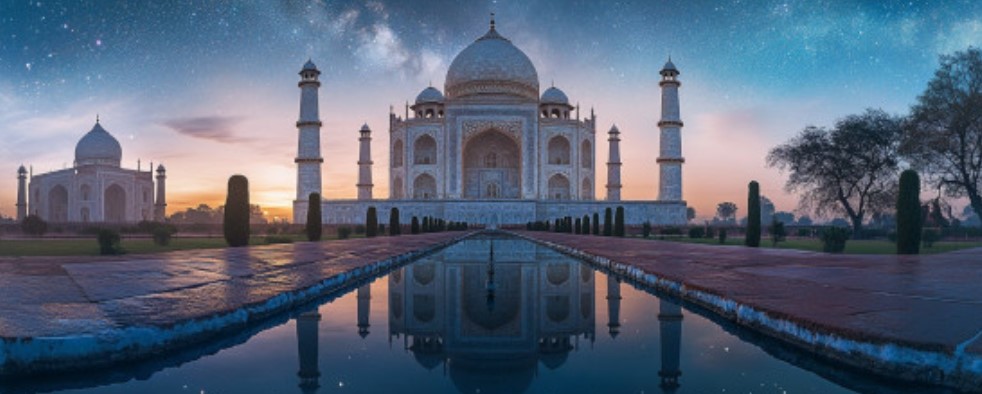
Taj Mahal
8 Secrets of the Taj Mahal
This world-wonder memorial remains a place of mystery
The mausoleum in Agra is India’s most famous monument, and a sublime shrine to eternal love. Built from between 1632 and 1647 by the Mughal Emperor Shah Jahan, the Taj Mahal was dedicated to Jahan’s favorite wife, Mumtaz Mahal, who died during childbirth.
But despite its iconic stature, much of its history is still shrouded in mystery. Here are a few things about the marble-clad marvel:
The most famous myth is probably false
According to a popular legend, Shah Jahan wanted desperately for the mausoleum to be an exquisite masterpiece without an equal. To ensure no one could recreate the Taj Mahal’s beauty, Shah Jahan supposedly severed the hands and gouged the eyes of the artisans and craftsmen.
Despite the prevalence of this gruesome tale, historians have found no evidence to support the story—though it does heighten the drama of the romantic tragedy.
Optical illusions can be spotted everywhere
The architects and craftsmen of the Taj Mahal were masters of proportions and tricks of the eye. When you first approach the main gate that frames the Taj, for example, the monument appears incredibly close and large. But as you get closer, it shrinks in size—exactly the opposite of what you’d expect.
Although the minarets surrounding the tomb look perfectly upright, the towers actually lean outward, which serves both form and function: in addition to providing aesthetic balance, the pillars would crumble away from the main crypt in a disaster like an earthquake.
Both of the cenotaphs are empty
Inside the Taj Mahal, the cenotaphs honoring Mumtaz Mahal and Shah Jahan are enclosed in an eight-sided chamber ornamented with pietra dura (an inlay with semi-precious stones) and a marble lattice screen. But the gorgeous monuments are just for show: The real sarcophagi are in a quiet room below, at garden level.
The Taj gets regular facials
Age and pollution has taken a toll on the Taj Mahal’s gleaming white marble façade, which has turned brownish-yellow under the sooty conditions. Occasionally, the monument is given a spa day. Specifically, a mudpack facial called “multiani mitti”. This traditional recipe used by Indian women to restore radiance is applied, and then washed off with brushes, after which the Taj’s blemishes vanish, and its glow returns.
It changes color throughout the day.
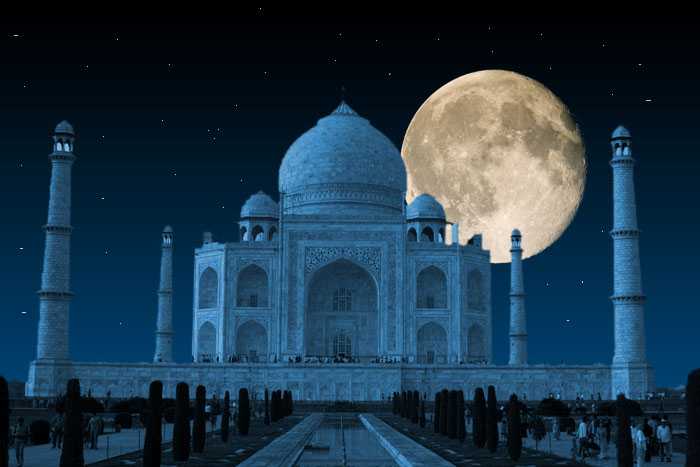
One of the allures of the Taj Mahal is its changing hue. From dawn to dusk, the sun transforms the mausoleum. It may seem pearly gray and pale pink at sunrise, dazzling white at high noon, and an orange-bronze when the sun sets. In the evenings, the Taj can appear translucent blue.
It was as much of a symbol of power as it was of love.
Accounts have shown that, as a leader, Shah Jahan was more ruthless than romantic. For all its associations to devotion and ardor, the Taj was also a source of propaganda.
The overall ordered symmetry symbolizes absolute power: the perfection of Mughal leadership. Its extravagance (crystal, lapis lazuli, makrana marble, turquoise) and grand scale (both river banks) only brought glory to Shah Jahan’s reign.
It’s (almost) perfectly symmetrical
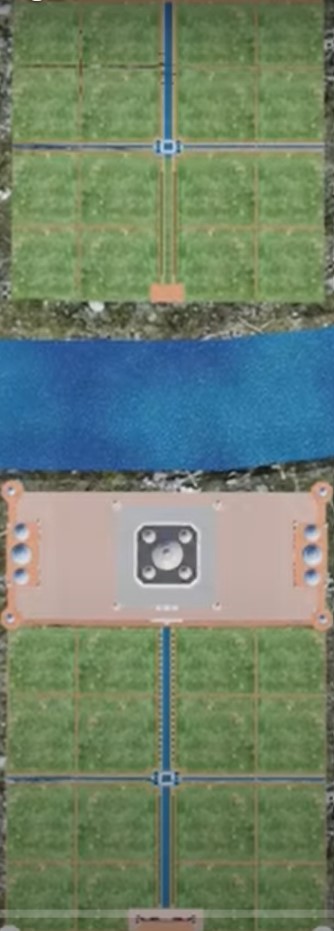
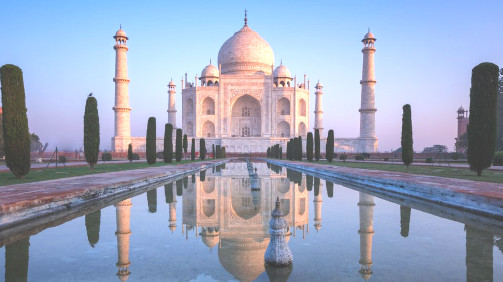
The Taj Mahal is the pinnacle of Mughal architecture, constructed with impeccable symmetry according to the period’s style. Minarets flank the domed tomb, and a central pool reflects the main building.
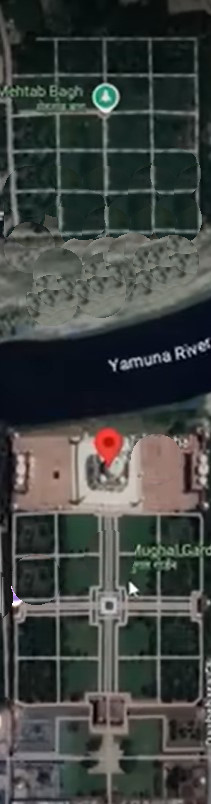
The gardens—an earthly representation of paradise—are divided into quadrants, and twin red sandstone buildings (an east-facing mosque and a west-facing guesthouse) give the whole complex a balanced harmony:

.png)
There is, however, one exception. Shah Jahan’s cenotaph is peculiarly positioned west of the central axis, throwing off the equilibrium. The odd placement has led many to believe he never meant to be buried there at all.
A 2nd, black-marble Taj Mahal was planned
Local lore has it that Shah Jahan intended to construct an identical but shadow image of the Taj Mahal hewn from black marble, across the Yamuna River, where he would be entombed. Its construction may have come to a halt after Shah Jahan was deposed by one of their 14 children, and imprisoned at the nearby Agra Fort: