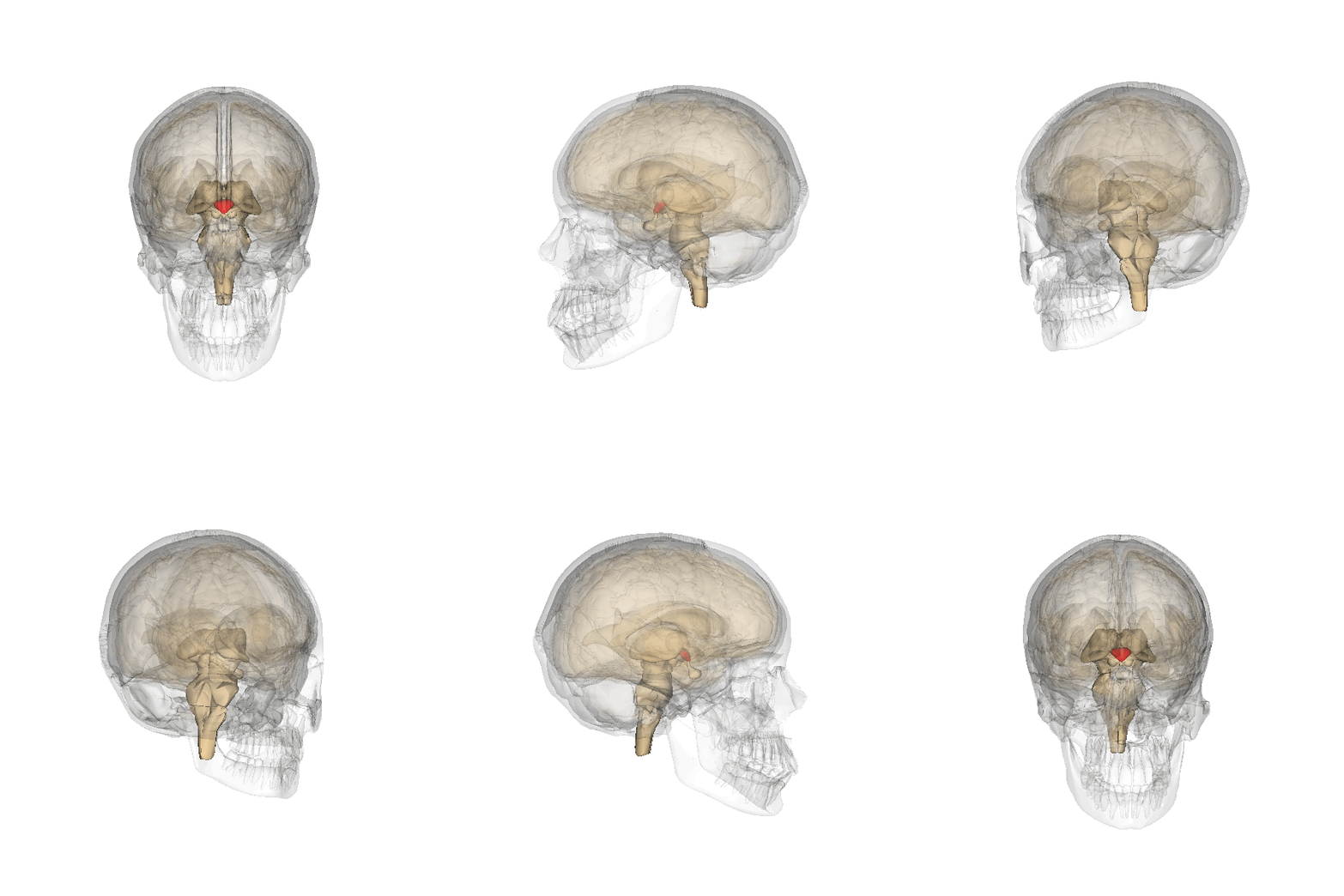
Hypothalamus
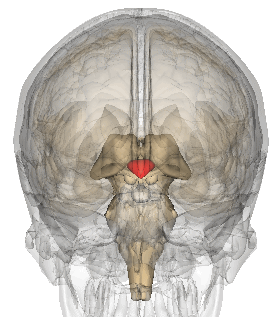
The hypothalamus is the small cone-shaped structure that plays a central role in controlling our ANS. It is also responsible for regulating homeostatic metabolic processes in the body, such as sleeping, appetite, thirst, blood pressure, body temperature, and electrolyte balance.
It controls the nervous system by regularly releasing neuro-hormones. Located under the thalamus, it interacts with the limbic system, endocrine system, and the ANS.
Only in male species all forms of aggressive behavior, and sexual behavior, are controlled by neurons that are intermixed and perform both functions. In females they exist on different sides of the hypothalamus.
Endocrine regulation with molecular substances, rather than neural impulses, is vital to metabolic function. It protects the tissues this way against micropredators such as viruses, bacteria, and parasites.
Unlike cold-blooded animals such as reptiles, mammalian bodies need to constantly maintain a strict set of metabolic conditions, by separating the internal chemistry from the chemistry of the surrounding world.
Metabolizing high-fructose corn syrup leads to obesity, as it prevents the hypothalamus from properly regulating the body’s appetite and punish/rewards circuits, unlike glucose.
It is regulated by neural and chemical signals from other brain regions as well as chemical signals from other body systems.
The hormone oxytocin is released during bonding experiences, like sex and social engagement. It creates a wide range of mental, emotional, and behavioral effects.
Studies suggest that boosting oxytocin in the human brain will indiscriminately promote a more trusting, friendly behavior, more empathy, more attuned to social cues, and more inclined to adjust behavior.
High levels of oxytocin or vasopressin, its more masculine counterpart, are produced by the body in response to sexual activity, cuddling or even the touch or close physical presence of a mate.
The latest findings suggest that the ‘love’ hormone oxytocin, which floods the body in response to orgasm, early romance, breast-feeding and childbirth, may act more subtly in us than has been widely understood.
High levels of testosterone inhibit oxytocin release. Tests showed that oxytocin production is favoring staying over straying behavior among monogamous men.
The finding that one’s relationship status affects how oxytocin affects the brain provides evidence that our brains evolved to form long-term romantic relationships.