Silicon- vs Carbon-based Life


Stone is a bridge between silicon and carbon life forms.

Rocks consist of pieces of ragged stone with fiber columns reaching the skies.

Could a mountain be a pile of loose waste with possible chemical waste inside it?

Chemical reactions can lead to eruptions!

Could planet Earth be a giant quarry waste pit?

Grand Canyon: Shock explosive impacts on the silicon vegetation?
Silicon-based life forms:


Giant Silicon Hexagonal Tubes (N-Ireland)

Silicon era tree stump (?) comprising of
40,000 interlocking basalt columns
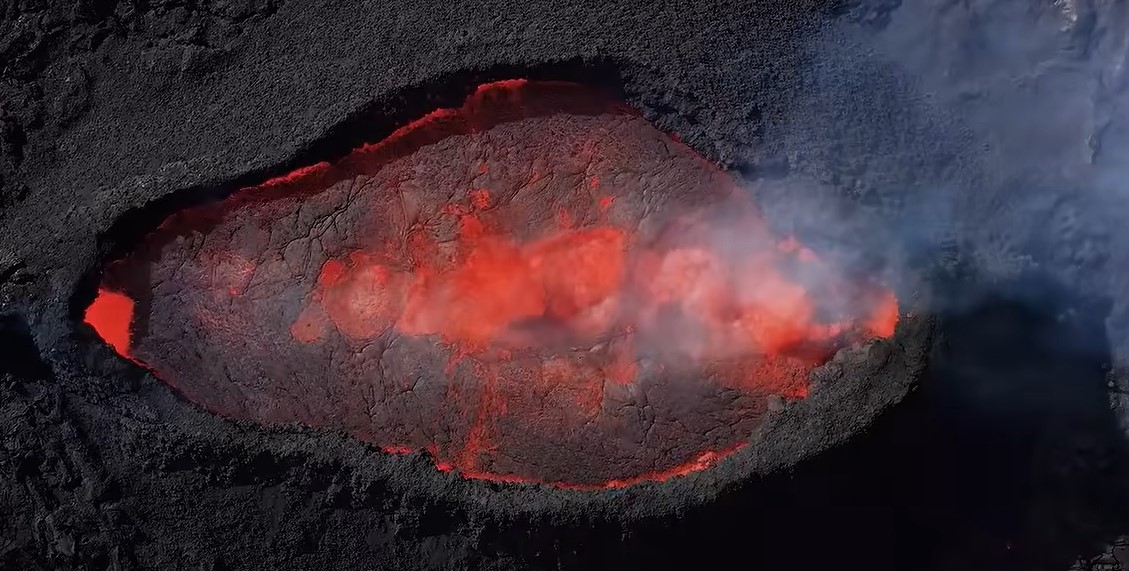
Volcanic Basalt and its fiber finish:
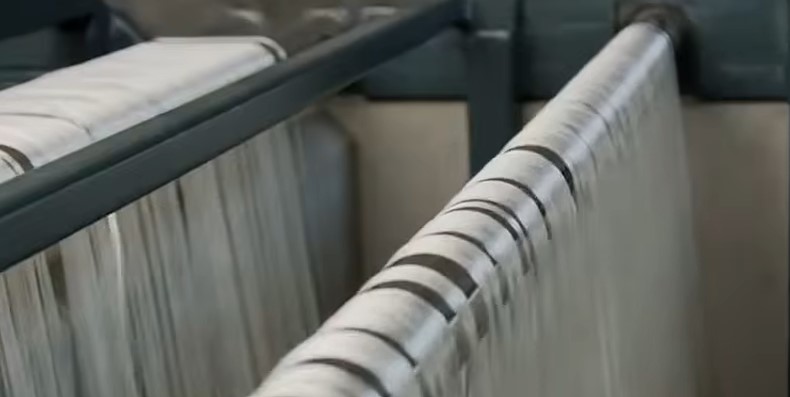
Basalt fiber is a material made from volcanic rock, is becoming strategically important because of its combination of strength, light weight, corrosion resistance, electrical insulation, radar invisibility, and relatively low production cost.
China studied what the Russian Soviet-Union had developed in the 19thC in this field, and took all that to develop their own version. It created a quasi-monopoly in basalt fiber production through large-scale manufacturing, low costs, specialized equipment, and decades of experience.
Important applications: military facilities and coastal infrastructure. Basalt fiber will replace steel reinforcement because it does not rust and is resistant to saltwater. Its ability to allow radar signals to pass through, is very useful in military radar-transparent structures, etc.
Clean-energy transition: Basalt fiber is used in offshore wind turbine blades because it combines strength and relatively low weight while offering environmental advantages over alternatives. It is also used for electric vehicles, where lighter structural components could reduce vehicle weight and potentially increase battery range.
China’s position in its supply chain: As Western countries increasingly adopt basalt fiber for bridges, ports, wind turbines, electric vehicles, and other infrastructure, they could become increasingly dependent on Chinese manufacturers, such as is the case with rare-earth materials.
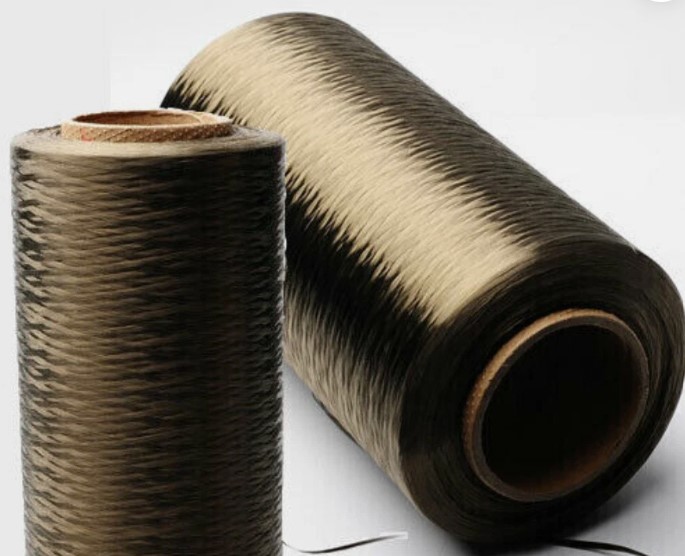

Cement:
Limestone, clay, plus other elements like iron, are heated to 2700°F. Then cooled, crushed, and ground to a super fine powder, called cement. When added to sand, water, micro-silica, and crushed rock, the cement reacts exothermal, thereby creating nodes that fluidly connect together covering the rock and sand particles, thus forming a very dense, hi-strength concrete.
If adding photo-catalytic particles, the light of the sun will cause them to mix with the acids in the air that attach themselves to the concrete, then absorb and neutralize these acids, thus preventing staining the original color: a pollution eating form of concrete.
Adding finely crushed recycled glass pieces to a specific non-corrosive concrete mix, creates marble-like blocks that can be polished. Daylight can shine through a concrete block if glass-fiber particles are added.


Hexagonal Silicon Columns (Devils Tower Wyoming, 262 m)
According to Lakota Legend, several girls were chased by giant bears. They climbed atop this rock, and asked the Great Spirit to save them.
He made the rock rise toward the heavens, like a giant tree. When the girls reached heaven, they transformed into the stars of the Pleiades.

Stars of the Pleiades

Are Stars spheres of gas and red-hot boiling rock?


Dolomite: CaMg(CO3)2 limestone crystals:
Carbon-based life forms:

flaxstem fiber cross section
Human beings are mortal, carbon-based life forms, operating in a bi-polar, trauma-based consciousness:

nerve fiber cross section

Carbon-based diamonds can be used to encode data in the form of defects which lasers can read, write, erase and rewrite, surpassing data storage technologies.


Current density of trees: black=desert; yellow=potential tree areas