Lectins
What are lectins?
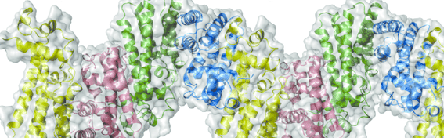
Lectins are a type of protein that can bind to cell membranes. They are sugar-binding and become the “glyco” part of glycoconjugates on the membranes. Lectins offer a way for molecules to stick together without getting the immune system involved, which can influence cell-cell interaction.
Lectins are abundant in raw legumes and grains, and most commonly found in the part of the seed that becomes the leaves when the plant sprouts, aka the cotyledon, but also on the seed coat. They’re also found in dairy products and certain vegetables. While lectin content in food is fairly constant, the genetic altering of plants has created some fluctuations.
Lectins in plants are a defense against microorganisms, pests, and insects. They may also have evolved as a way for seeds to remain intact as they pass through animals’ digestive systems, for later dispersal. Lectins are resistant to human digestion and they enter the blood unchanged.
Why are lectins so important?
Lectins are thought to play a role in immune function, cell growth, cell death, and body fat regulation.
Ingesting lectins can cause flatulence. Consuming legumes and grains in their raw form can even result in nausea, diarrhea and vomiting. Therefore, researchers speculate that many apparent causes of bacterial food poisoning may actually be lectin poisoning.
While many types of lectins cause negative reactions in the body, there are also health promoting lectins that can decrease the chance of certain diseases. The body uses lectins also to achieve basic functions, incl. cell to cell adherence, inflammatory modulation and programmed cell death.
The effects of dietary lectins only extend for as long as they are in the body, and the effects can be reduced by eating a variety of fruits, vegetables (rather than high amounts of one type) and foods with beneficial bacteria (e.g., fermented foods).
The GI (gastrointestinal) tract is an organ system within humans and other animals which takes in food, digests it to extract and absorb energy and nutrients, and expels the remaining waste as feces.
As food passes through the gut, it causes very minor damage to the lining of the GI tract. Normally the cells repair this damage rapidly. Since the purpose of the gut lining is to let the good stuff past and keep the bad stuff contained, it’s important for the cellular repair system to be running at full efficiency.
But lectins can blunt this reconstruction. Our cells can’t regenerate as fast as they need to in order to keep the intestinal lining secure. Thus, our natural gut defenses are compromised after the damage occurs and the gut can become “leaky,” allowing various molecules (incl. those we don’t want) to pass back and forth amid the gut wall. We may also not absorb other important things, such as vitamins and minerals, properly.
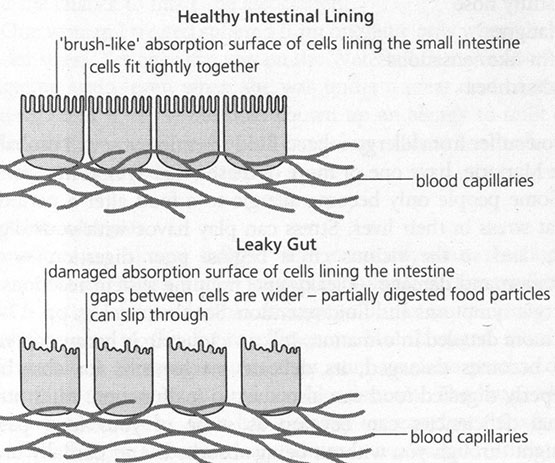
When enough lectins are consumed, it can signal our body to evacuate GI contents. This means vomiting, cramping and diarrhea. It’s similar to consuming large amounts of alcohol, which can damage the GI lining and cause GI evacuation.
How can we reduce or neutralize lectins?
Sprouting seeds, grains or beans decreases the lectin content. Generally, the longer the duration of sprouting, the more lectins are deactivated. In some cases the lectin activity is enhanced by sprouting (like alfalfa sprouts). The lectins in some grains and beans are in the seed coat. As it germinates, the coat metabolizes & eliminates lectins.
Soaking beans and legumes overnight, and change the water often. Drain and rinse again before cooking. Adding sodium bicarbonate (aka baking soda) to the soaking water may help neutralize the lectins further.
Fermentation allows beneficial bacteria to digest and convert many of the harmful substances.
This might be why the healthiest populations stick with fermented soy products like miso, tempeh, tamari and natto. Even some vegetables, such as cabbage, may have fewer antinutrients when fermented. Cultures with a history of grain eating traditionally have used some form of fermentation to treat grains. If you’ve had sourdough bread or beer, you’ve had fermented grains.
Not all lectins are completely destroyed by these methods, and some particularly stubborn lectins in beans remain no matter how lengthy the treatment. Thus, these techniques don’t totally reduce the negative effects for everyone.
Some have argued that since agriculture is a relatively recent invention, humans did not evolve to tolerate grains nor beans well in any case. For some susceptible people, consuming a “Paleo-style” diet, where carbohydrates come from fruits and vegetables, rather than grains and beans, may be more beneficial.
Therefore, it is better to reduce the consumption of:
- beans,
- grains,
- splenda,
- peanuts,
- peppers,
- potatoes,
- cashews,
- egg plants,
- tomato seeds,
- meats containing antibiotics.
They can be replaced by dark chocolate, walnuts, almonds, stevia, coconut milk, extra virgin olive oil, and a healthy combo of probiotic and prebiotic foods.
Certain seaweeds and mucilaginous vegetables have the ability to bind lectins in a way that makes them unavailable to the cells of the gut.
Lectins are resistant to dry heat, so using raw legume flours in baked goods should be done with caution.
The “Blood Type Diet” is based on how our blood cells react with lectins in foods.