Enteric Brain

Our gut possesses a separate brain, called the Enteric Nervous System, ENS, a grand network of 100-300 Mio neurotransmitters, neurons, and proteins found in the stomach, small intestine, esophagus, and colon.

The ENS has cells like brain-cells and a complex circuitry that acts independently, remember, and produce what we call gut feelings. Are you really OK with a situation before your intellectual understanding has sunk into your gut brain?

This elaborate and complex network is designed to monitor the digestion of the foods we take in. It sends and receives impulses to organs, and the head-brain via the vagus nerve.

Many disorders originate from problems in the Gut Brain. Constipation is often caused by stress signals from the head.

It is also the home of our four different feeling systems:

  1. spontaneous emotional response to an external event,
  2. (secondary) emotional responses to a past event that has been thought about and thoroughly reviewed,
  3. background feelings that occur when the feelings of #1 and #2 are not present. We are only aware of them when we check our body for ongoing sensations,
  4. when we deliberately feel an object or individual.

read more …

Similar Posts

  • Does the Form Follow EM-Fields?

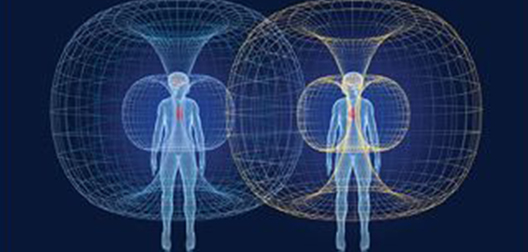
    Does Physical Form Follow EM Frequencies/Fields ? The Low-cost Long-lasting Liquid-Metal Battery Researchers from a wide field of disciplines have shown that electromagnetic (EM) fields, bio-fields and pulsed wave patterns influence the structure of the human body. The U.S. National Institutes of Health (NIH) established the term “Bio-field” in 1994. The Human Bio-Field (HBF) is…

  • Are Somatic Markers Islanders?

    Somatic markers are mostly located on the Insular Cortex (insula = island). This region integrates information from nearly every emotional and body state, like laughter, lust, pride, humiliation, etc. This is then sent to higher-order cognitive + emotional regions. This cortex reads body states such as fear, hunger and craving and makes the body reach…

  • The Fire Organs

    The Chinese Taoist cosmology is structured on five elements: fire, earth, metal, water, and wood. These five elements are the basis of Chinese metaphysics and philosophy and have practical applications including astrology, astronomy, feng shui, and the traditional Chinese medicine. Each element possesses distinct characteristics. The fire element is the most masculine of the five…

  • Bases in Codons

    The Nucleotide Base Twins:  Adenine  + Thymine =  A + T Cytosine   +  Guanine =  C + G Between the START and STOP codons in a gene, those codons that differ in the 3rd nucleotide, can still code for the same amino acid. It’s called a ‘wobble’ Has the genetic code dogma utterly failed?…

  • Gene sequencing

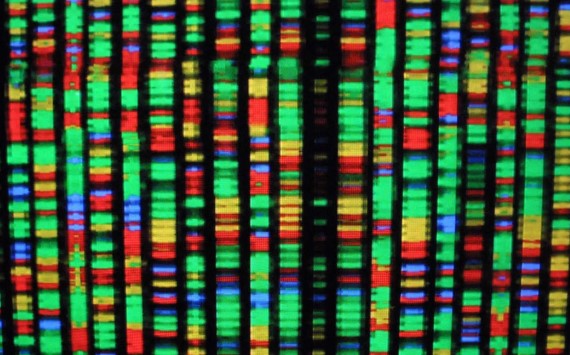
    Gene sequencing is a process in which the individual base nucleotides in an organism’s DNA are identified. It laid the foundation for the Human Genome Project, completed in 2003. Different genes are activated in different cells, creating specific proteins that give each cell type its trait. Gene sequencing is used to learn about the genome…

  • Gothic Theme Parks

    Gothic Cathedrals and major Churches in Northern France The Early Gothic Cathedrals of Europe Magnetic currents touching the Earth and telluric currents snaking up from the depths of the terrestrial strata, bring life that fructifies Earth & Man. Such places used to be marked with tall stones, called Dolmen & Menhirs, that localized and condensed…