Bases in Codons
The Nucleotide Base Twins:
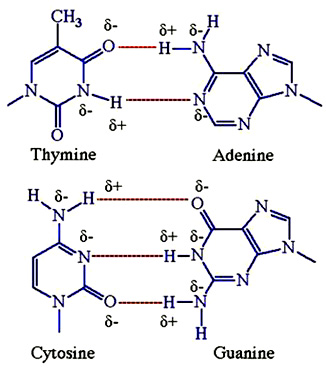
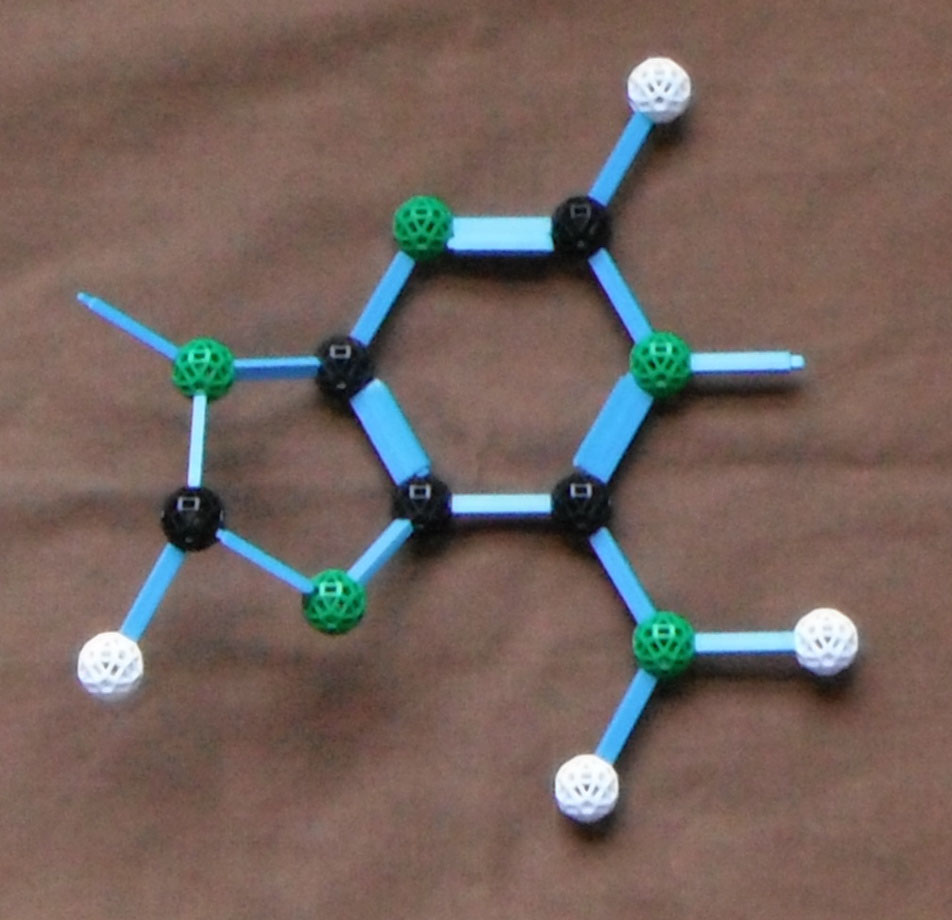
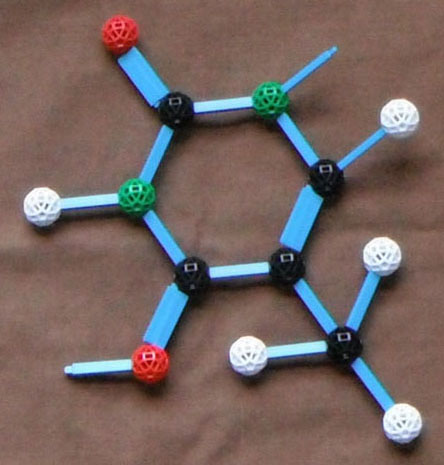
Adenine + Thymine
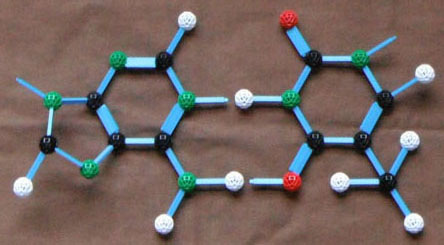 = A + T
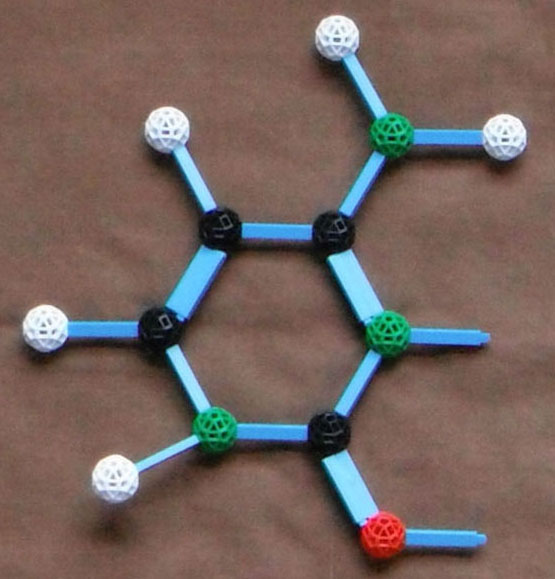
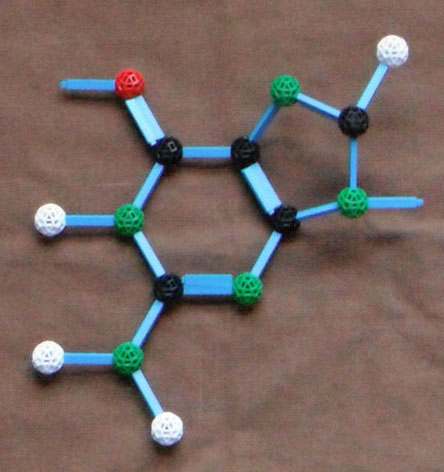
Cytosine + Guanine
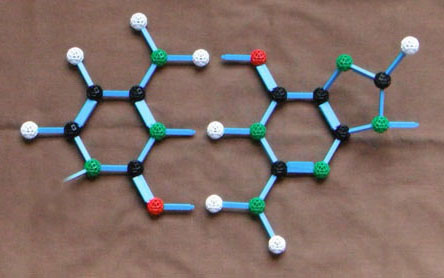 = C + G
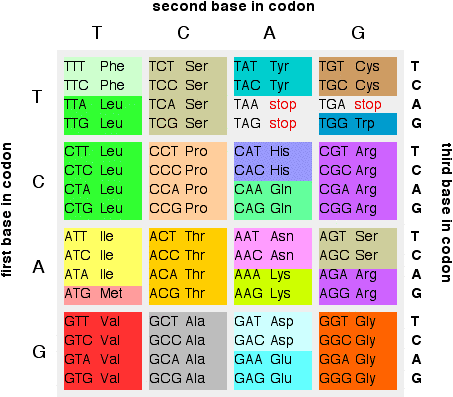
Between the START and STOP codons
in a gene, those codons
that differ in the 3rd nucleotide,
can still code for the same amino acid.
It’s called a ‘wobble’
Has the genetic code dogma utterly failed?
The above model is wrong because it does not explain the role of the 2nd half (32-64) of the codons. The 1st half of the codons (1-32) are codons-synonyms. The 2nd half (32-64) of the codons are codons-homonyms. They are not equivalent, thus the same codons can code different amino acids & stop-positions in protein bio-synthesis.
Thus, ribosomes can make mistakes while choosing amino acids & stop-positions (stops), however this never occurs. The major flaw in the above model is that it automatically implies an ambiguity of amino acids & stops encoding. In reality, there is no evidence of ambiguity. Then, why is the ribosome never mistaken?
Look at the context mRNA. The protein-synthesizing system allows the ribosome to choose the exact semantics of the codon-homonym and, therefore, amino acid and/or stop-position. If the system understands context, then the genetic apparatus has a semi-consciousness.
This gives other semantic vectors of the protein code, an opportunity to adapt to changing environmental conditions during its evolution and development, and the ability to produce pools of test proteins.
Misunderstanding and ignoring the strategic role of codon-homonyms has led to the protein pathogenicity of Genetically Modified Foods, which has led to the occurence of cancer and severe allergies.
Do we understand correctly the main principles of the embryo formation into an adult organism? No, we don’t.
Click here for answers.

B
The Perfect Code Theory?
The 1st step to a correct understanding of the genetic code, is to realize that nobody actually understands it.
Research has shown that the different shapes in organisms are caused by the hierarchic level and timing of switching a specific gene on or off.
In other words, how much of the gene is turned on or off and when, during the growth stage of an organism? Do you turn that gene section on or off? The answer is that another non-coding gene controls this switching on or off. It is called the hox gene.
The second step is to realize that the genetic code has a 3D shape and is a dodecahedral molecular language.
The third step is to realize that the genetic code is so complex that it will take many decades of good work to build a proper platform for actually understanding it.
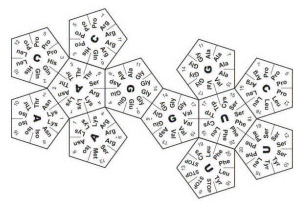
Maximum symmetry in the genetic code

- Q: The ideal form of a DNA molecule?
A: a double helix. - Q: The ideal form of the double helix?
A: a dodecahedron. - Q: The ideal form of the genetic code?
A: a dodecahedron. - Q: The ideal form of the cosmic lattice?
A: Cells shaped as dodecahedrons.