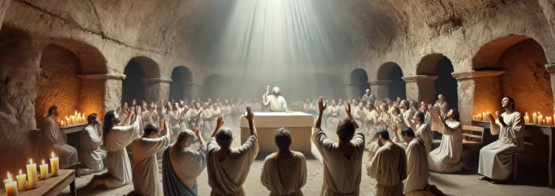
Burial site St Peter
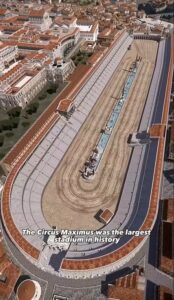
Circus Maximus
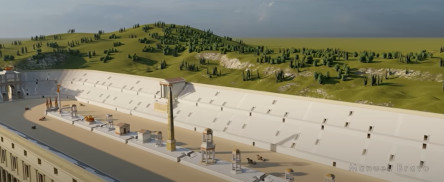
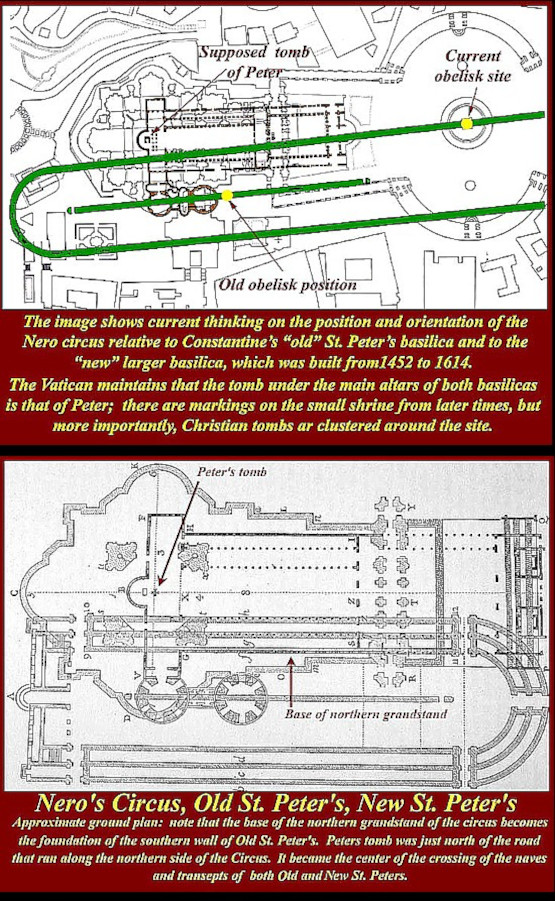
Circus of Nero with the Egyptian Obelisk,
that stands now at St.Peter’s square.
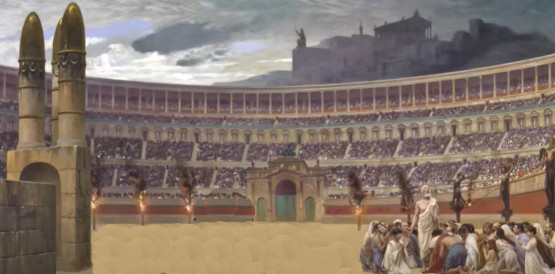 Peter crucified inside the Circus of Nero
and buried right next to the circus!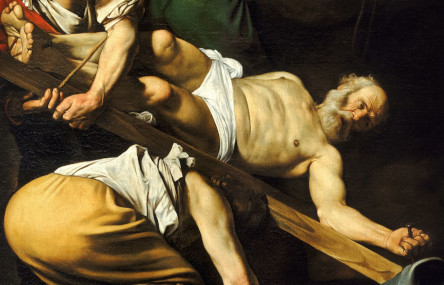
Only Peter can be seen
as Christ’s vicar on Earth.
No Catholic Pope or other Prelate
can claim the same.
Crucifixion and bones of St Peter:
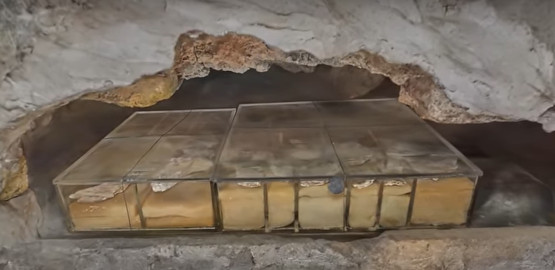
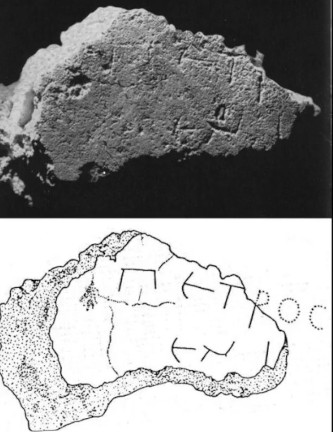
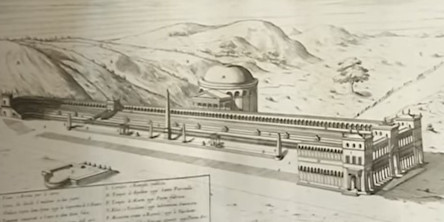
First dome over grave?
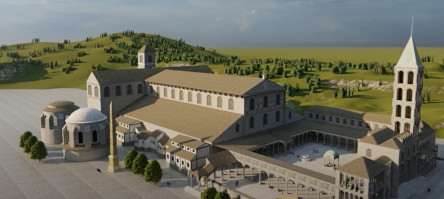
Constantine’s church in 370 AD:
In constructing the Old St. Peter’s Basilica, Constantine the Great made sure to erect the basilica on top of St. Peter’s resting place, in a necropolis. This extended the construction time from 320 to 350 AD, because the site was a hill.
New St. Peter’s Basilica placed
over the old church ≈1500 AD:
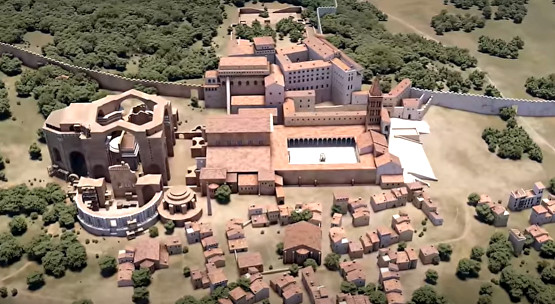
The old necropolis (carefully preserved) is some five meters below the floor of the present day basilica. The round building located next to the obelisk seems to predate the circus. Centuries later, it became the Chapel of St. Andrew.
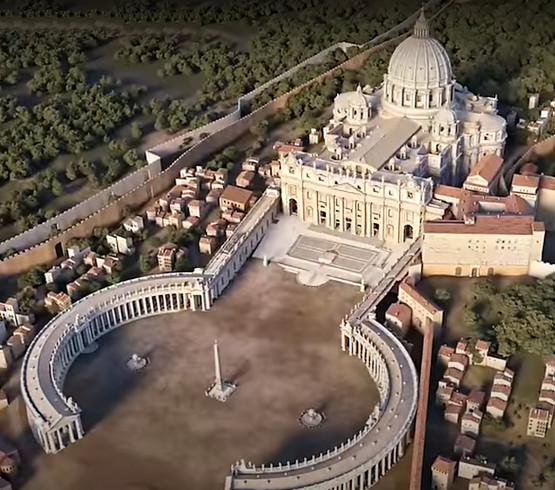
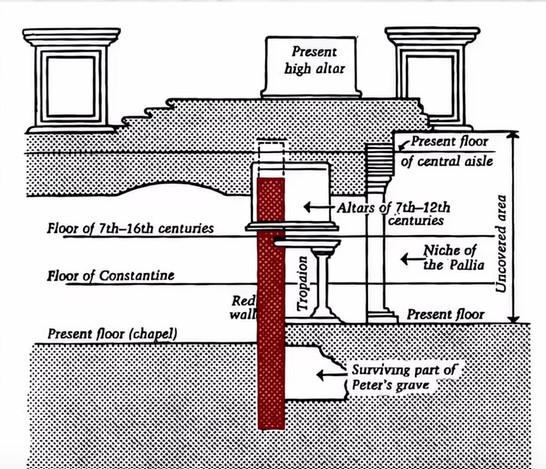
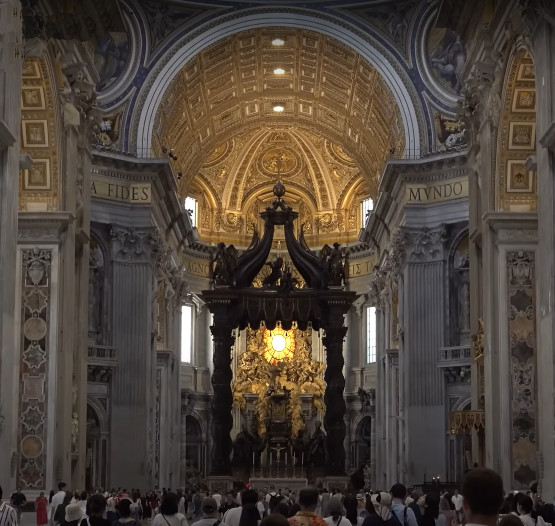
The transept crossing the nave
directly over the high altar,
which was one level up
and directly over the tomb:
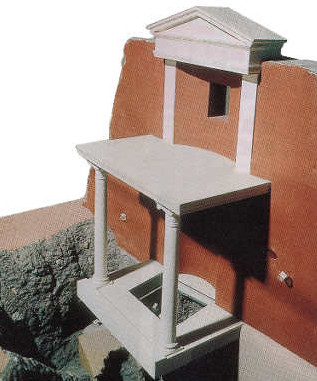
Sometime during the 3rd century, the first shrine was built over the traditional site of Peter’s grave, the Tropaion or Trophy. It was a small 2 level structure of marble built into an older wall covered with red plaster.
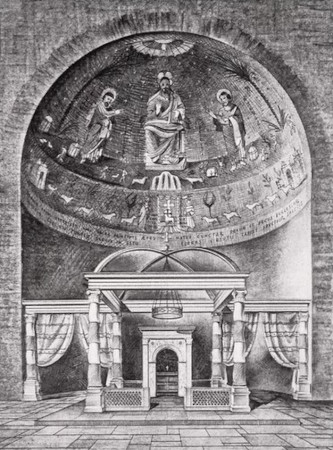
It stood in a courtyard, open to the sky, and accessible by narrow paths and steps down the slope and through the tombs. It was apparently a crowded place of pilgrimage.
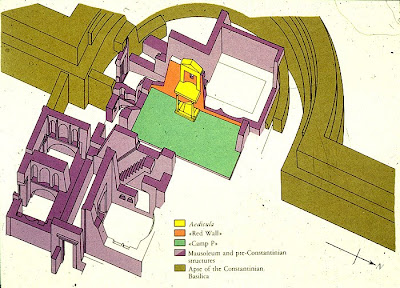
The Tropaion was designed for the early Christian ritual of the celebratory meal at a martyr’s grave; perhaps even for an early form of Eucharist. The small slab in the floor of the shrine is at an askew angle to the shrine itself. Does that reflect the original orientation of the grave in a poor people’s cemetery under more affluent later tombs?
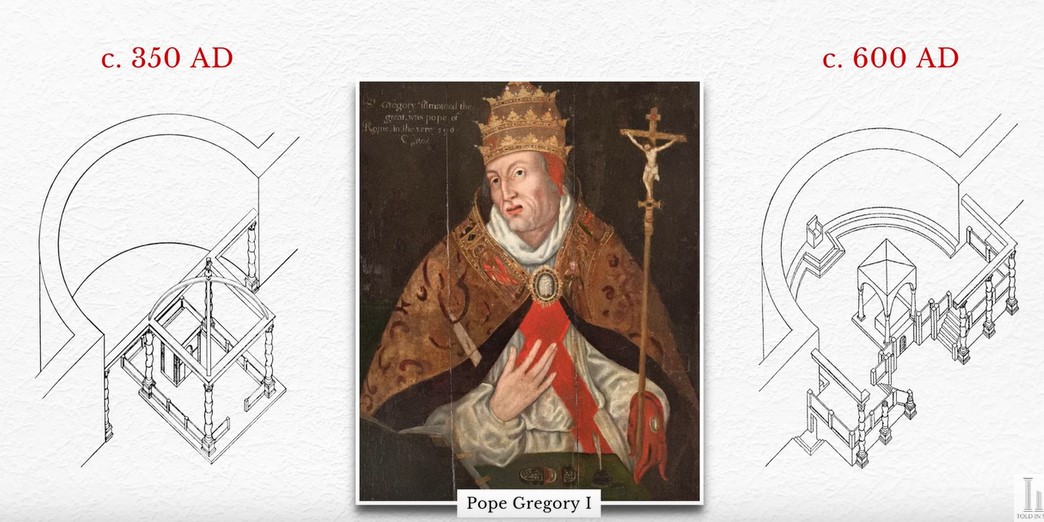
The courtyard before the Tropaion was crowded with later burials. Numerous early Christian graves were found lying in a radial pattern around this central shrine. The shrine itself was rediscovered in excavations ordered by 20thC Pope Pius XII.
On June 26, 1968, Pope Paul VI announced that the relics of Saint Peter had been discovered, plus nearby graffiti of Saint Peter‘s name, then claiming that he was buried there. On November 24, 2013, a portion of these relics were displayed publicly for the first time.
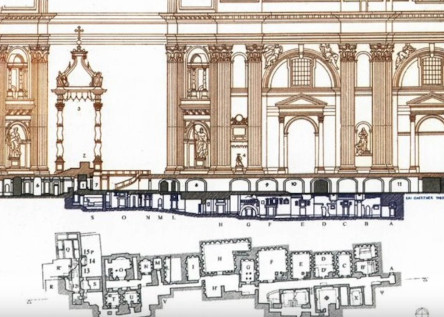
Vertical cross section:
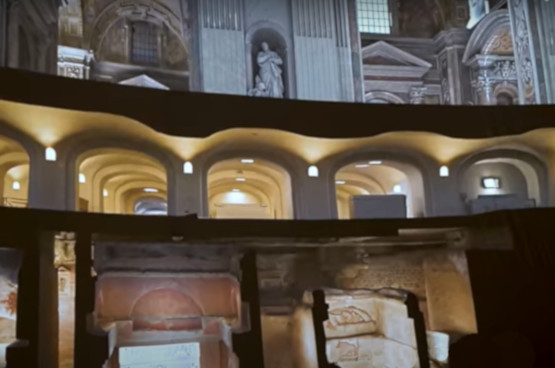
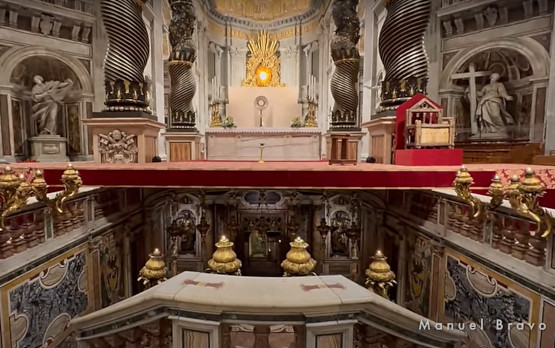
Confessio below the altar
below Bernini’s Baldachin: