Indian Rock Temples
Indian Rock-hewn Temples
There are over1,500 known rock-cut structures in India. These structures contain artwork of global importance, and most are adorned with exquisite stone carvings.
These ancient and medieval structures represent significant achievements of structural engineering and craftsmanship.
Unlike traditional structures that are constructed, these stone-cut monuments are hewn directly from natural rock, making them marvels of craftsmanship and engineering.
They are great representations of ancient Indian temples, showcasing intricate designs and deep spiritual symbolism.
The oldest rock-cut architecture is found in the Barabar caves, Bihar, which were built around the 3rd century BC:
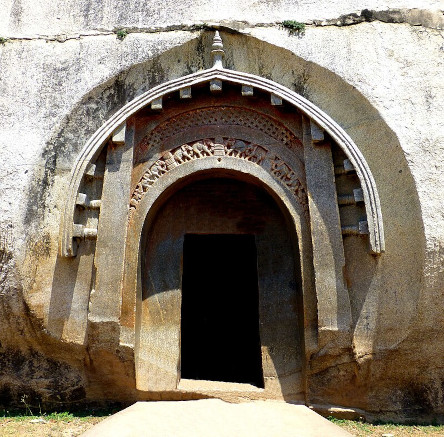
Gothic style carved cave entrance (250 BC) and
part of the sacred architecture of the Ajivikas,
known for its Niyati (“Fate“) doctrine, stating there is no free will,
because everything is preordained and based on cosmic principles.
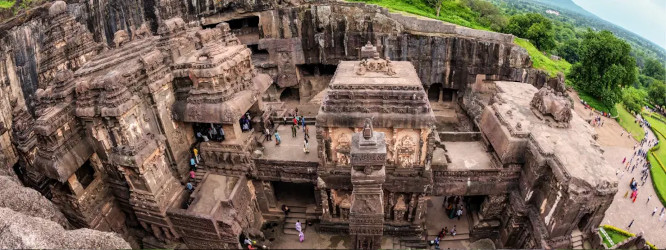
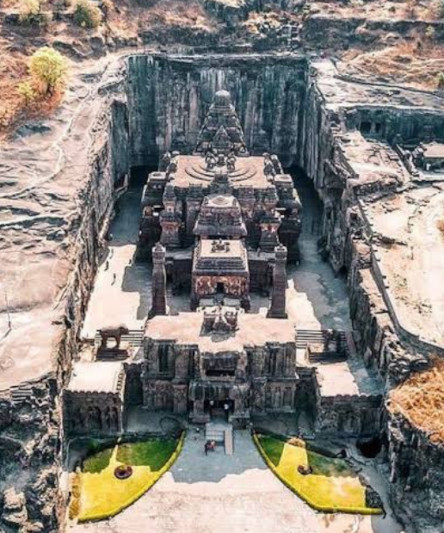
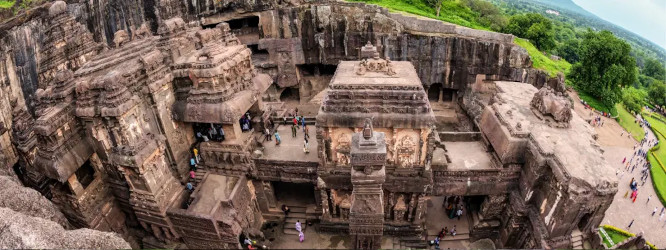
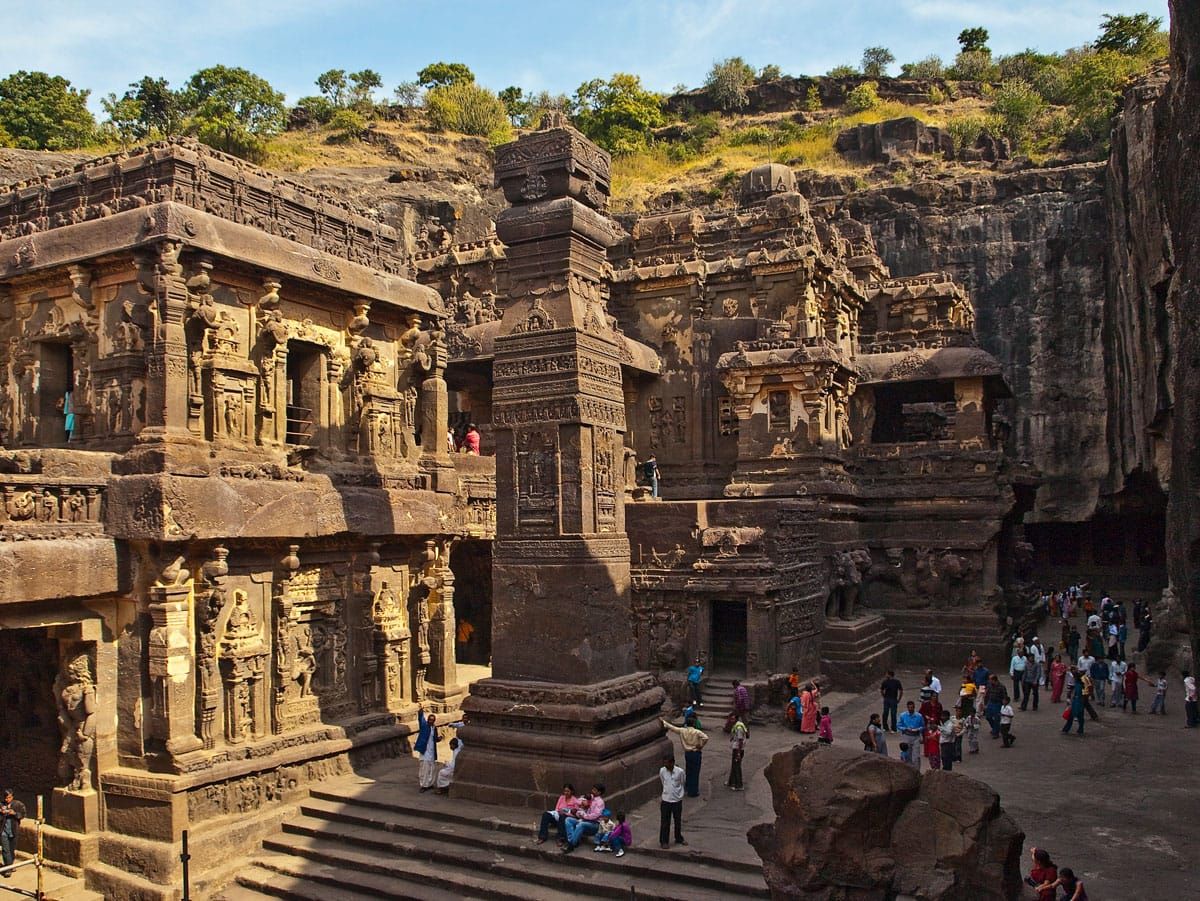
The Kailasa Temple at Ellora is carved out of a single rock and is considered the largest monolithic structure in the world. About 200,000 tons of rock were removed to create this architectural wonder!
Mount Kailash is a Himalayan mountain.
The 9 most famous Rock-Cut Temples in India are:
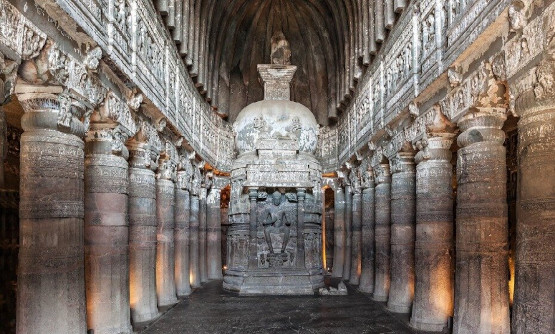
Ajanta Caves (Maharashtra)
Nestled in the hills of Maharashtra, the Ajanta Caves are a cluster of Buddhist rock-cut stupas and monasteries that have earned UNESCO World Heritage status. Renowned for their intricate paintings and sculptures depicting Jataka tales, these ancient monuments offer a breathtaking insight into Buddhist art and architectural ingenuity.
Ellora Caves (Maharashtra)
A marvel of multi-religious heritage, the Ellora Caves comprise of 34 Buddhist, Hindu, and Jain monuments. Among its gems, the Kailasa Temple stands out as the pinnacle of stone-carved architecture and spiritual dedication.
Elephanta Caves (Maharashtra)
The Elephanta Caves are famous for their Hindu rock-cut shrines, predominantly dedicated to Lord Shiva. The iconic Trimurti sculpture, a majestic three-headed representation of Shiva, continues to captivate visitors and art historians alike.
Badami Cave Temples (Karnataka)
Badami Cave Temples is a unique blend of Hindu and Jain rock-carved architecture. The intricate carvings of Vishnu and Shiva, set against the stunning backdrop of rugged cliffs, highlight the excellence of ancient stone workmanship.
Udayagiri and Khandagiri Caves (Odisha)
These caves, with their significant Jain heritage, offer an intimate glimpse into ancient Indian life through detailed inscriptions and carvings. Udayagiri and Khandagiri are invaluable for those exploring the historical evolution of Indian cave temples.
Varaha Cave Temple (Tamil Nadu)
This temple, dating back to the Pallava era, is celebrated for its rock-cut architecture depicting the Varaha avatar of Vishnu. The detailed reliefs and sculptures make it a must-see for connoisseurs of stone-cut monuments.
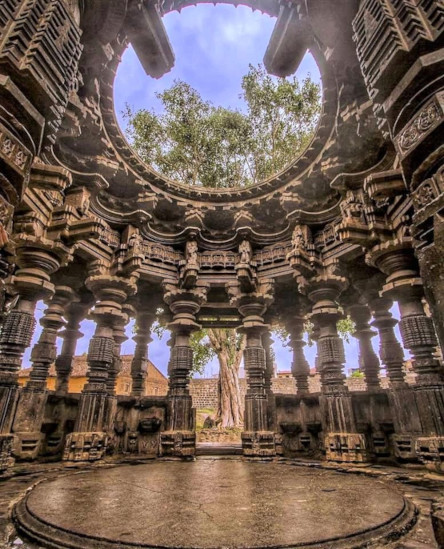
Masroor Rock-Cut Temple (Himachal Pradesh)
Hidden amidst the scenic Dhauladhar range, the Masroor Rock-Cut Temple is in a somewhat isolation and unique location add to its charm, making it a perfect destination for travelers seeking tranquility and heritage.
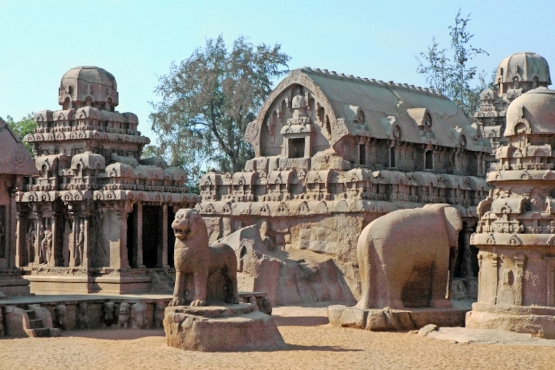
Pancha Rathas (Tamil Nadu)
Located in Mahabalipuram, the Pancha Rathas are a group of monolithic rock-cut structures that embody the Dravidian architectural style. Their UNESCO inclusion underscores their cultural significance and enduring allure.
Amarnath Cave Temple (Jammu & Kashmir)
Amarnath Cave Temple holds immense spiritual importance as a revered Hindu pilgrimage site. The natural ice Shiva Lingam formation inside the cave creates a mystic ambiance that attracts devotees and travelers from all over the world.