Protein Metabolism

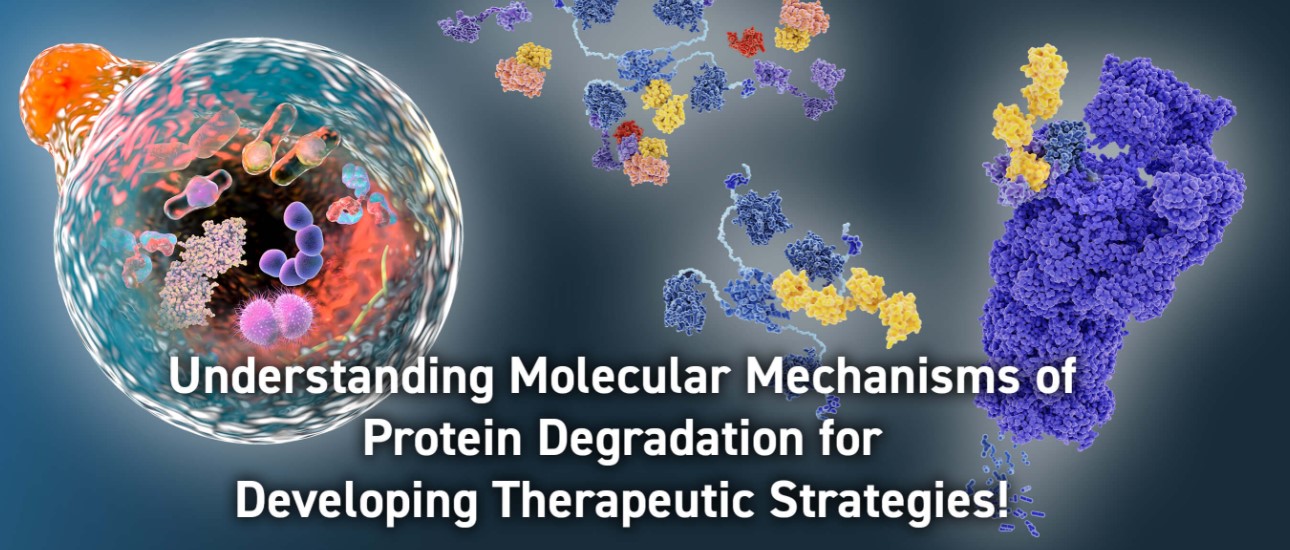
Dietary proteins are broken down into amino acids in the stomach & intestines: 1/3 is absorbed into the blood stream in the form of amino acids and 2/3 in the form of small peptides (peptide bonded amino acids).

About 1/4 of the amino acids released during protein breakdown are fully degraded. Thus, 3/4 are transported to various locations in the body where they are re-synthesized into the proteins required for muscle & connective tissue development, and enzyme & hormone formation, etc.

The majority of the body’s amino acid supply comes from breakdown (catabolism) of its own cells: 125-250g of body protein is broken down and re-synthesized each day. The average adult needs to consume 30-60g of protein/day to replace those amino acids that are normally metabolized.

Protein turnover is rapid (3-4 days) in some tissues, such as the liver and intestines, but slower (few months) for muscular proteins, bones and connective tissue.

Athletes require more proteins to compensate for more muscle protein synthesis, needed for the repair of any muscle damage from prolonged exercise.

Animals use nitrogen-containing amino acids from plant sources, as basic building blocks for the manufacture of proteins and nucleic acids.

Plant-feeding insects are dependent on nitrogen in their diet. The amount of nitrogen fertilizer applied to a plant can affect the reproduction rate of insects feeding on it.

Plants that produce the most proteins are:
1. Moringa
2. Spirulina
3. Sprouted Lentils
4. Edamame
5. Hemp Seeds
6. Pumpkin Seeds
7. Seitan
8. Chick Peas
9 Kidney Beans
10 Quinoa
11 Tempeh
12 Peanuts
13 Black Beans
14 Amaranth
15 Green Peas: lightly steamed
16 Brussels Sprouts: cut and roasted
read more ...

Similar Posts

  • Public Food Forests

    Before the modern era, a substantial portion of the Earth’s surface was covered in self-sustaining, perennial food forests—systems that produced fruit, nuts, and medicinal plants without cultivation, labor, or ownership. These systems, which functioned as communal food commons, were not gradually transformed through natural succession or agricultural evolution. Instead, they were deliberately and systematically enclosed,…

  • SOUL-SCIENCES

    ATTENDOLOGY The study of the soul’s attention energy Can an inverse perspective bring more balance, peace, and joy in your life…    even if it contradicts the prevailing perception? Click Image read more …

  • The unconverted You

    The 3 essential jewels of early Christianity Only the love-filled multi-D you, is responsible and accountable for all your thoughts, feelings, experiences, actions, together being your life’s script. Wake up, by studying Noölogy solitarily, so as to clearly see the nature of reality, and living that enlightened life following the insights you gained. End your suffering,…

  • Our Unique Edge?

    What makes our programs rise above the rest? Our world seems to be moving into a different Paradigm. If true, how are your current Productivity Improvement or Life Improvement methods working out for you? If this is only so-so, here is our vision for this New Paradigm: Rather than being trapped by complex decision making…

  • Vijaya Vittala Temple

    Vijaya Vittala Temple complex In Hampi, India, near the Tungabhadra River, is the grand Shree Vijay Vitthala Temple, a magnificent testament to the architectural prowess of the Vijayanagara Empire. Constructed in the 14th-15thC during the reign of King Krishnadevaraya II, the temple has undergone architectural evolution with each successive king adding their unique touch to…

  • Candida Containment

    Candida is very cunning, enigmatic, complicated, and involves many different factors. Of the more than 200 species of Candida, the one responsible for most infections and most prevalent, is Candida Albicans. The second most common is Candida Glabrata followed by Candida Tropicalis, Candida Parapsilosis, Candida Auris, and Candida Krusei, etc., etc. Within each species of…