Yongzheng Emperor
Under Yongzheng’s rule the finances skyrocketed, corruption was minimal, and political power was directly controlled by him. Country and people were prosperous.
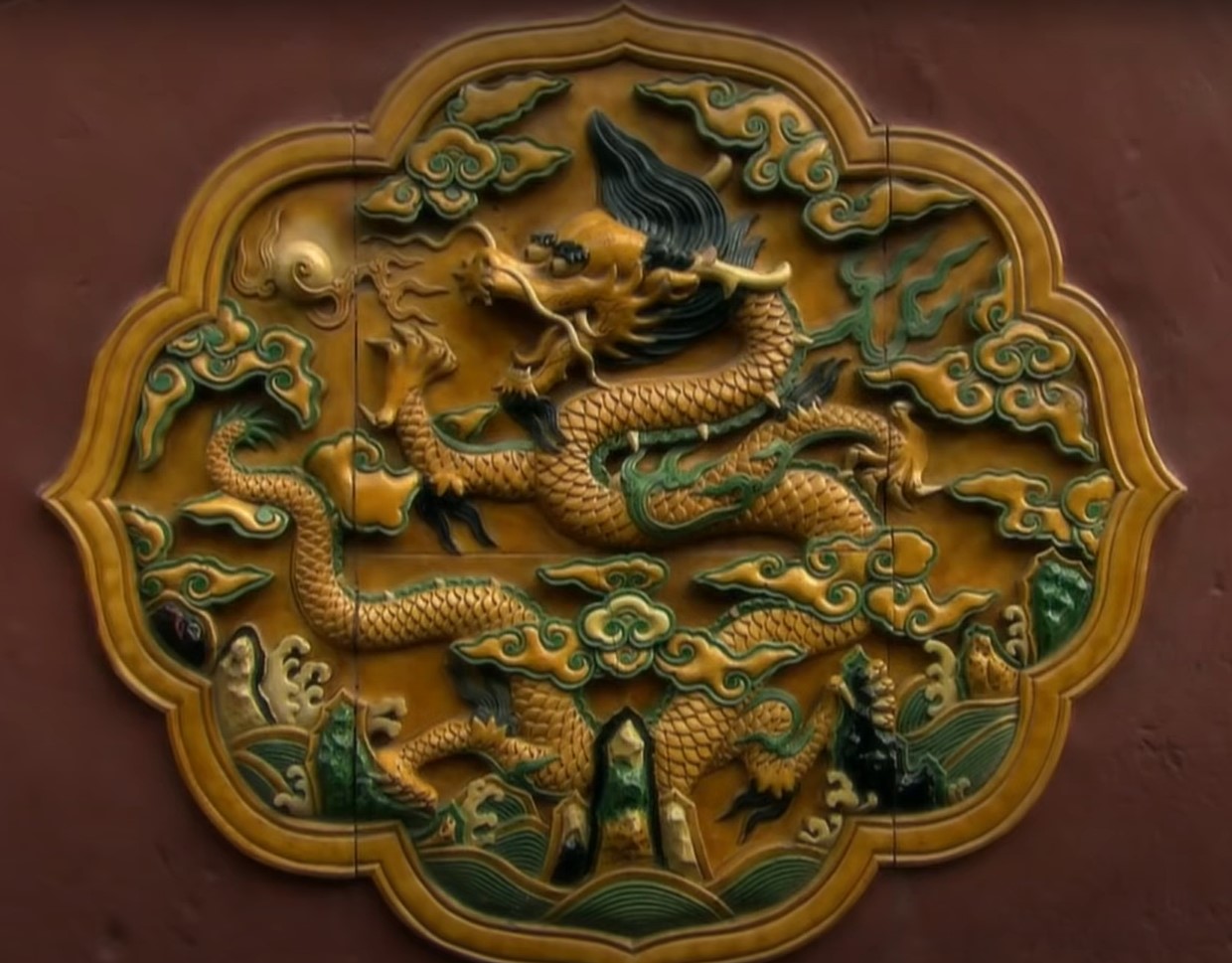
The Lama Temple was built in 1694 during the Qing Dynasty as the residence for the Yongzheng Emperor when he was a prince. After Yongzheng ascended the throne in 1722, half of the Temple was converted into a Lamasery – a monastery for monks of Tibetan Buddhism – the other half served as an imperial palace for the Emperors.
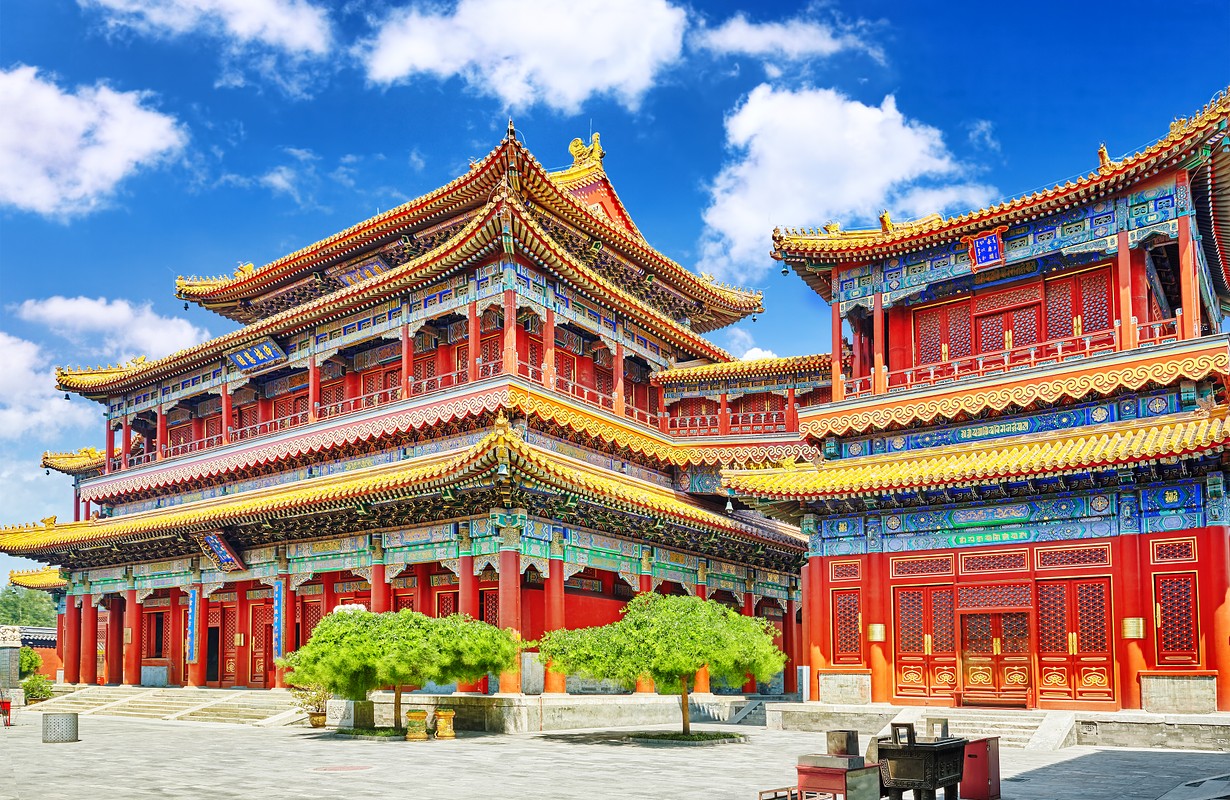
The Lama Temple, officially known as the Yonghe Temple, is a combination of Han Chinese and Tibetan architecture. It is the most renowned Tibetan Buddhist temple outside of Tibet.
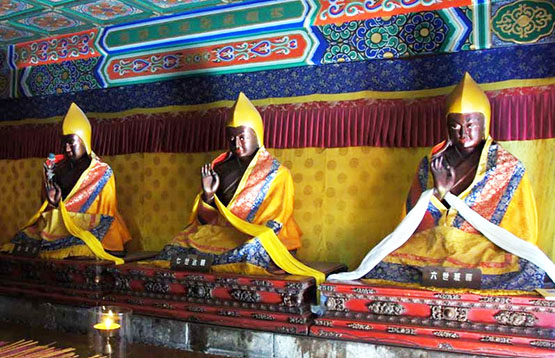
Located near the Forbidden City, this Temple is based on the Tibetan Buddhist school of Gelug, also known as the Yellow Hat Sect. Gelug has been practiced since the 16th century and was very popular with both North-Chinese and Mongolians.
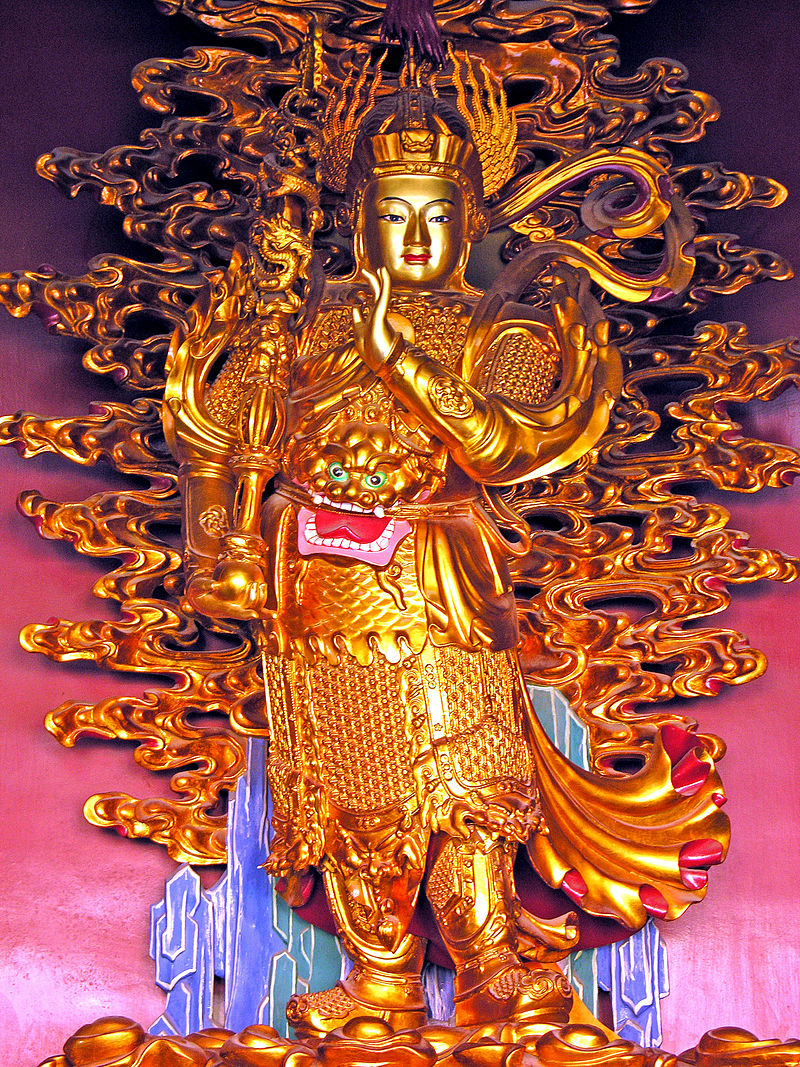
Golden Wei Tuo statue of Gelug school
After Emperor Yongzheng (“Harmonious Justice”) died, Emperor Qianlong converted all of it into a residence for large numbers of monks from Mongolia and Tibet. It became the national center of administrating Lamas.
The Yonghe Temple consists of 5 main halls separated by courtyards:
- the Hall of the Heavenly Kings (Tian Wang Dian or Devaraja Hall),
- the Hall of Harmony and Peace (Yonghegong),
- the Hall of Everlasting Protection (Yongyoudian),
- the Hall of the Wheel of the Law (Falundian), and
- the Pavilion of Ten Thousand Happinesses (Wanfuge).
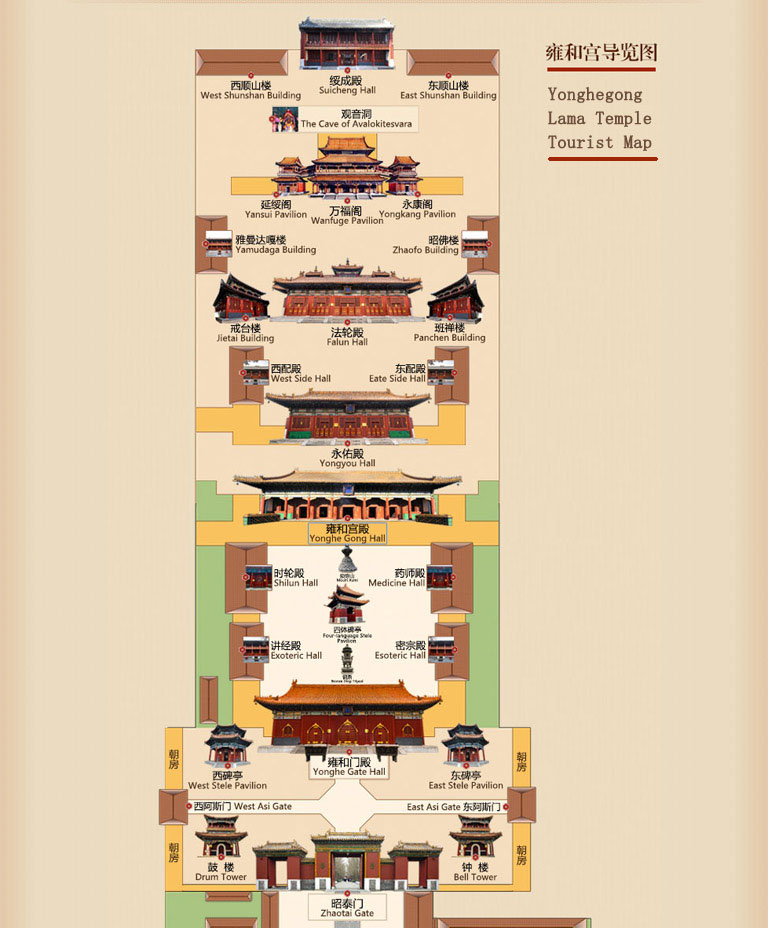
The 4 corners of the 1st courtyard have 4 wing halls where Buddhists study Exoteric Buddhism, Esoteric Buddhism, Tibetan medicine, geography, and astronomy.
Hall of the Wheel/Chakra of the Law
(Falun Hall 法轮殿)
Falun Dian is the temple’s teaching and assembly hall. This hall of the Wheel of the Law (Dharma) is the quintessence of Han and Tibetan cultures. In the middle of the Falun Dian, a smiling 6m-high bronze Buddha statue sits on a huge lotus-shaped terrace. It is Tsongkhapa, the founder of the Yellow Hat (Gelug) sect of Tibetan Buddhism. It took 200,000 silver taels (US$5 Mio now) and two years to finish the work:
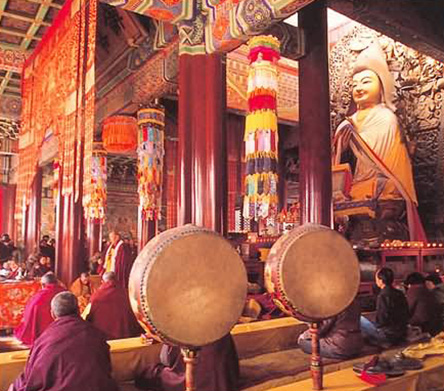
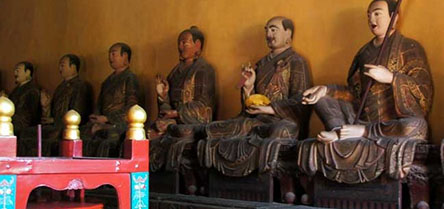
Behind it is the Mountain of 500 Arhats, one of the 3 greatest woodcarvings in China. It is 5m-high, 3.5m-long and 30 cm-thick. The whole mountain body is carved from sandalwood, on which are 500 Arhats made of gold, silver, copper, iron, and tin, in different postures. Opposite, is the wooden basin that was used to wash the body of Hongli, later Emperor Qianlong, the son of Yongzheng, 3 days after he was born.
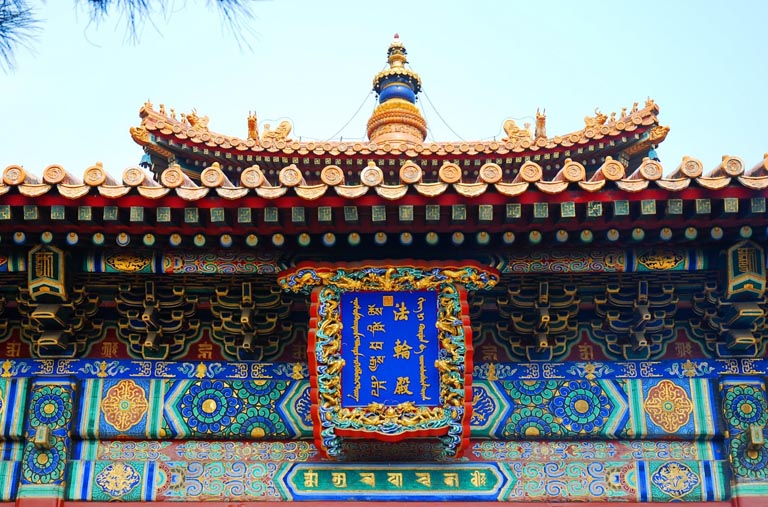
Glazed Pagoda on the Top of Falun Hall
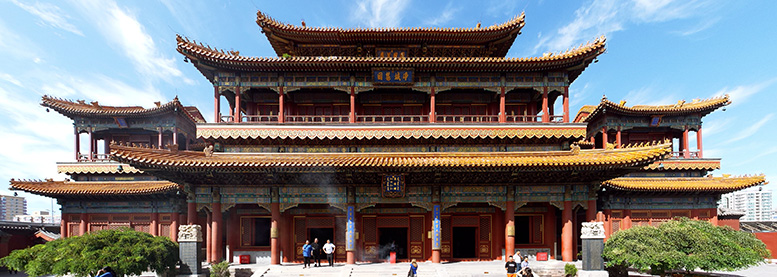
Ten Thousand Happiness Pavilion
Wanfuge Pavilion
Emperor Qianlong wanted to build a high tower as a protective screen, but where to find a sandalwood tree of such size? The 7th Dalai Lama found one in Tibet and sent it as a gift to the Emperor to express his thanks for putting down a rebellion in Tibet, that put him back in control.
In the main hall, a giant standing Maitreya Buddha is carved from the 26m-tall white sandalwood tree. The Buddha is 8m-wide and 18m-high. The remaining 8m is underground. It took 3 years to transport it from Lhasa to Beijing, and another three years for carving and erection. It was re-covered with 2,5 kg of gold foil in 1993.
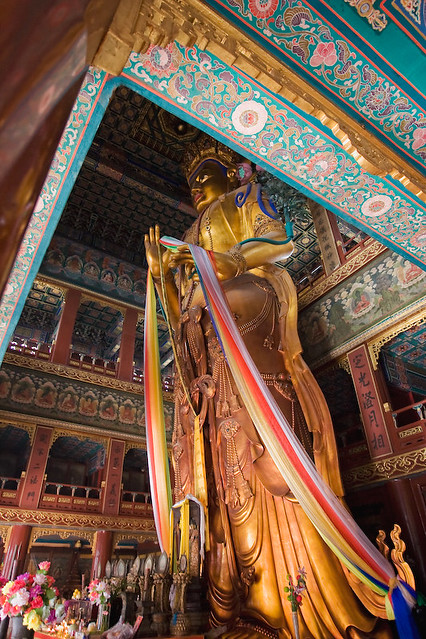
Behind it, there should be 10.000 small happy Buddhas on 3 stories. Hence the name, Ten-Thousand-Happiness Pavilion. The Pavilion is 25 m-high.
In the Zhaofo Building in front of Wanfuge Pavilion, is a Buddha niche made of stale-proof Nanmu (Chinese wood) carved with 99 lifelike dragons in an openwork method.
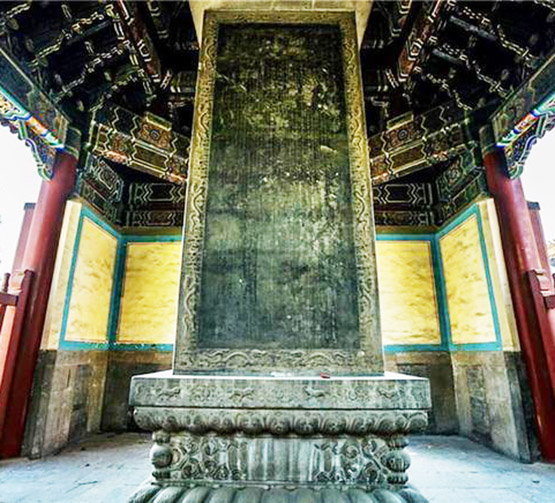
In the Imperial Stele Pavilion is a 6m-high stone tablet called The Discourse of Lama, engraved in Manchu, Han, Mongolian, and Tibetan languages. It is an article written by Qianlong in 1792 to elaborate on the policy of using a lot-drawing process with Golden Urn to pick reincarnated lamas including the Dalai Lama and Panchen Lama. It is part of his 29-Article Ordinance for:
the More Effective Governing of Tibet:
The Emperor Qianlong was born in the Yonghe Temple and studied and prayed there. Soon after ascending the throne, he ordered to change the turquoise tiles of the main halls to yellow tiles. This greatly enhanced its status because yellow was the color exclusive to emperors. This formal temple became a Tibetan Buddhist temple, still used by them today.
The Zhao Fo Building was a private Worshiping Hall used by Emperor Qianlong’s mother to worship Buddha. There is a bronze statue in a shrine, carved out of Nanmu wood from S-China. The 3-layered shrine has 99 large and small dragons carved on it. It is 1 of the 3 Masterpieces of Wooden Sculptures in the Lama Temple.
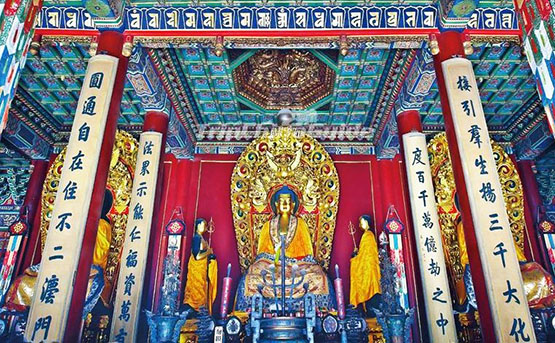
The Bronze statue of Sakyamuni, with two disciples Ananda and Kasyapa standing on both sides, is a unique carving with the water fold in his clothes like ripples in the water, called water-ripple garment. It is said that before Sakyamuni returned to heaven, the ordinary people wanted to look at his graceful bearing with reverence.
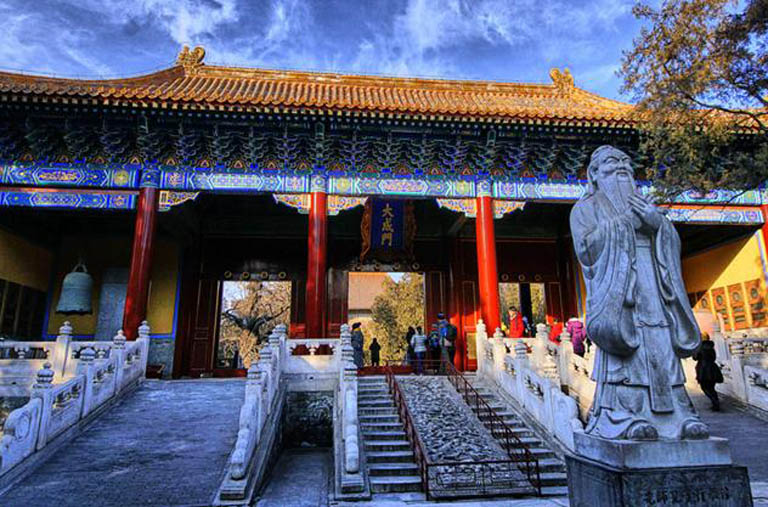
The Confucius Temple is close to the Lama Temple. Confucius (551–479 BC) is China’s greatest philosopher and educator, thus worshiped during many dynasties.
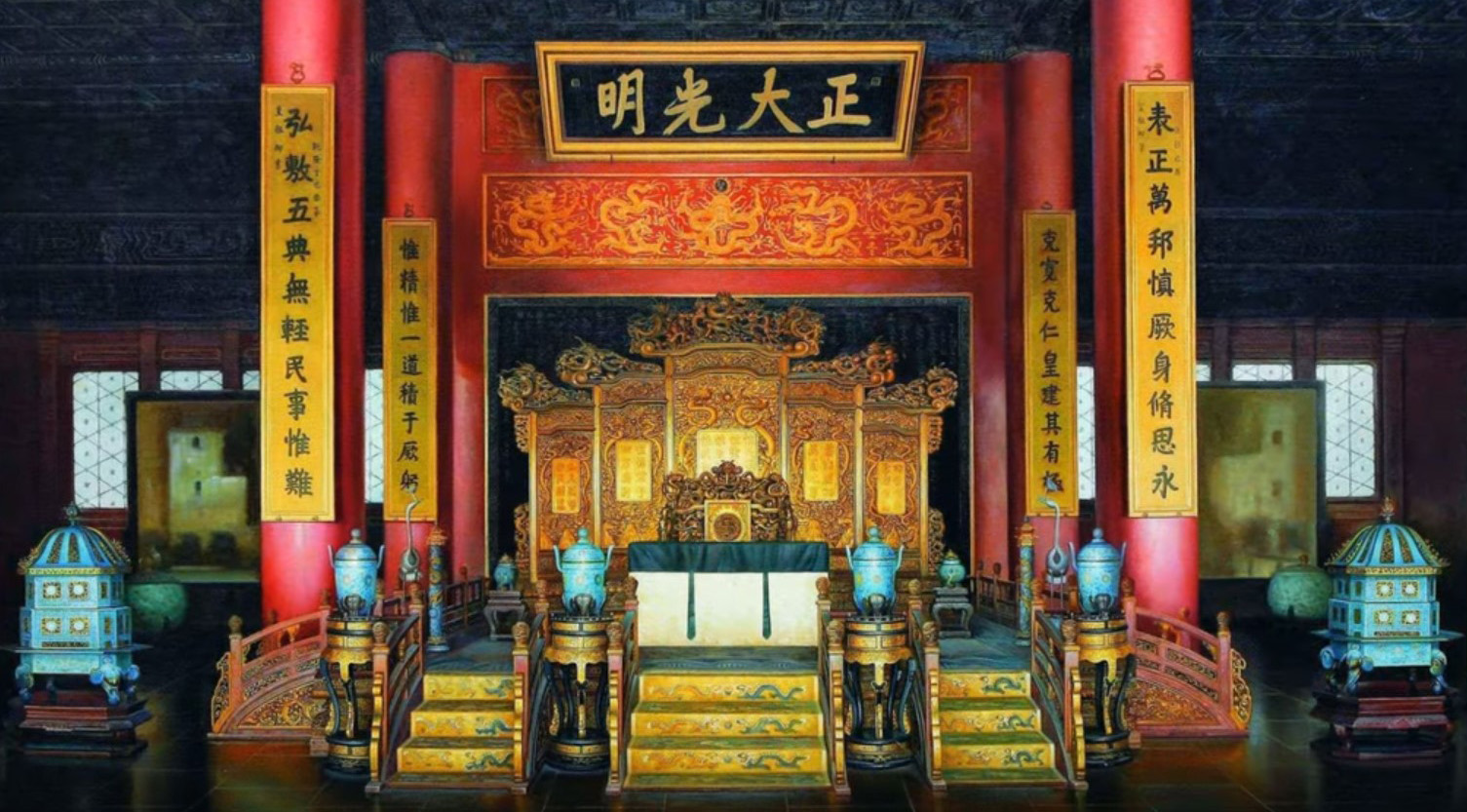
Yongzheng’s throne
in the Palace of Heavenly Purity
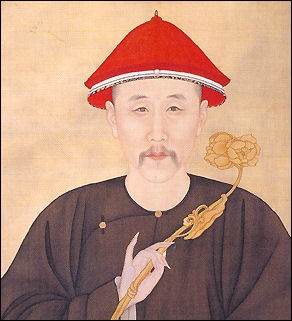
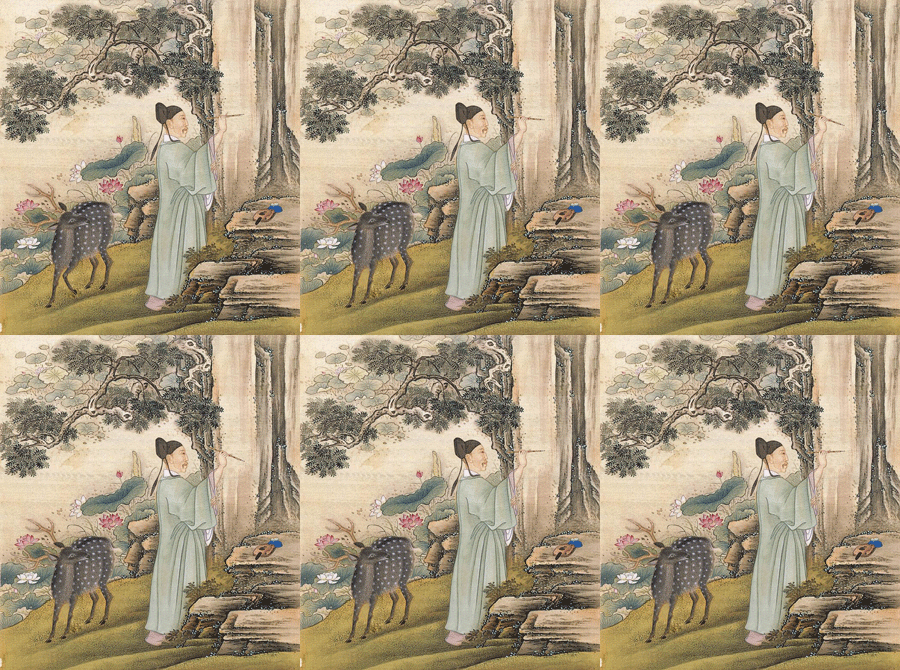
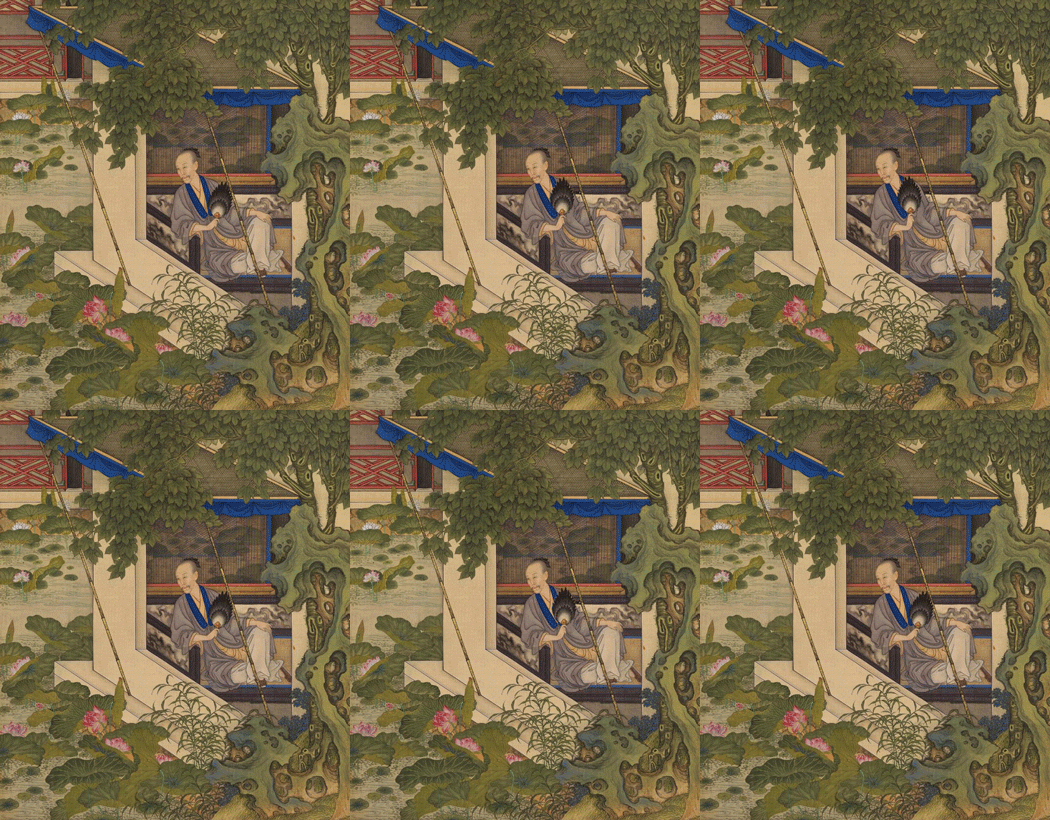
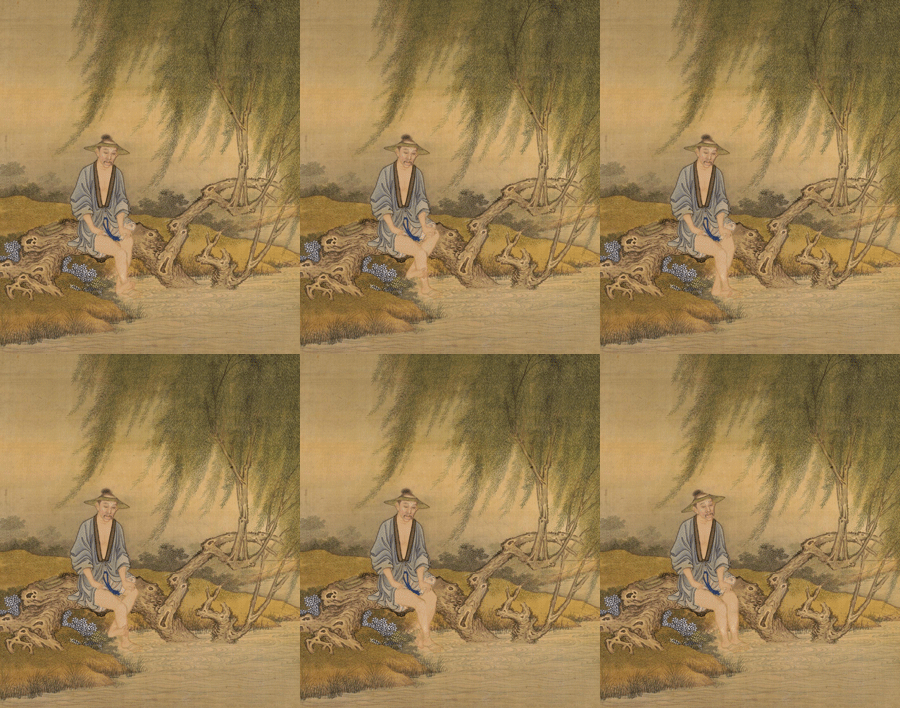
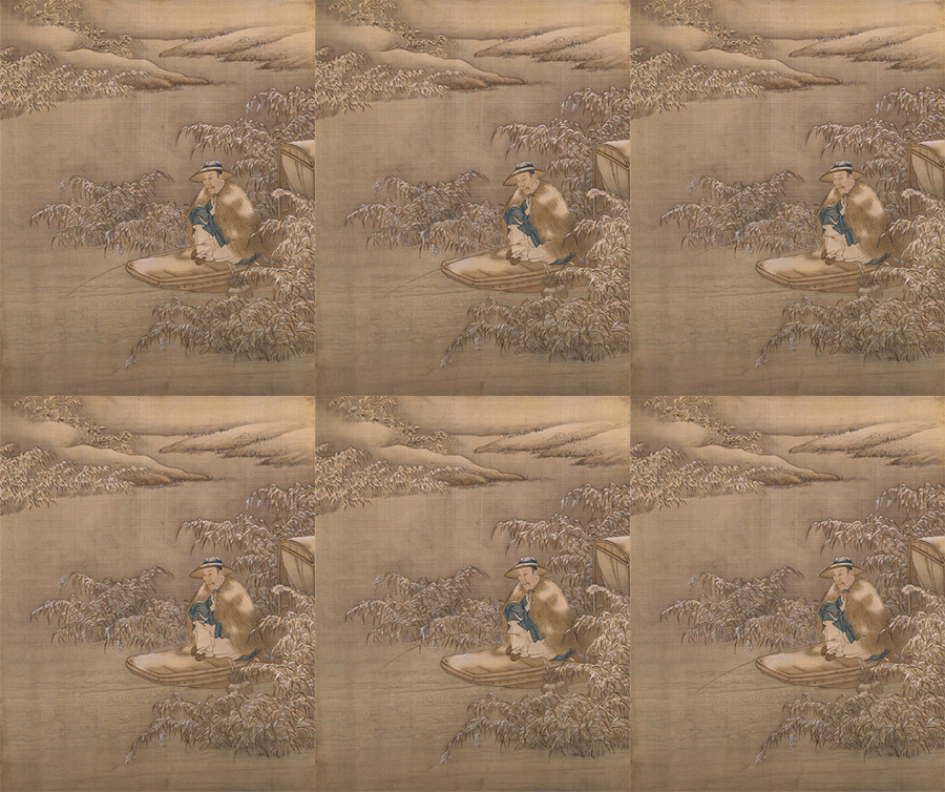
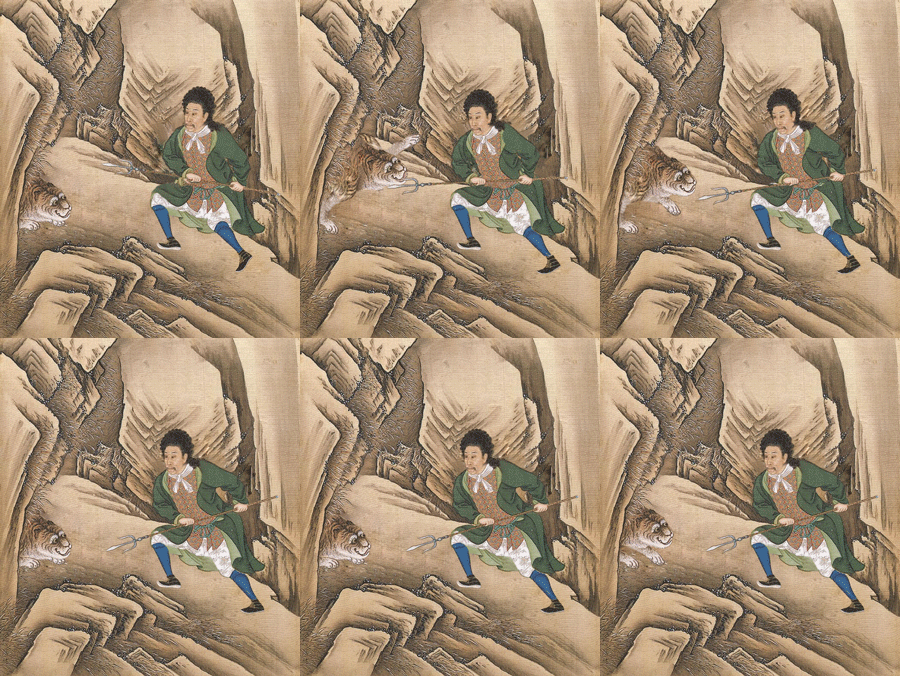
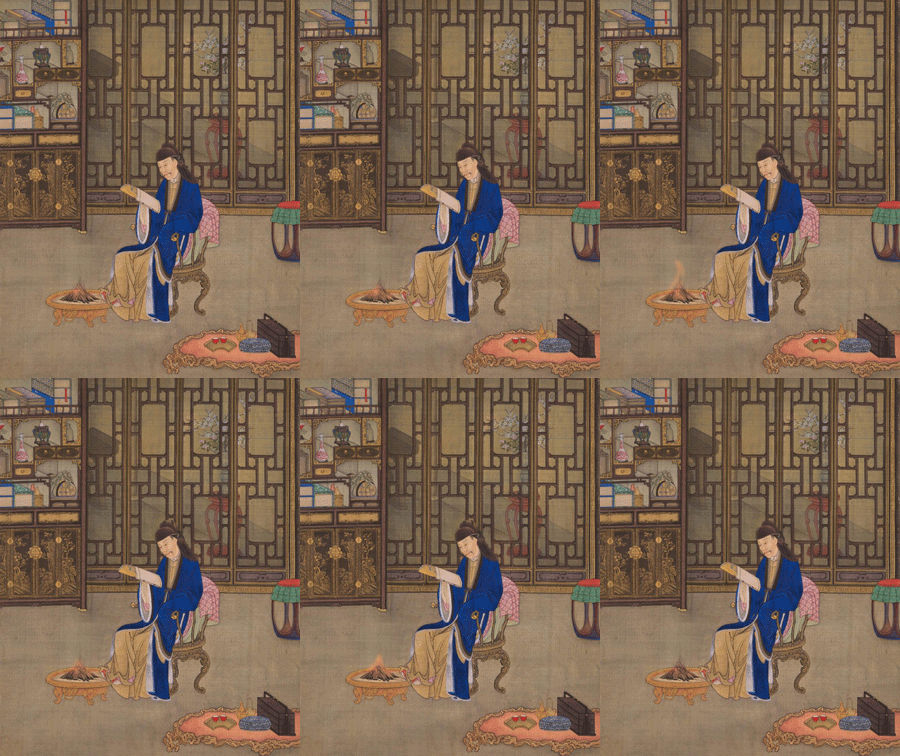
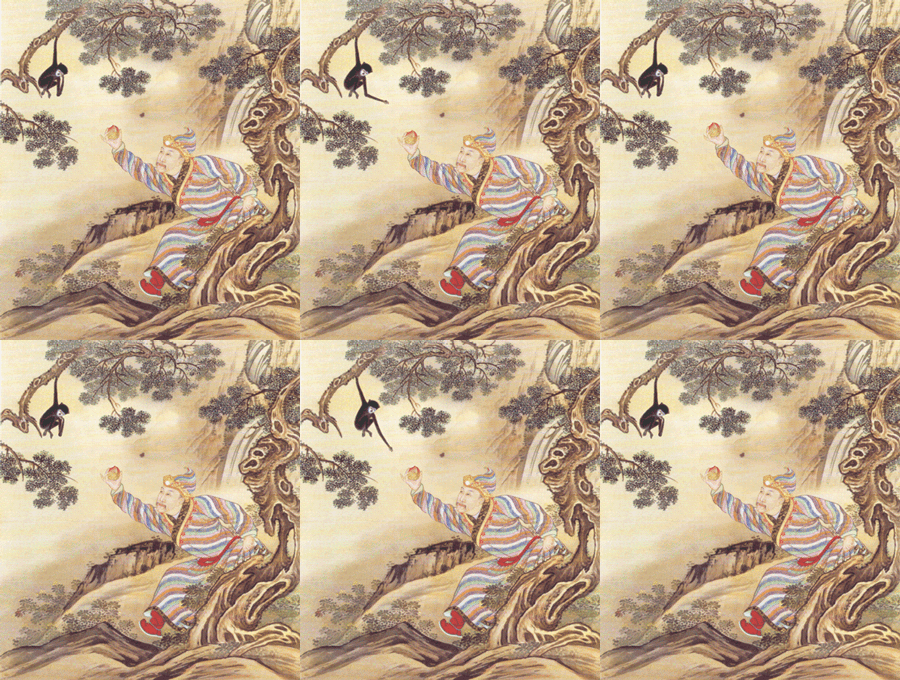
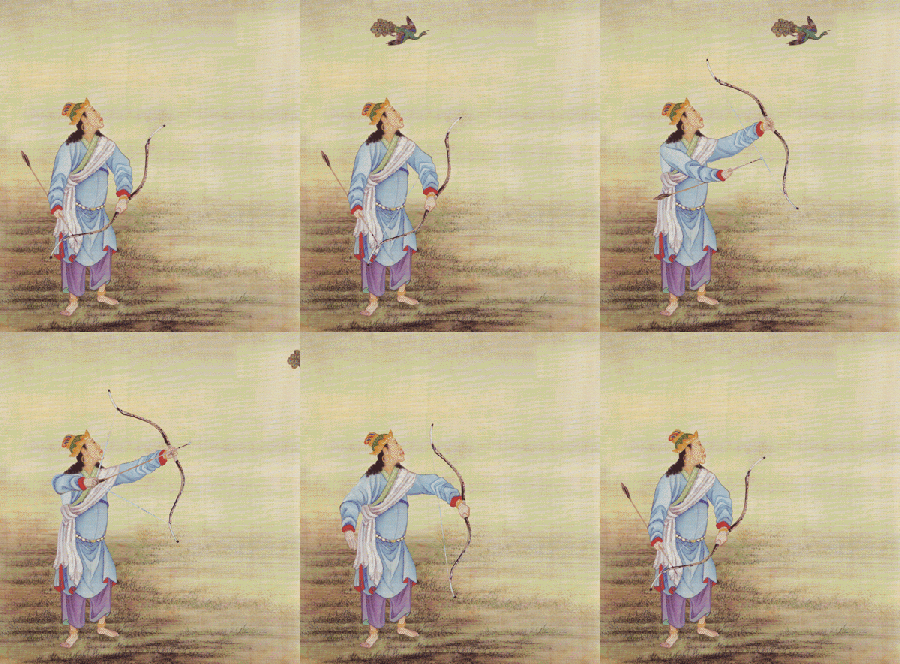
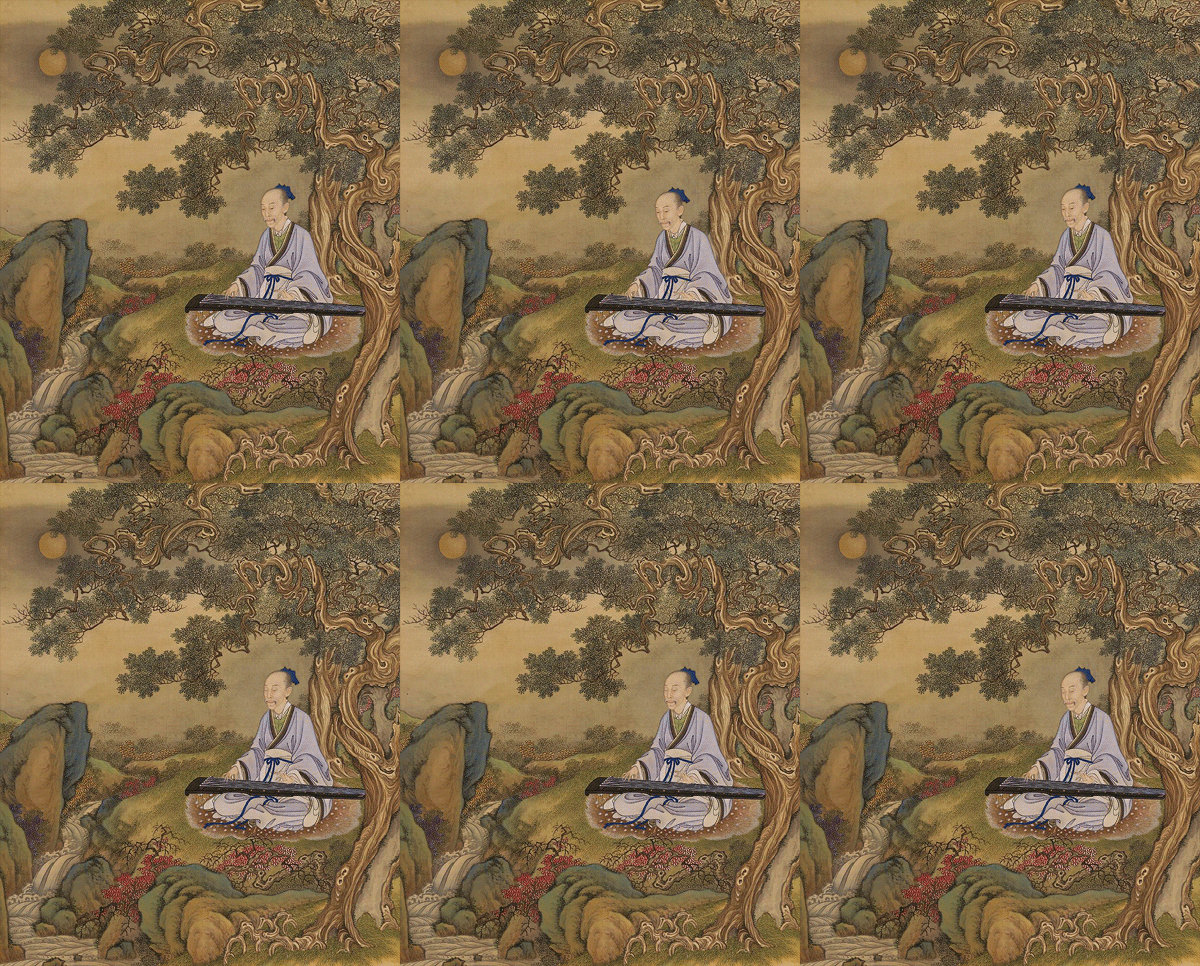
Emperor Yongzheng wanted his subjects to see him as one of them, and thus asked Xingle Tu to portray him in 77 familiar situations as well as more spiritual ones, which is rare in the annals of Chinese history. Yongzheng died at the age of 58.
With delicate nuances in colors, tones, and textures, Xingle Tu successfully integrated diversified styles of portrait paintings and landscape paintings. Painted in a realistic style with neat outlines, those paintings show great artistry in painting exuberant and peculiar clothes.
Most of these paintings are in Taiwan’s National Museum. Local artists created animated-gifs of some of them: