Qinglong Emperor
 (25/9/1711 – 7/2/1799)

乾隆帝 (lasting eminence)
Strong/intense/grand/prosperous/
eminently thriving Emperor
Qianglong’s Manchu Family tree


Cherished Empress Xiaoxianchun
(Lady Fuca Rongyin: Mu-28/3/1712-8/4/1748)
“Plaisir d’amour ne dure qu’un momentChagrin d’amour dure toute la vie”

Hongli became Emperor Qianlong

Qianlong Emperor before abdication

Only 10 sons & 17 daughters reached adulthood


General Fuk’anggan (Mu-1753-1796)


Some of his 29 concubines, consorts, etc. are:

 Step-Empress Hoifa-Nara (Mu-11/3/18-19/8/66)

Consort Dun (Mu-27/3/46-6/3/1806)

Princess Hexaio (Mu-2/4/75-13/10/1823),

the 10th and youngest daughter of Qianlong + Consort Dun
was married to the eldest son of Heshen

Heshen
(Mu-1/7/50-22/2/99)
as Dynasty Treasurer
(member of the Niohuru clan)


Fu character stele in cave built by Heshen
 Lady Wei -Yingluo (Mu-23/10/27-28/2/75)
Consort Ling became Empress Xiaoyichun,
after Yongyan, her son, was
enthroned as the Jiaqing Emperor

Noble Consort Xin (Mu-26/6/37-28/5/64)
Qianlong’s exceptional mourning—his personal attendance, the 5-day court suspension, and the posthumous elevation—strongly suggests that he felt a deep personal bond with Noble Consort Xin that went beyond mere duty.

 Noble Consort Chonhui of Su family
(Han-13/6/13-2/6/60)

Noble Consort Ying
(Mngl-7/3/31-14/3/1800)

Noble Consort Wan
(Han-1/2/17-10/3/1807)

Noble Consort Xun
(Mu-29/10/58-10/1/98)

Consort Shu – Yehenara
(Mu-7/7/28-4/7/77)


Consort Rong (Uygr-11/10/34-24/5/88)
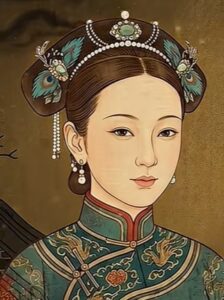
the Fragrant Concubine

Noble Consort Shun – Niohuru
(Mu-1748-1788)

Noble Consort Huixian – Gaogiya
(Mu-1711-1745)

Noble Consort Shujia – Gingiya
(Ko-1713-1755)

Noble Consort Qinggong – Lu
(Han-1724-1774)

Based on the historical documents, Qianlong had two main meals per day. His 20 dish breakfast was at around 6 a.m. and dinner at 2 p.m. But right after he woke up at 4 a.m., he would usually have a snack – such as bird’s nest soup – before his morning meal and work.
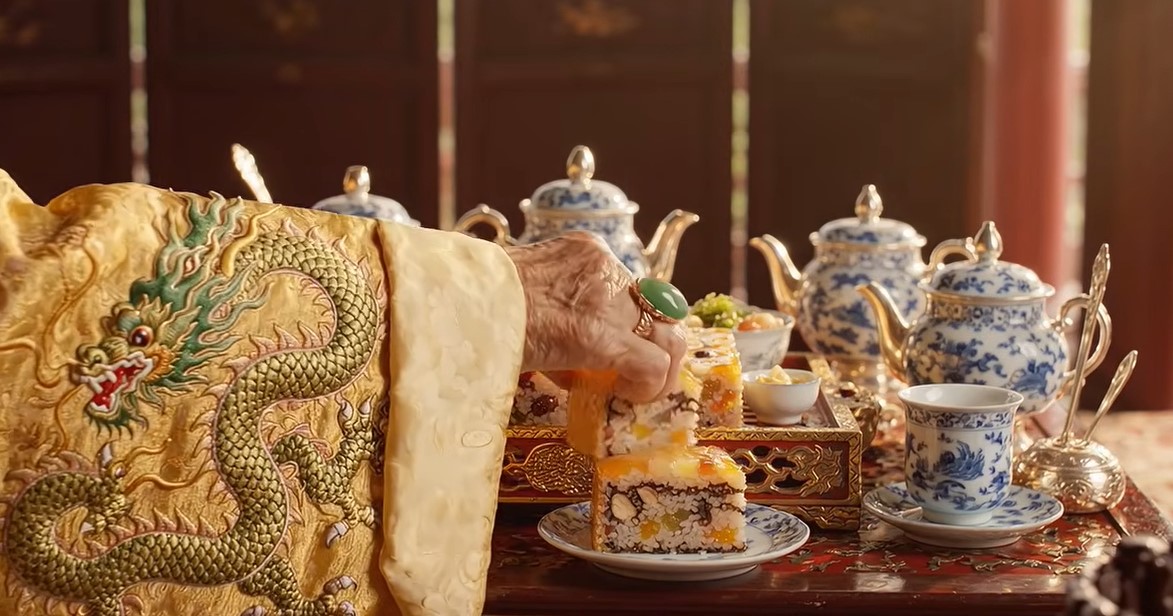
Most of the mornning dishes were small portions of relatively simple food. congi, steamed buns, pickled vegetables, tofu, some light meat dishes. The Qing court deliberately avoided excess, because both the Ming and Qing dynasties believed that diet should promote health, not indulgence. The emperor of China ate planer food than most wealthy merchants in the cities outside the palace walls. The court also followed Manchu dietary customs, which meant no beef.
At night, as he went through reports and requests from all over the country, he’d have another bite to eat at 8 p.m. or 9 p.m. – often consisting of eight to 10 small dishes.

Tatar horse offered as tribute
He usually dined alone except for the snack time at night, when he might be dining with a consort he was going to sleep with. To sleep well – so he would produce offspring – were also two main tasks for the emperor.
The majority of (the emperors) grew up in a highly disciplined environment, their diet was supposed to be healthy.


Shoushan stone
The Emperor was also a passionate poet and essayist and over 43,200 poems and over 1300 pieces of prose are recorded in his collected writings. Qianlong wrote more poetry in his lifetime than all the poets in the Tang dynasty (618-906) combined, a dynasty known for its Golden age of poetry:


In 1796, Emperor Qianlong abdicated and appointed the crown prince to succeed his throne. His successor then designated Qianlong, Supreme Ruler (Taishanghuang):

In the above abdication edict, Qianlong not only proclaimed the successor, but also concluded the achievements during his reign. Instead of retiring with the abdication, Emperor Qianlong maintained his grip on power with this new title.