Natural Water Systems
There are anomalous water systems across five locations on four continents. They show a pattern of unusual hydrological behavior, systematic restriction of access, and historical documentation gaps that converge around the late 19th century—the same period when “food forests” and pre-industrial agricultural networks mysteriously vanished.
The Core Discovery
These water sources don’t behave naturally. They are all restricted, sealed, or heavily managed under rotating official explanations (environmental protection, mineral rights, military jurisdiction, ongoing research). The explanations change; the restriction doesn’t. The 6 Sites:
1. Hirava Elagua, Mexico
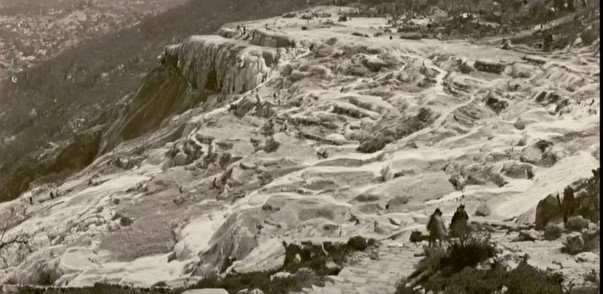
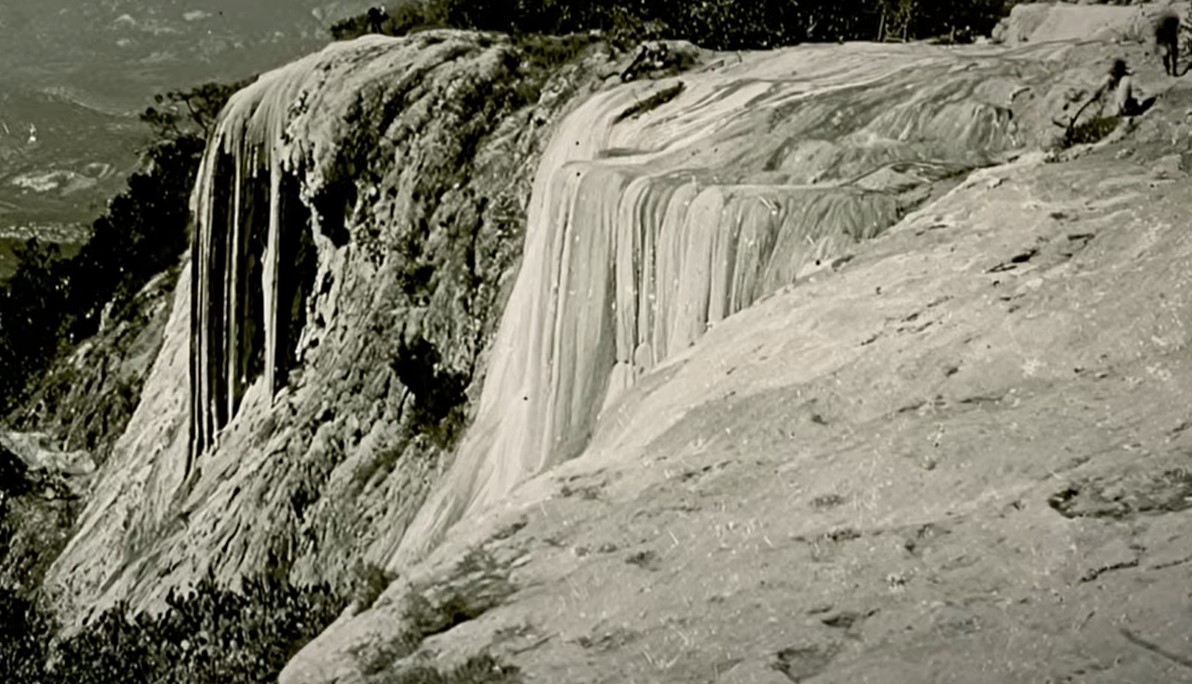
- Mineral formations appear like frozen waterfalls but are actively built by calcium-carbonate-rich water,
- Formations show patterns suggesting water is being deliberately directed,
- Pre-colonial terrace modifications exist,
- Zapotec oral traditions describe springs responding to seasons and agriculture,
- Upper network restricted and unmapped; oral accounts disappeared when access closed
2. Cuatro Ciénegas, Mexico
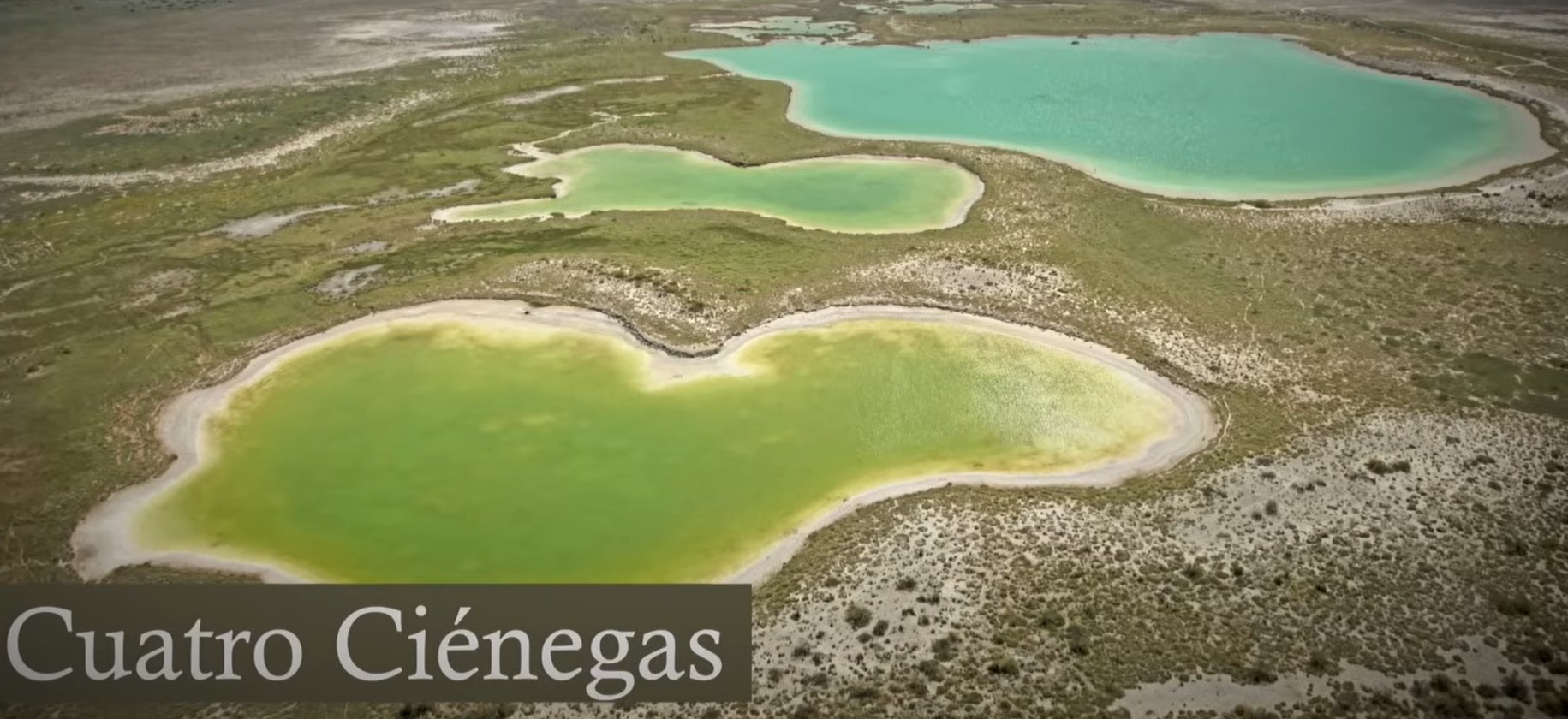
- A network of spring fed pools and rivers emerges from the earth,
- Desert location where water shouldn’t exist geologically in this volume,
- Mineral composition shifts without external cause,
- Water entering the system is chemically distinct from the water leaving it,
- Contains genetically unique organisms predating known timelines for complex life,
- Full network requires government authorization; research is “ongoing indefinitely”
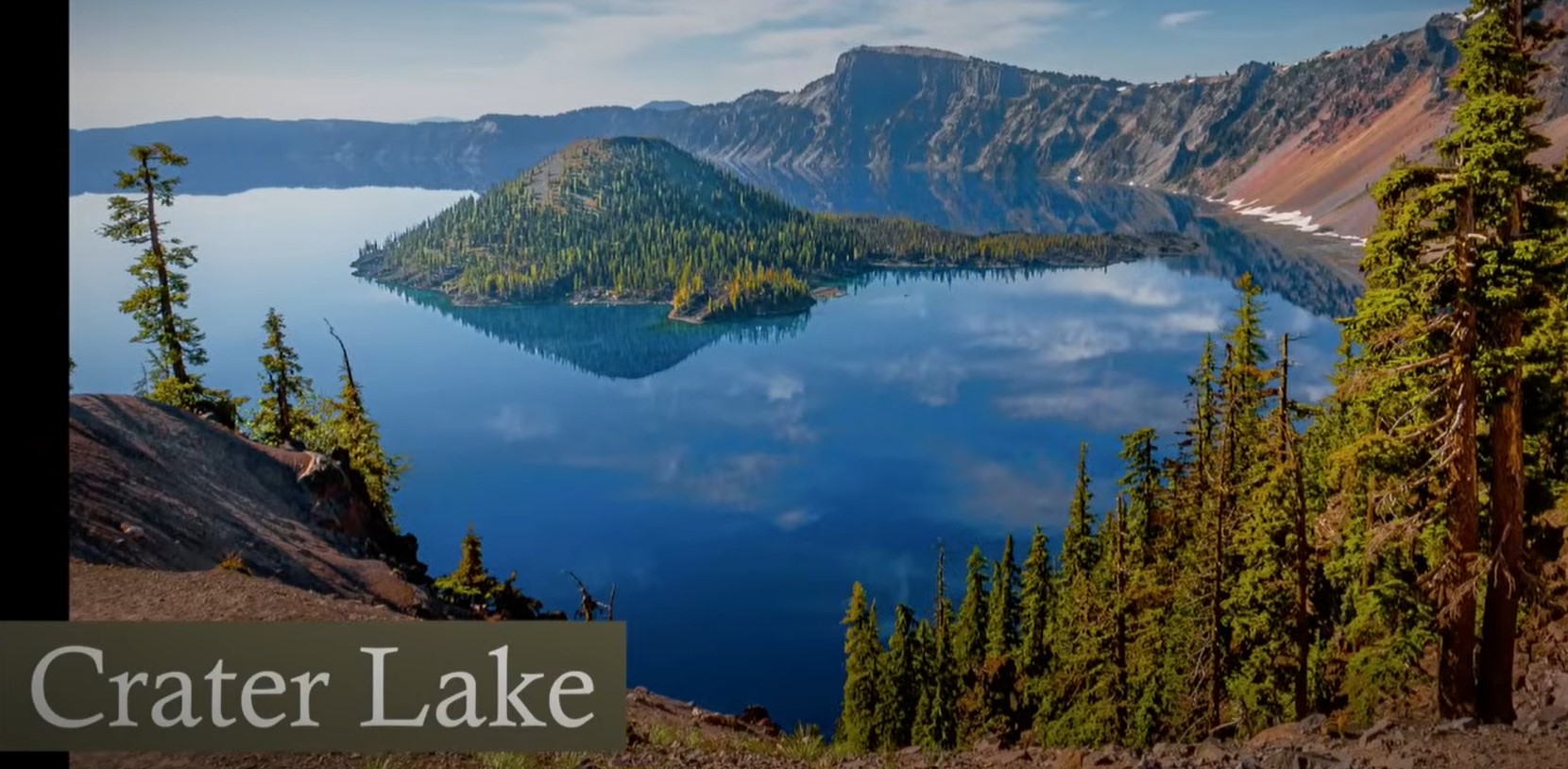
3. Crater Lake, Oregon
- Closed basin lake with no inflow/outlet; sustained only by precipitations,
- Extraordinary clarity despite being a closed system (which should accumulate sediment),
- Hydrothermal vents on lake floor (2000 ft) introduce heat and minerals,
- Vent effects appear “neutralized”, as if something processes what comes from below,
- Restriction on shoreline and hydrothermal zones. Is the lake or information is being protected?
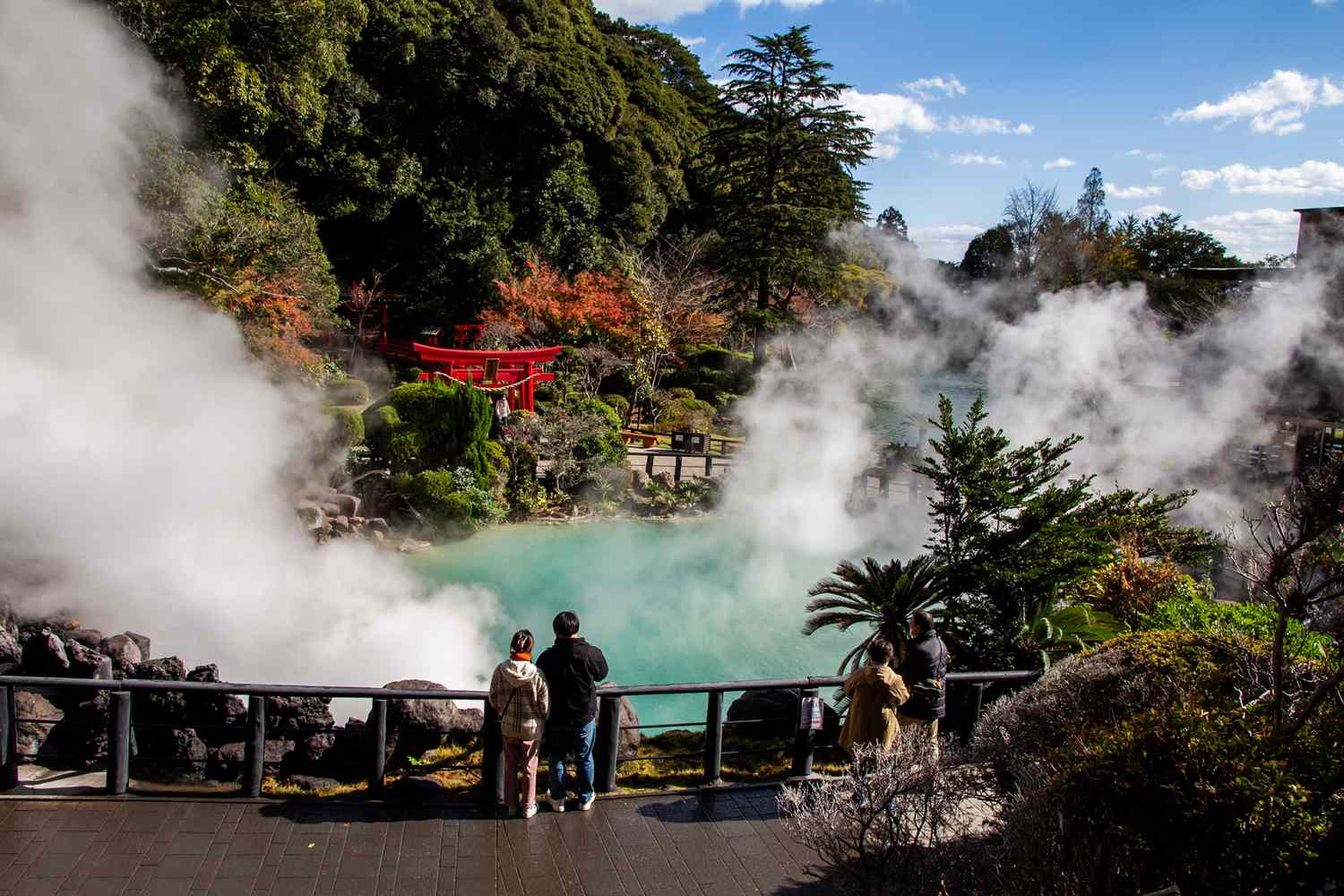
4. Beppu, Japan
- Over 2,000 geothermal springs; city built for the springs,
- Some springs permanently, categorically restricted,
- Meiji-era records (1870s-1880s) show behaviors not matching current readings,
- Underground network remains unmapped despite modern technology,
- Something may have been “reduced or partially sealed” during the late 1800s.
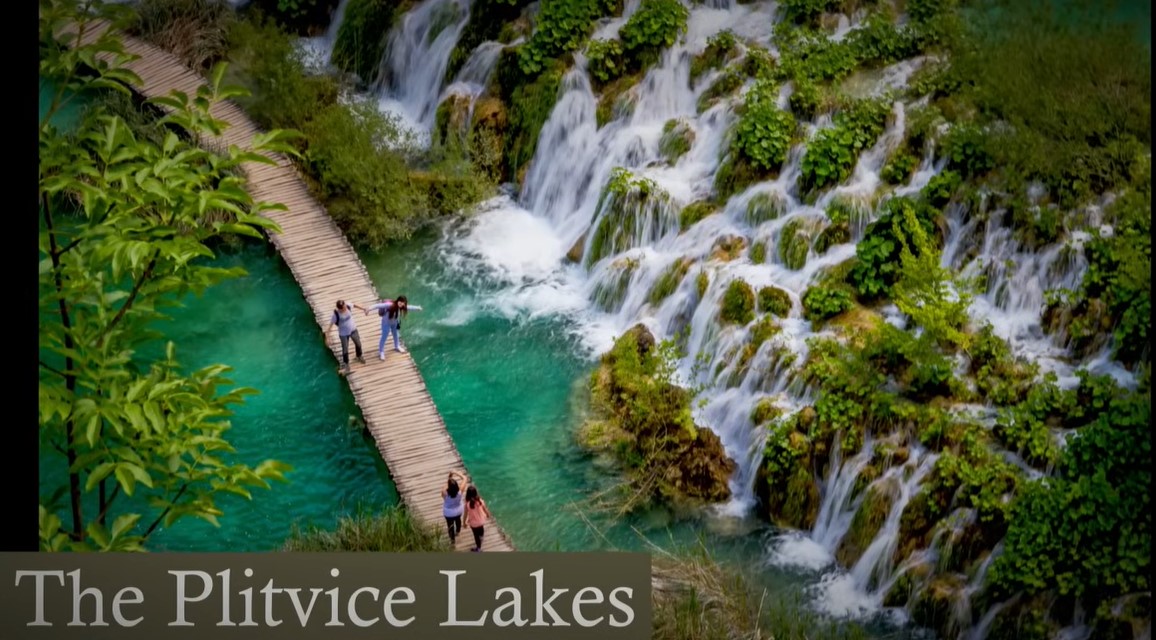
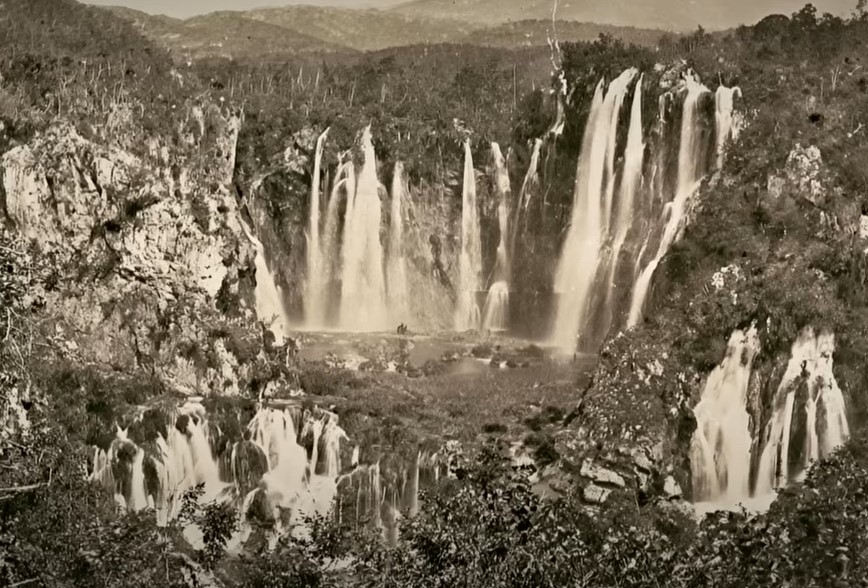
5. Plitvice Lakes, Croatia
- 16 terrace lakes with continuously self-building travertine (limestone-rock) barriers,
- System modifies its own architecture in real time while maintaining stability,
- Natural systems drift toward entropy; Plitvice shows continuous self-maintenance,
- Large portions restricted as research zones; subsurface channels unmapped.
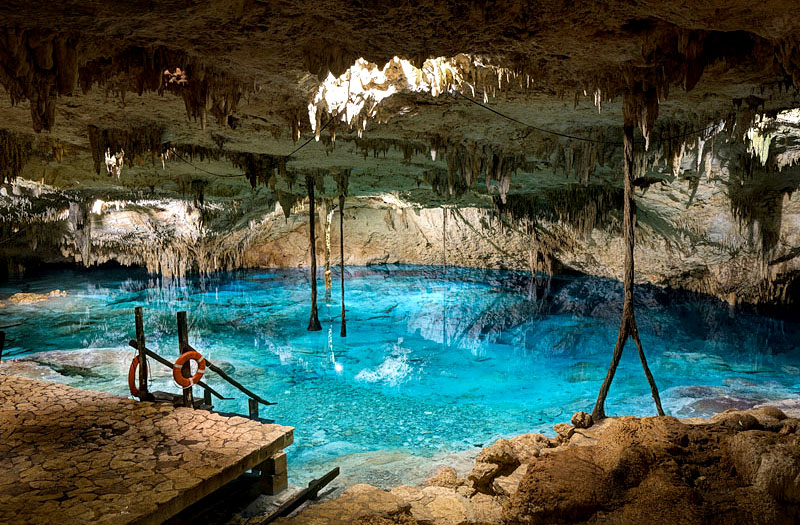
6. Cenotes (Mayan Riviera), Mexico:
Cenotes are surface connections to subterranean water cave systems, some of which are hundreds of kms long.
The Pattern
Across all sites, the same elements repeat:
| Element | Description |
| Ancient source | Water with unusual behavior predating records |
| Restriction | Systematic limitation of access |
| Documentation gap | Absence of pre-restriction records |
| Surface explanation | Official accounts answering surface questions only |
| Timing | Intensification of restriction during/after late 1800s |
Q: How does this pattern coordinate across five continents with no formal institutional connection?
The Food Forests Connection
The late 1800s saw the disappearance of:
- Food forests
- Old architectural forms
- Certain agricultural technologies
The water systems may have been foundational to those agricultural networks—not incidental but essential. The water’s chemistry, temperature stability, and self-regulating behavior may have been doing something to soil and plants that we’ve lost vocabulary to describe.
Implication: Restrictions don’t protect people from water; they protect the evidence that a different relationship between civilization and natural systems once existed—and was possible.
The Missing Transition
The restriction itself is documented. What’s missing is the transition—the period when accessible, integrated water sources became managed and restricted. In case after case, this window is compressed or absent entirely. Access didn’t gradually decrease; it was “there and then not there. Open and then sealed.”
Indigenous Knowledge
Oral traditions attached to almost every restricted water source describe water as having:
- Behavior
- Memory
- Organizational intelligence
The water is understood as an active participant, not a passive resource. When mapped against physical behaviors observed, these traditions may not be metaphor but technical documentation—observations encoded in language robust enough to survive systematic erasure.
The Deeper Question
The official story assumes complexity came after us—that the world was simpler before humans and we made it complicated. But the water doesn’t behave like an accident, and it’s not modern.
What is known:
- The pattern exists,
- It persists across cultures and continents,
- It demands an explanation, better than “coincidences”.
What is unknown:
- Whether these are remnants of something built,
- Whether restrictions are deliberate concealment or coincidence,
- What the water is actually doing.
Unless the system isn’t entirely gone. Unless what was dismantled was the access, not the mechanism. Unless the springs are still doing what they were always doing—underground, sealed, off-limits—the last operational components of something we no longer have a name for.
If the water is still running, still processing, still working—then the question isn’t what it was. The question is what it’s waiting for.
Key Quotes
-
- “The explanations change, the restriction doesn’t. Once you see it, you can’t unsee it.”
- “Show you the lake, restrict the depth. Show you the spring, seal the source. Show you the water, keep the system proprietary.”
- “I’m not saying someone turned off a tap. I’m asking whether someone found a tap and turned it down.”
- “That’s not what closed volcanic lakes do. That’s what engineered systems do.”
- “What if the traditions aren’t metaphor at all? What if they’re technical documentation?”
- “The water doesn’t behave like an accident and it’s not modern.”
- “The question isn’t what it was. The question is what it’s waiting for.”