Stem Cells
Stem cells are un-programmed cells that could divide forever. Since stem cells can become bone, muscle, cartilage or other specific cells, they may help cure diseases, such as cancer, diabetes, Parkinson’s, and Alzheimer’s. They are found in embryos and in some adult organs. Basal cells are stem cells. Mitochondria play a key role.
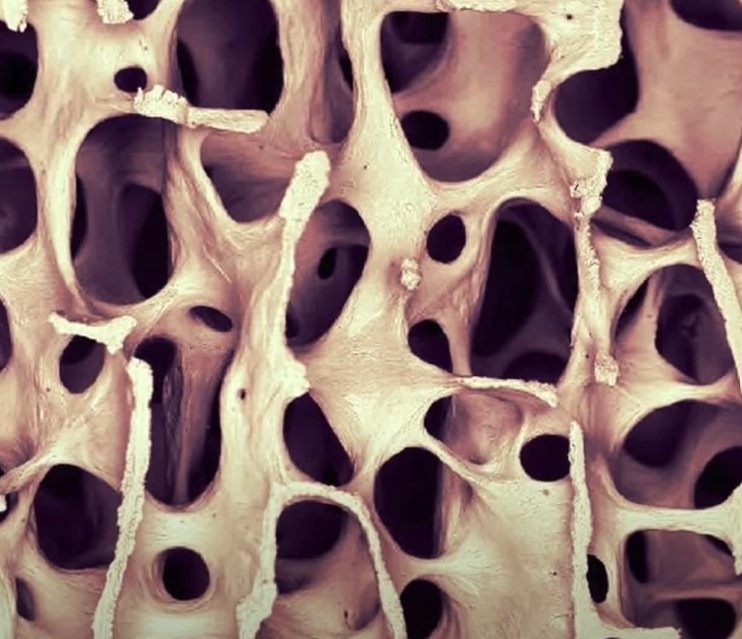
Human bone under electron microscope
Pluri-potent stem cells can divide to generate -and replace- lots of different cell types. Our bone marrow contains stem cells that can divide to generate a whole range of blood cells. They can divide several times to generate red blood cells as well as different kinds of white blood cells.
Immune cells eat dead cells and cell debris. Lyso-somes are organelles that contain digestive enzymes inside them, and digest pathogens and worn out cell parts. They also act as ‘suicide sacks’, because they destroy the cell from the inside out, when instructed during mutations.
The connective tissue of the human umbilical cord is garnering increasing attention as a source of Mesenchymal Stromal (stem) Cells (MSC’s).
The most effective non-invasive therapy is only using the unique EM wave-signature of MSC’s from a healthy human umbilical cord, isolated from the Wharton’s jelly:
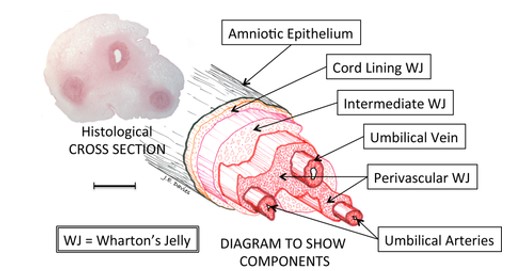
Wharton’s jelly is the purest and simplest human connective tissue. It offers the most homogeneous stem cell population versus all other mesenchymal tissue sources.