Simple Longevity
The Shaolin 3-Principle Longevity System

This is a 3-part daily practice system derived from Shaolin monastic tradition, used by monks for 1,500 years. This system produces measurable biological changes, and positions it as a sustainable alternative to high-intensity exercise like running, particularly for older adults.
- Nasal breathing (4 cycles with extended exhale, daily): Results in a less foggy, more focused mind within the first hours of the day. This is attributed to the vagus nerve—a direct line from brain to organs—responding quickly.
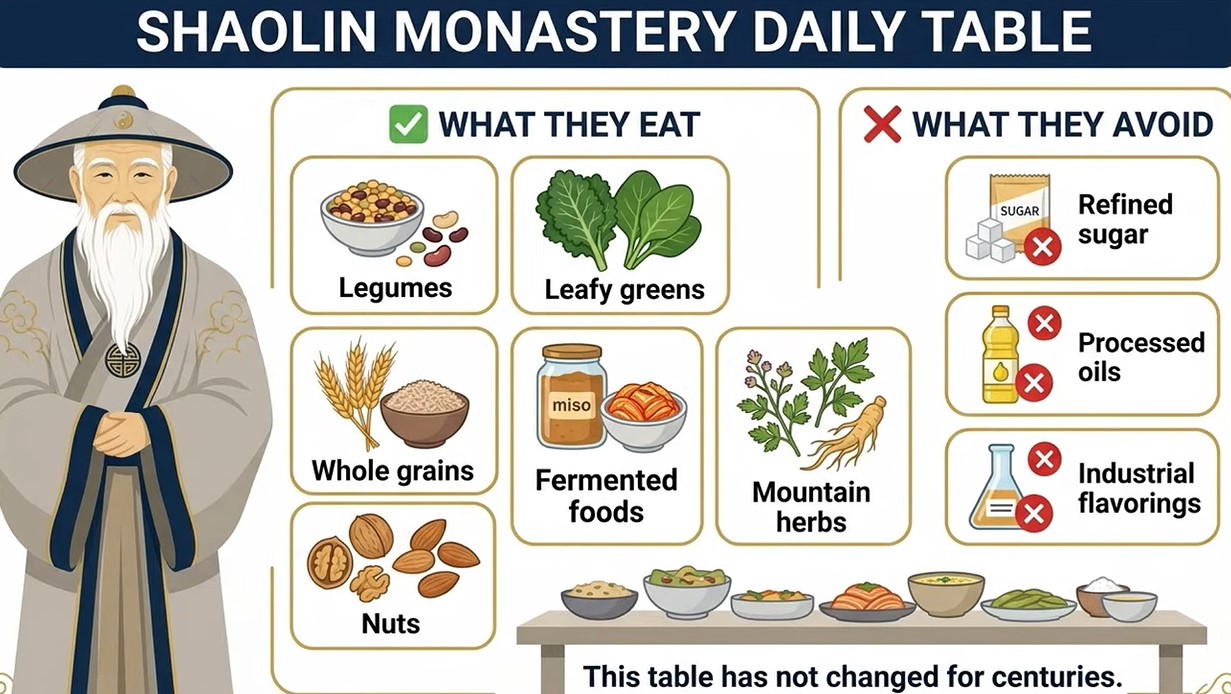
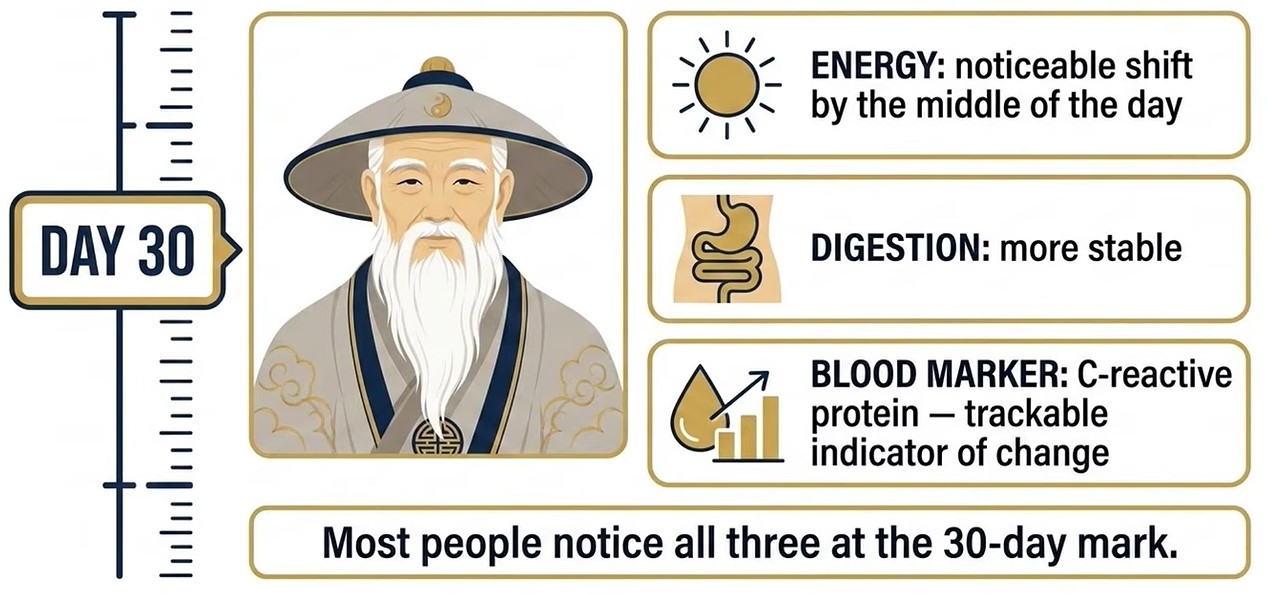
- Plant-based eating: Most people notice a shift in energy levels by mid-day and more stable digestion. C-reactive protein (CRP), a marker of hidden inflammation measurable via blood test, begins declining within 3–4 weeks in people whose levels were elevated.
- Zhan-Zhuang/isometric practice (90 days, >5 minutes daily): Data predicts a measurable drop in blood pressure.
These are biological markers that respond to lifestyle change and reflect what’s happening inside the body, independent of how one feels.

The Three Principles:
Principle One: Breathing
- Practice: 4 cycles of nasal breathing with an extended exhale every morning.
- Mechanisms: Activates the vagus nerve (brain-to-organ nerve), increases heart rate variability (described as “heart’s flexibility”), and stimulates production of nitric oxide—a natural vessel-relaxing gas—in the nasal passages.
- Role: This is the foundation upon which the other two principles rest.
Principle Two: Food
- Practice: One full plant-based dish daily as the main course, plus complete removal of ultra-processed products.
- Mechanisms: Reduces systemic inflammation, removes the load that drives arterial plaque, and provides fiber the gut microbiome needs to produce butyrate (a short-chain fatty acid beneficial for gut and metabolic health).
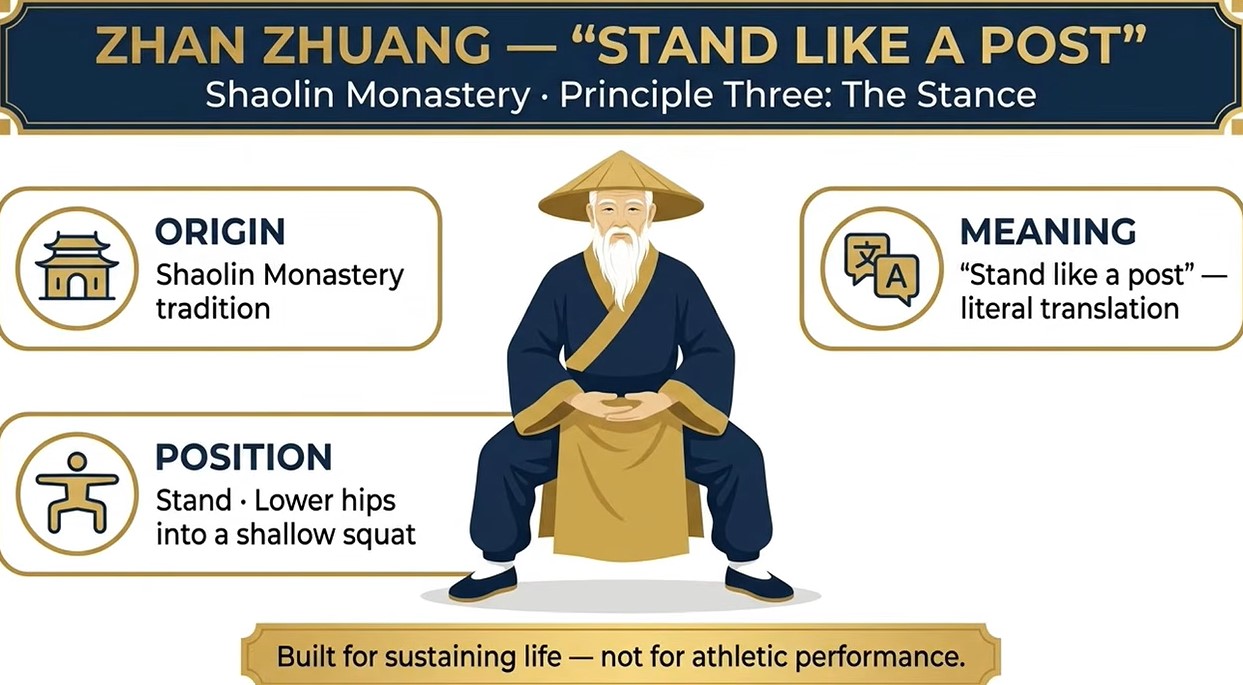
Principle Three: The Stance (Zhan-Zhuang)
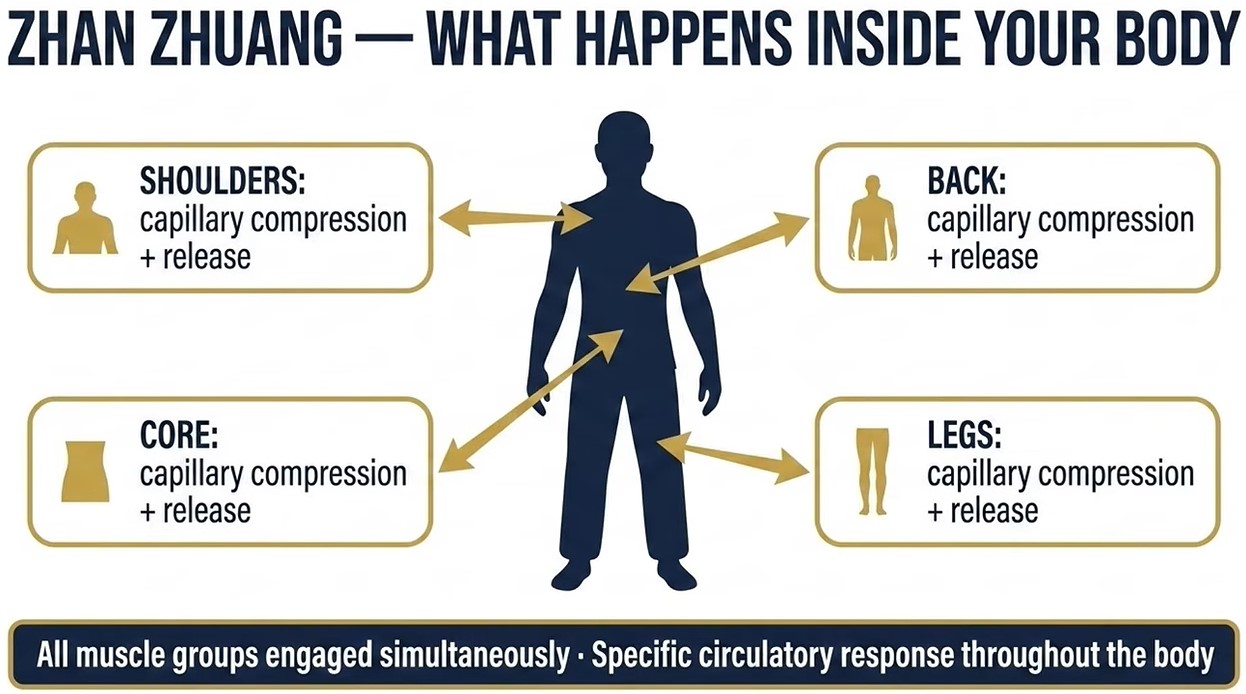
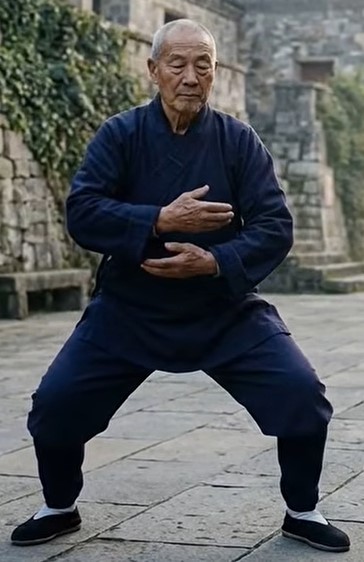
- Practice: Five minutes of Zhan-Zhuang (standing meditation/posture) daily—moderate isometric load combined with nasal breathing and focused attention.
- Mechanisms: Lowers blood pressure, activates the body’s cellular cleanup process (likely referring to autophagy), and trains the cardiovascular system without the inflammatory overload that high-intensity cardio creates.
How the Three Principles Work Together:
- Breathing helps the stance: Extended exhale reduces peripheral vascular resistance during isometric tension.
- Stance stabilizes the nervous system, supports cleaner digestion and better absorption of nutrients from food.
- Diet reduces systemic inflammation: Without this, inflammation would limit the effects of both breathing and stance practice—loading the vessels with inflammatory signals faster than the practices can clear them.

Why Not Just Run?
- Creates impact on joints,
- Requires high intensity to produce lasting cardiovascular benefit,
- When dosed wrong, raises cortisol and drives systemic inflammation.
- For people with degenerative joint changes, running often creates more problems than it solves.
No high intensity with the Shaolin system. It builds protection through nervous, hormonal, and cellular mechanisms—gradually, sustainably, without wear.
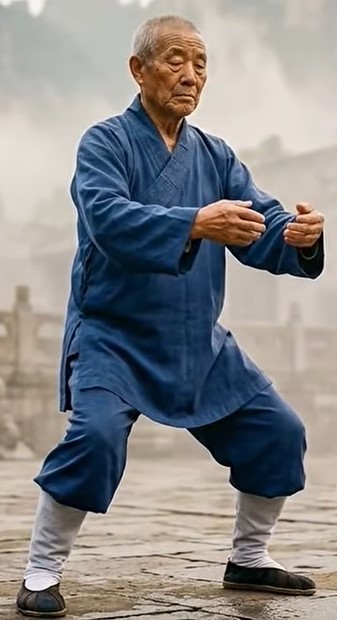
Start Today:
- Stand up, feet shoulder-width apart or slightly wider.
- Bend knees slightly.
- Lower hips a few centimeters from normal resting position.
- Raise arms in front of you to chest height, elbows gently rounded as if holding a large ball.
- Inhale through nose for 4 cnts. Hold for 4 cnts. Exhale through nose for 8 cnts.
- Stand there for 3 minutes.
This is the baseline, where the monks started. Those who practiced for years worked up to 20 minutes.
Key Terms and Concepts:
| Term | Meaning in Context |
| Vagus nerve | Cranial nerve connecting brain to organs; key to parasympathetic “rest and digest” response |
| Heart rate variability (HRV) | Variation in time between heartbeats; higher HRV indicates better cardiovascular adaptability |
| Nitric oxide | Gas produced in nasal passages that relaxes blood vessels |
| C-reactive protein (CRP) | Blood marker of systemic inflammation |
| Butyrate | Short-chain fatty acid produced by gut bacteria; supports gut health |
|ZhanZhuang | Standing meditation/posture practice from Chinese tradition |
| Isometric training | Muscle contraction w/o joint movement, like holding a stance |
| Autophagy | the body’s cellular cleanup process |
| Cortisol | Stress hormone; chronic elevation harmful |
Instead of relying on probiotics and digestive supplements (a $48B industry), people can relieve post-dinner bloating by copying a simple, centuries-old Shaolin Monastery practice: walk, then abdominal massage combined with slow breathing — done at the right time after eating.
Key points:
1. The problem: Over 70 million Americans suffer from digestive disorders, and bloating after dinner is a nightly struggle for many. The supplement industry sells the idea that the gut is “broken” and needs outside repair.
2. Why probiotics often fail: A study found that probiotic bacteria usually don’t colonize the gut — they pass through — and can even slow recovery of native gut flora after antibiotics.
3. The Shaolin practice (three tiers): “Let the body “hear” the food before you speak to it with your hands.”
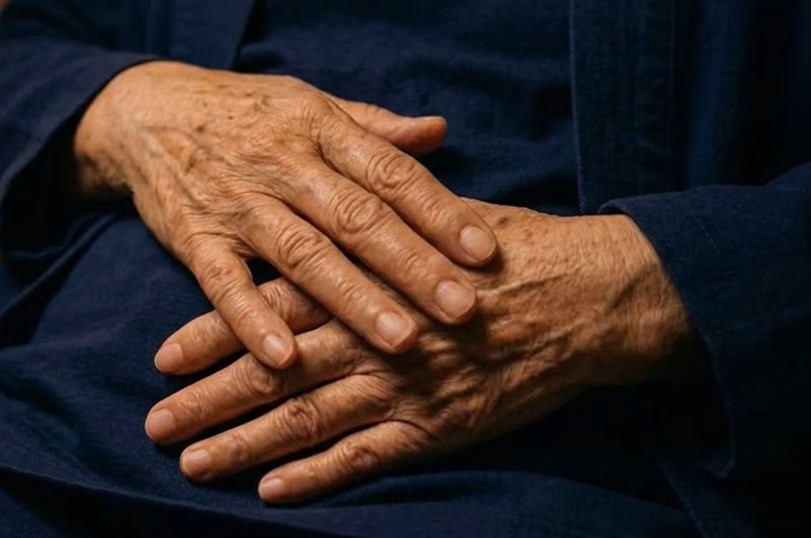
Tier 1 — Abdominal massage: After meals, monks place stacked palms over the navel and make 36 slow clockwise circles, then 36 counterclockwise (gentle pressure). This physically signals the gut’s “brain” (the enteric nervous system) to shift out of standby mode and resume normal movement, clearing trapped gas.
Tier 2 — Breathing: Alongside the hand movements, monks breathe in a 1:2 ratio (inhale 4 cnts, exhale 8). The lengthened exhale activates the parasympathetic “rest and digest” state, increasing blood flow to the digestive organs. The gut knows what to do. What it needs is for the obstacle to be removed. The obstacle is an incomplete switch of the nervous system from active mode into rest. One correctly constructed minute removes it.
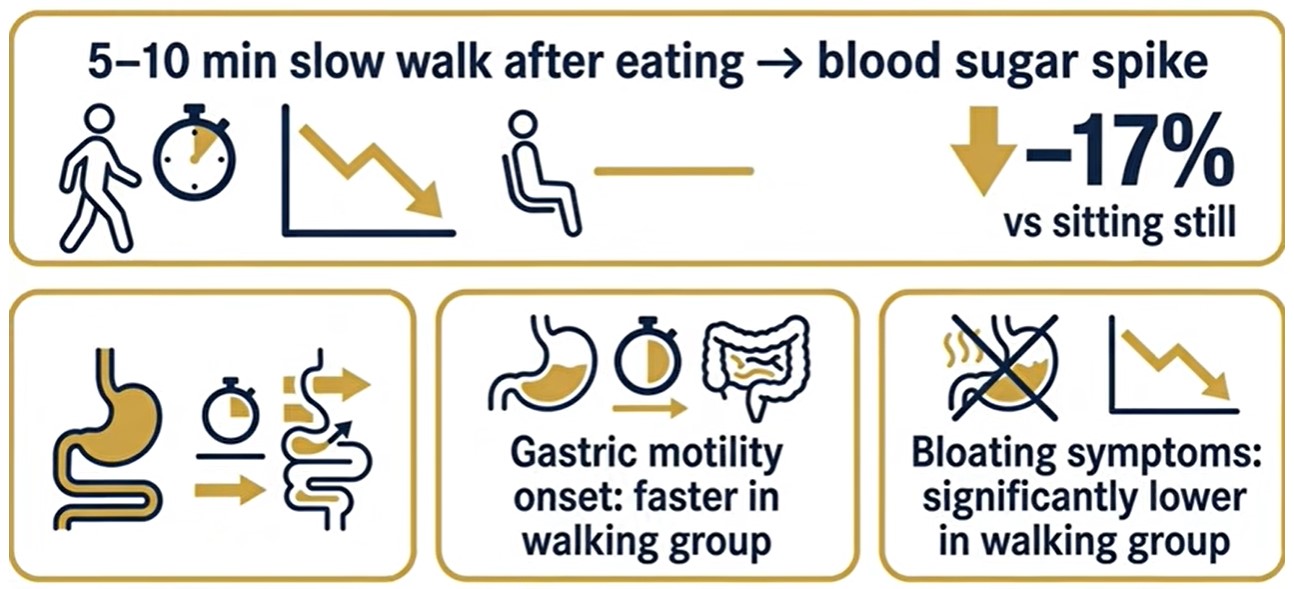
Tier 3 — Timing: Most omit this. Monks first walk slowly for 5–15 minutes after eating, before doing the massage. Walking aids blood redistribution, provides mechanical stimulation for peristalsis, and calms the nervous system.
4. Expected results: Softer belly within 20–30 minutes; reduced bloating in the 1st week; improved sleep and a conditioned relaxation response within 30 days; measurable improvements (lower gut inflammation markers) by 90 days. All without changing diet.
5. Bottom line: The gut already knows how to digest — it just needs the right signals. The full sequence takes 7–12 minutes.