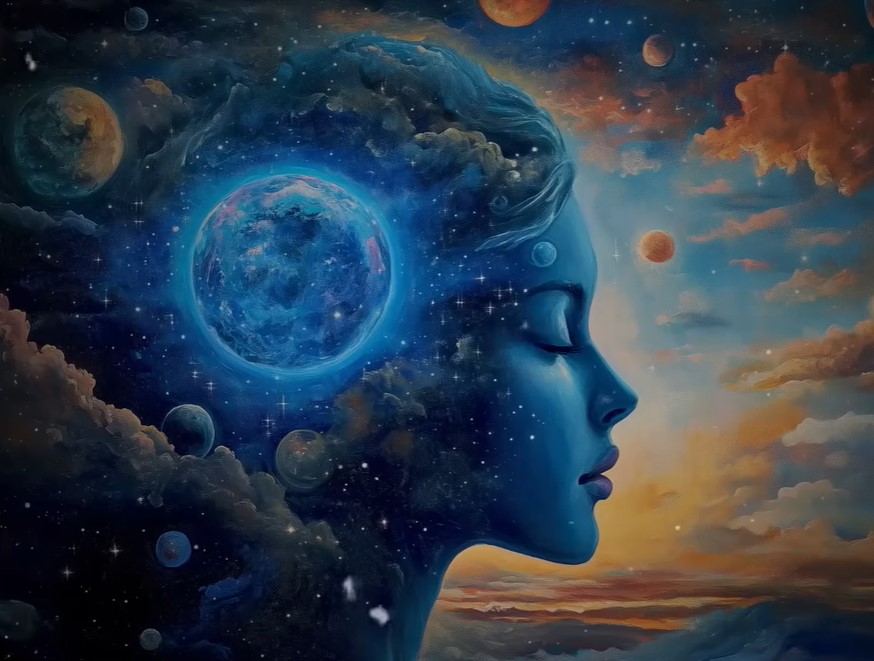
PLASTICITY in NEURAL NETWORKS

All of our memories (of events, words, images, emotions) correspond to activities of specific circuits of neurons. Learning depends on the plasticity of these circuits.

Plasticity refers to the neurons’ stunning powers to make lasting changes in the efficiency of their synaptic wiring patterns, even in adult brains. What we experience as ‘information’ is the unique arrangement of these patterns. Information is retrieved through activating these networks.

Neurons involved in the creation of a network are often already connected via their synapses so that these bonds only need strengthening or weakening, which depends on whether the associative feelings or thoughts are considered pleasant or painful.

New networks are often created out of pre-existing ‘wiring’ when other regions fail to perform them. Some of these networks play a key role in the formation of memories.

The actions we take, the experiences we have, the new skills we learned, the opinions and beliefs we changed, determine the brain regions that expand or contract. Which ones will grow is a reflection of the lives we live.

read more …

Similar Posts

  • Healthiest Oils

    Canola oil Peanut oil Almond oil Flaxeed oil Avocado oil Tea seed oil Rice-bran oil Grape seed oil Extra-virgin Olive oil Unrefined coconut oil Castor Oil Castor bean plant Castor oil increases the count of T-11 cells and total lymphocytes in the blood within 24 hours of application. This energizes the body’s defense mechanism. The…

  • Intermittent fasting IF

    Changes the Function of Cells, Genes and Hormones When fasting, several things happen in your body: IF is not a diet, it’s a pattern of eating. Your body initiates important cellular recycle and repair processes, plus hormonal changes that make stored fat more accessible, human growth hormone levels can increase, which has implications for fat…

  • The Infection Cycle

    Infection occurs when an organism enters the body and starts to grow. Dis-ease only occurs if the organism starts to multiply and produce symptoms. Our bodies have tremendous capacity to fight off organisms. When the protective mechanisms fail or are compromised, dis-eases occur. The most dangerous organisms are those that are virulent and contagious. Organisms…

  • Two Hemispheres ?

    The human brain comprises of many billions of cells, several billion of them are neurons linked to networks that give rise to emotion, intelligence, creativity, consciousness and memory. The skull-brain is kind of symmetric. Its Left and Right hemispheres are connected by the corpus callosum, a thick white band of nerves deep within the brain,…

  • Summer Palaces

    Qingyiyuan, Gardens of Clear Ripples, the Summer Palace with Kunming lake Around 1749, the Qianlong Emperor decided to build a summer palace in the vicinity of Jar Hill to celebrate the 60th birthday of his mother, Empress Dowager Chongqing. Longevity Hill is about 60 m-high and has many buildings positioned in sequence. The front hill…

  • The Neural Self

    According to Antonio Damásio, the process of making images, and the wakefulness and arousal that are needed for the formation of them are just as relevant as the Self. We experience the Self as the observer, knower and owner of those images. The neural basis for the Self appears to be connected to endlessly updated…