The Heart Brain?
Studying the energetic communication of the heart is a journey from biology into physics. About how EM and energetic fields of the brain, heart, and the earth relate to one another.
Recent discoveries reveal that the heart is a very crucial part of our overall intelligence systems, like the ancients stated thousands of years ago. However, current research adds a more modern, grounded, and empirical understanding.
Heart <> Brain train ?
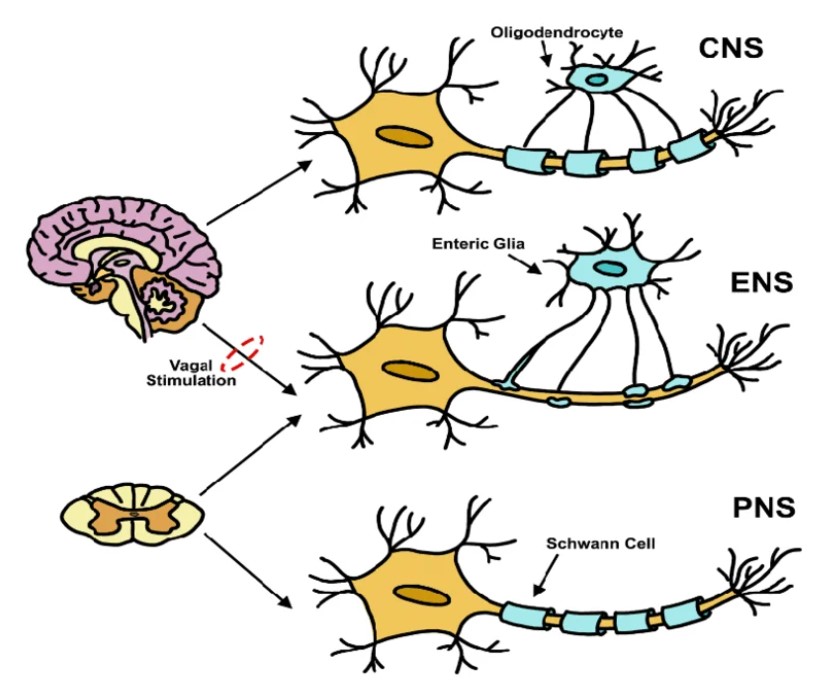
The heart has a very complex nervous system consisting of neurons, proteins and support cells that sends information to the brain’s higher perceptual centers. Scientists noticed that the heart sends much more information to the brain than it receives from it: the “brain in the heart”.
There is a wave of energy created by the beating heart that pushes blood through 19.000 km of arteries and veins. This ever changing blood pressure wave influences the electrical activity in the brain.
There is also a continual transformation of blood into a fine etheric substance that streams upwards to the brain’s pineal gland. This process is called the aetherization of the blood.

Hormones
The heart communicates also chemically to brain and body through hormones. It produces several important hormones such as, atrial peptide, that helps reduce the release of cortisol, a hormone that is triggered by fear or stress, but also by anxiety, anger or depression, a mood felt by millions everyday as their standard mode of living, because…
An unpleasant mood triggers cortisol, which will cause sad feelings, thus creating more cortisol, which then makes you feel even worse. It is the inability to stop producing these negative moods/emotions that keeps pumping more cortisol through your system, finally causing burnout and depression.
The hormone DHEA (also called the vitality or anti-aging hormone) helps to counteract some effects of cortisol. DHEA can be increased by generating positive emotions, such as appreciation. Contrary to the vicious cycle of cortisol, DHEA can create a virtuous cycle, as it helps create a pleasant mood, and a more positive mood helps create more DHEA.

Heart & Body Merkaba Vortices
Electrical energy
Most important of all, the heart is an electrical organ that produces 60 times more electrical energy than the brain.
This energy permeates every cell in our body. Its power is so strong that it creates an electromagnetic field that surrounds the entire body and registers up to 4 feet outside of it.
The heart’s magnetic field is > 5000 times stronger than the brain’s magnetic field. When dwelling in nature, this heart vortex field can expand for several miles.
When we are feeling emotions like anger or frustration, the frequencies in the field become chaotic and disordered.
However, when we are experiencing emotions like love, care, compassion, or appreciation, the frequencies in the field become more ordered and coherent.
Through this EM field we broadcast to the world around us whatever it is that we are intuitively feeling in our hearts.
Our heartbeat is registered via an Electro-Cardio-Gram (ECG). It has 3 peaks:
- P-wave: impulse of the contracting upper chambers,
- QRS: stronger contraction of the lower chambers,
- T-wave: time of relaxation in between contractions.
The beat is controlled subconsciously. The combination of height, length, and spacing of peaks is unique for each heart.