Ultrasounds
Ultrasounds are regular sound waves with frequencies higher than human hearing. Ultrasound devices operate with frequencies from 20 kHz up to several gigahertz.
It is alternating compression and rarefaction of sound waves, using frequencies between 0.7 and 3.3 MHz. Maximum energy absorption in soft tissue occurs from 2 to 5 cm. Intensity decreases as the waves penetrate deeper.
Ultrasound devices are used to detect objects and measure distances. It can detect invisible flaws in products and structures. Industrially, ultrasound is used for cleaning, mixing, and to accelerate chemical processes.
Whales, dolphins, bats, porpoises use ultrasound for locating prey and obstacles. Ultrasound imaging is used in medicine.

Ultrasound is used by physical/occupational therapists for treating connective tissues, like Ligament Sprains, Muscle Strains, Joint Inflammation, Plantar fasciitis, Facet Irritation, Impingement syndrome, Bursitis, Rheumatoid arthritis, Osteoarthritis, Tendonitis, and Scar Tissue Adhesion.
Therapists use an applicator that is in direct contact with the patient’s skin. Using gel will reduce friction and improve transmission of the ultrasonic waves.
High power ultrasound can break up stony deposits or tissue, accelerate the effect of drugs in a targeted area, assist in the measurement of the elastic properties of tissue, and can be used to sort cells or small particles for research.
Benefits of ultrasound:
- decrease in pain from the reduction of swelling and edema,
- gentle massage of muscles, tendons, and ligaments in the treated area,
- speeding up of the healing process from the increase in blood flow in the treated area.
These benefits are possible because of its thermal and non thermal effects. Thermal due to the absorption of the sound waves. Non thermal due to cavitation, microstreaming and acoustic streaming.
Cavitational effects result from the vibration of the tissue causing microscopic bubbles to form, which transmit the vibrations in a way that directly stimulates cell membranes. This physical stimulation appears to enhance the cell-repair effects of the inflammatory response.
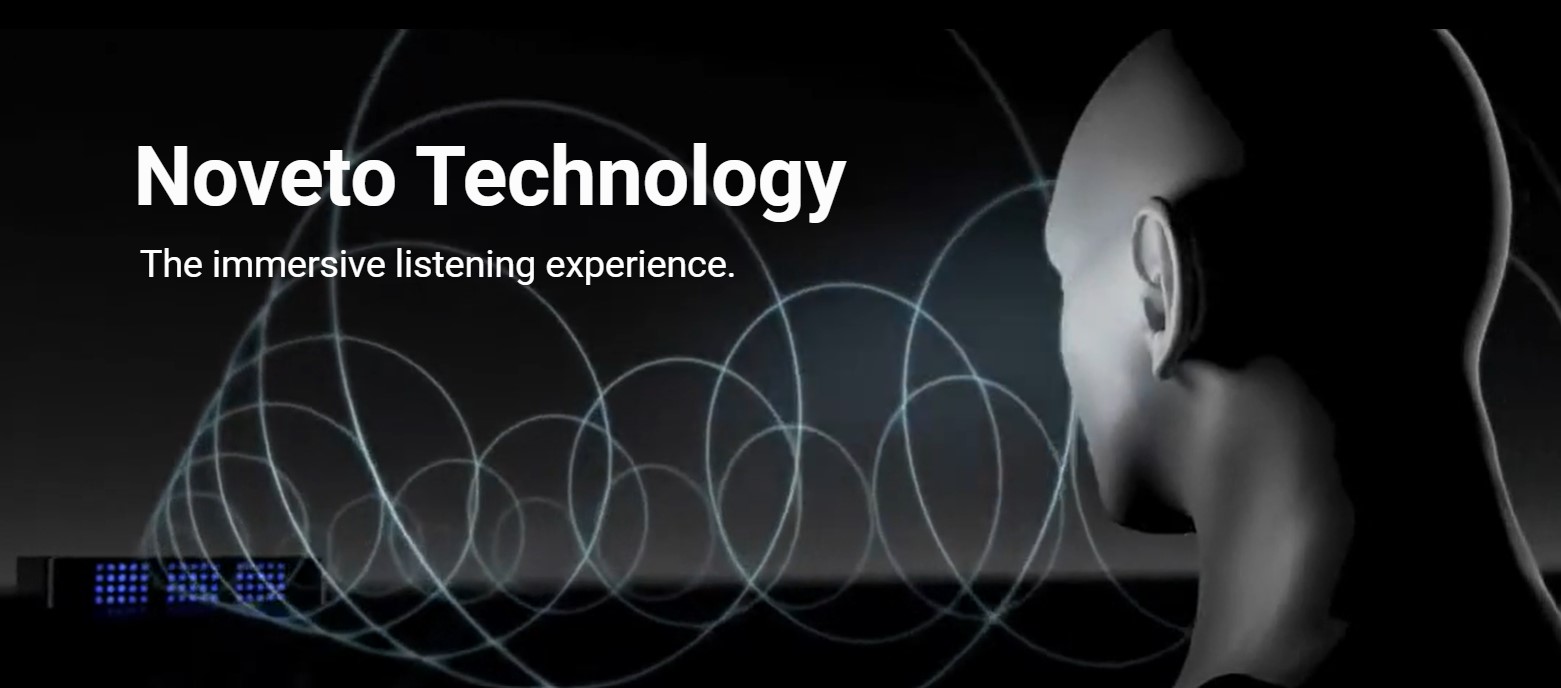
Sound Beaming
There are few tools we have at our disposal more important than listening. It keeps us connected to the world around us, enabling us to communicate in a way that none of our other senses can do.
Whether listening to music, movies, playing games, or chatting with the people you care about, listening inspires, excites and connects like nothing else.
Most people believe there are only two ways to listen to sound.
- Out loud and publicly via speakers;
- Quietly and privately wearing head/earphones.
But now there is a third way
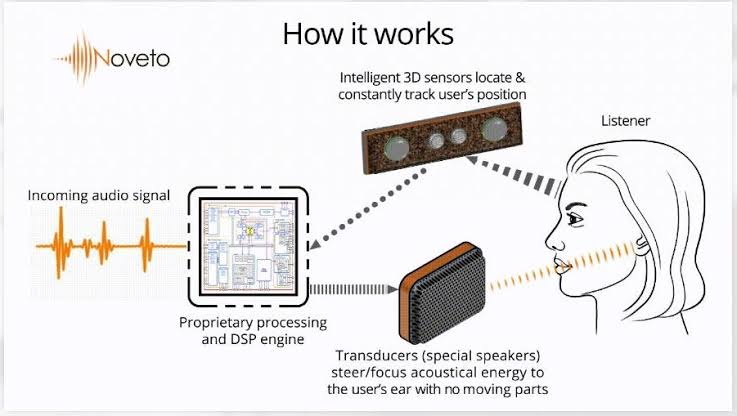
A device beams sounds just outside your ears creating a personal 3D sensory listening experience without disturbing others – no speakers or head/earphones.
3D Binaural and Spatial Sound
The i3DS™ device uses ultrasounds to silently beam two pockets of sounds outside a user’s ears to create an immersive 3D spatial and binaural audio experience. It uses an AI-based 3D sensor to focus 3D audio on one user at a time. Those nearby are muted from it, or hear a fraction of it.
Built In Intelligence
The AI-based voice, facial and gesture recognition, as well as ambient sound monitoring, enables a very natural and intuitive interaction. This will be a cornerstone for the new generation of smart home apps and services.