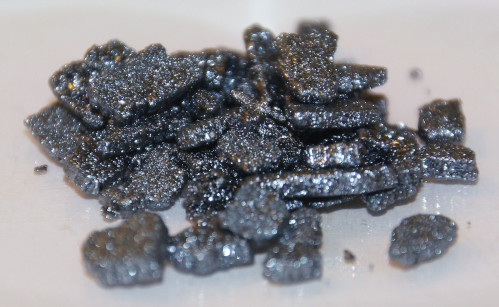
Iodine and the Thyroid
Is Iodine one of the most overlooked but very important minerals?
Iodine is critical for the production of the thyroid hormone in the thyroid gland. When this gland suffers, the rest of our body, too.
Symptoms of low thyroid function:
- depression,
- fuzzy head,
- weight gain,
- constipation,
- carpal tunnel,
- voice changes,
- sensitive to cold,
- cold hands and feet,
- exhaustion or fatigue,
- muscle and joint pains,
- painful soles of the feet,
- menstrual abnormalities,
- swollen/puffy face, eyes, arms, legs,
- regular infections like sinus, or thrush,
- dry hair, skin and nails, hair loss, thin eyebrows,
- high cholesterol (which doesn’t respond to medication.
- increased response to allergies (itching, prickly hot skin, rashes, urticaria),
Symptoms of an overactive thyroid:
- anxiety,
- tremors,
- diarrhea,
- insomnia,
- infertility,
- irritability,
- tiredness,
- rapid pulse,
- palpitations,
- mood swings,
- panic attacks,
- poor concentration,
- high blood pressure,
- increased sweating,
- fine and brittle hair,
- thickening of the skin,
- eye problems, bulging eyes,
- amenorrhea or light menses,
- weight loss without actively trying,
- muscle pain and weakness (upper arms and thighs).
Most of us don’t consume enough iodine. Plus we consume many substances that block iodine absorption in our body:
- goitrogens such as bromide and soy.
- halogens in our water including fluoride, and chlorine.
Soybean oil is in salad dressing, crackers, mayonnaise, baby formula, most packaged cakes, and candies chips. Most chefs cook their food in soybean oil. Most cows, poultry, and pigs eat a diet of industrial corn and soybeans.
Iodine has many actions in the body
Iodine shortage causes changes to the thyroid gland. This negatively effects the function of metabolism and immunity.
- Iodine blocks various compounds from binding to and accumulating in the thyroid gland, such as fluoride, chlorine, and goitrogens.
- Environmental pollution significantly aggravates an iodine lack.
- Iodine deficiency promotes free radical damage in the thyroid gland that puts the gland itself at risk.
- Iodine is in high concentration in the ovaries and breast tissue, acting as a buffer to the growth stimulating effects of estrogen as well as a promoter of proper estrogen metabolism.
- Iodine assists in the functioning of hormone receptors throughout the body, helping hormones communicate more effectively. Thyroid hormone governs the rate of other hormones.
- Iodine is essential for proper brain development and cognition. R&D shows importance of iodine during gestation when cognitive potential is formed.
Some people stress easier than others and are thus more inclined to develop adrenal fatigue associated with iodine deficiency.
Iodine is detected in every organ and tissue in the body. A deficiency will bring a wide variety of afflictions (incl.cancer) that are difficult to trace back to this trace mineral.
Epithileomas, basaliomas, and melanomas cancers have all been successfully treated with an iodine solution of 7%. This destroys the proteins in the fungus completely and works very quickly.
The easiest test for sufficient iodine in the body is by painting a drop of iodine somewhere on the skin. If the stain is still there after 24 hours, iodine levels are OK.
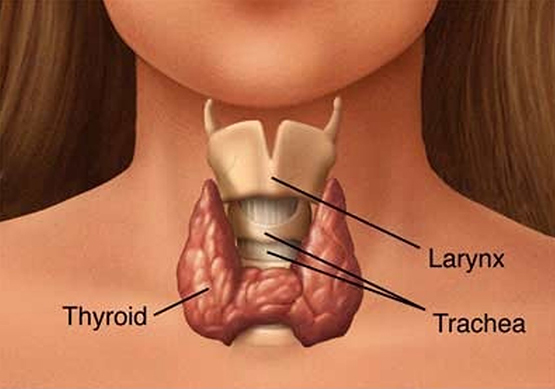 Thyroid
Shock or emergency situations are notorious for bringing on thyroid problems as well as fibromyalgia and Chronic Fatigue Syndrome. The reason for this is that when you are deficient in iodine your body is struggling to make do without it.
After a while your thyroid gives up suffering from fatigue and will eventually atrophy, a partial or complete wasting away. When this happens your adrenal glands try to pick up the slack. Without a break they also become fatigued, which leads to an adrenal failure.
Humans need at least 5mg of Iodine for the thyroid and 2.5mg per day for the rest of the body. Seaweed is the best food for substantial iodine intake.