Cells stem from?
Cells:
the Basic Building Blocks of all living things
There are about 100 trillion cells in the human flora (skin, gut, etc.) of which 90% are bacteria, mostly rendered harmless by the immune system.
The electrical potential of one cell is 1.17 V. The remaining 10 trillion body cells have an accumulated electrical potential of 11.700.000.000.000 Volts.
These 10 trillion cells contain more than 200 different types that vary in size, shape, and function. They:
- duplicate themselves,
- take in nutrients from food,
- provide structure for the body,
- carry out specialized functions,
- convert the nutrients into energy,
- contain the body’s hereditary material.
The genetic information contained in the DNA of our cells determines their structure and function, by indicating which proteins to create when. This detailed information is passed on from parent cell to daughter cell whenever a cell divides.
During fertilization, a sperm cell and an egg cell combine their genetic material of 23 chromosomes each. This type of cell division is called meiosis:
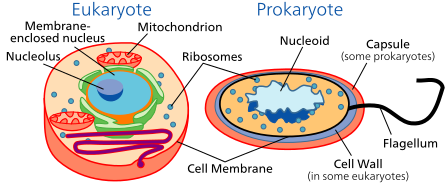
A prokaryote is a cellular organism without a nuclear membrane, no organelles in the cytoplasm except for ribosomes. Its genetic material is continuous strands forming coils or loops, like primitive microorganisms, bacteria and blue-green algae.
A eukaryote is an organism that has a cell containing specialized organelles in the cytoplasm, a membrane-bound nucleus with genetic material that is organized into chromosomes, and an elaborate system of division by mitosis or meiosis.
 <
<
This is characteristic of all life forms except the prokaryotes.
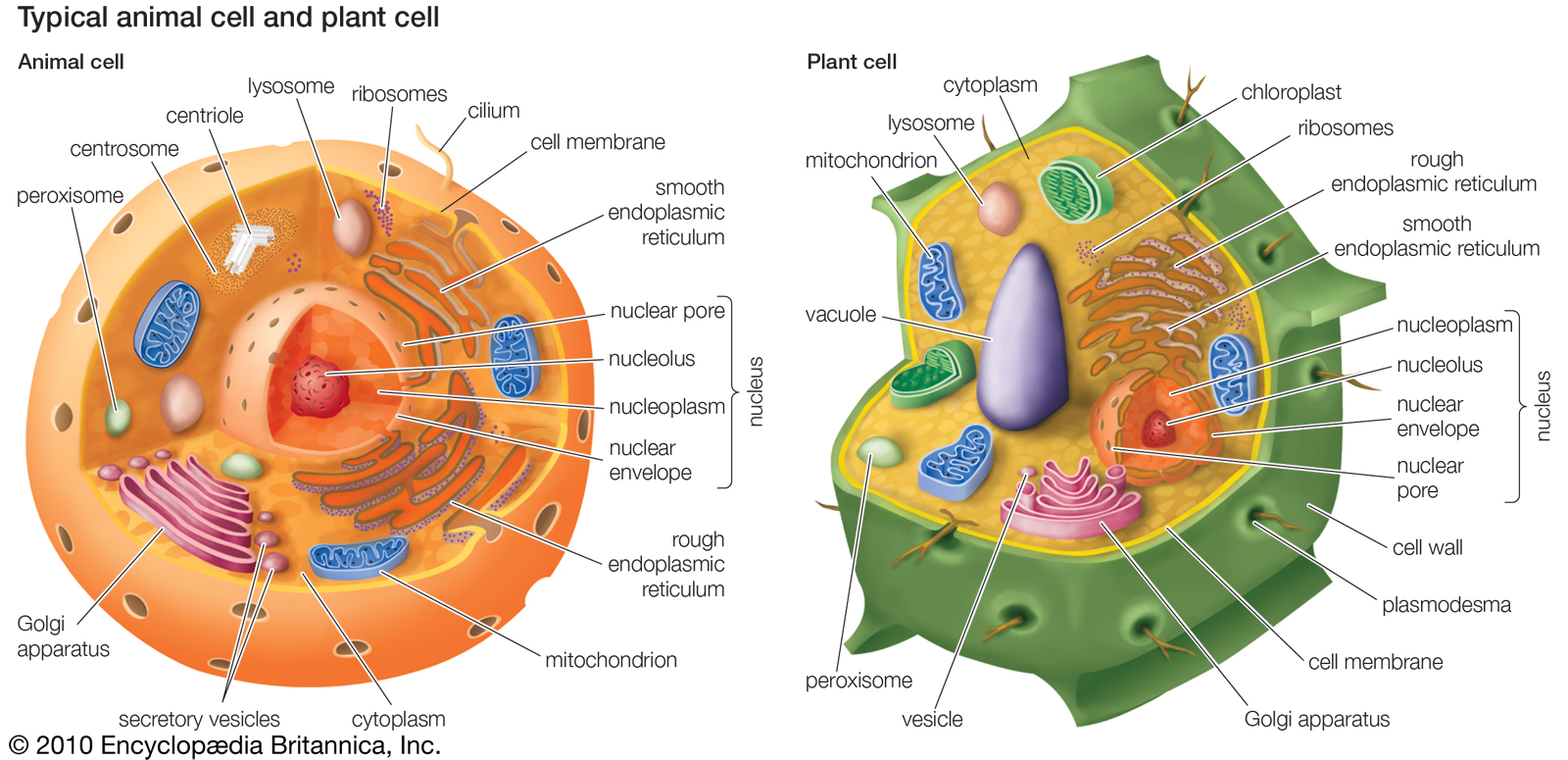
The body plan of the mammalian embryo is shaped through the process of gastrulation, an early developmental event that transforms an isotropic group of cells into an ensemble of tissues that is ordered with reference to three orthogonal axes. The biologist Dr Arias defends that genes do not define the uniqueness of an individual.
The altruistic cell: “An organism is the work of cells. Genes merely provide materials for their work,” he says in his book The Master Builder. He concluded that the DNA sequence of an individual is not an instruction manual or a construction plan, but a box of tools and materials for the true architect of life: the cell.
“Gastruloids are proof that a confederation of 400 cells has the ability to work together, interpret signals from each other and the environment and choose which genes to use and when. If the 400 are not there, the dance of gastrulation does not begin. They all have the same DNA molecule in their nucleus, but each cell reads only a few sections, specializing in certain tasks.”