Articles

  • What is Protein?

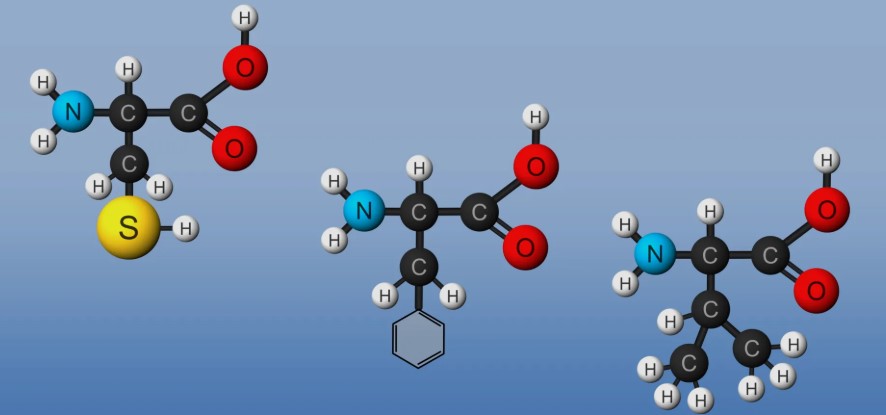
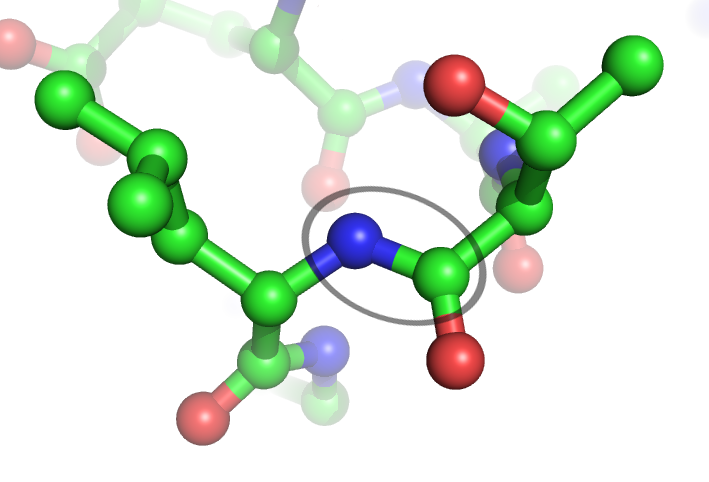
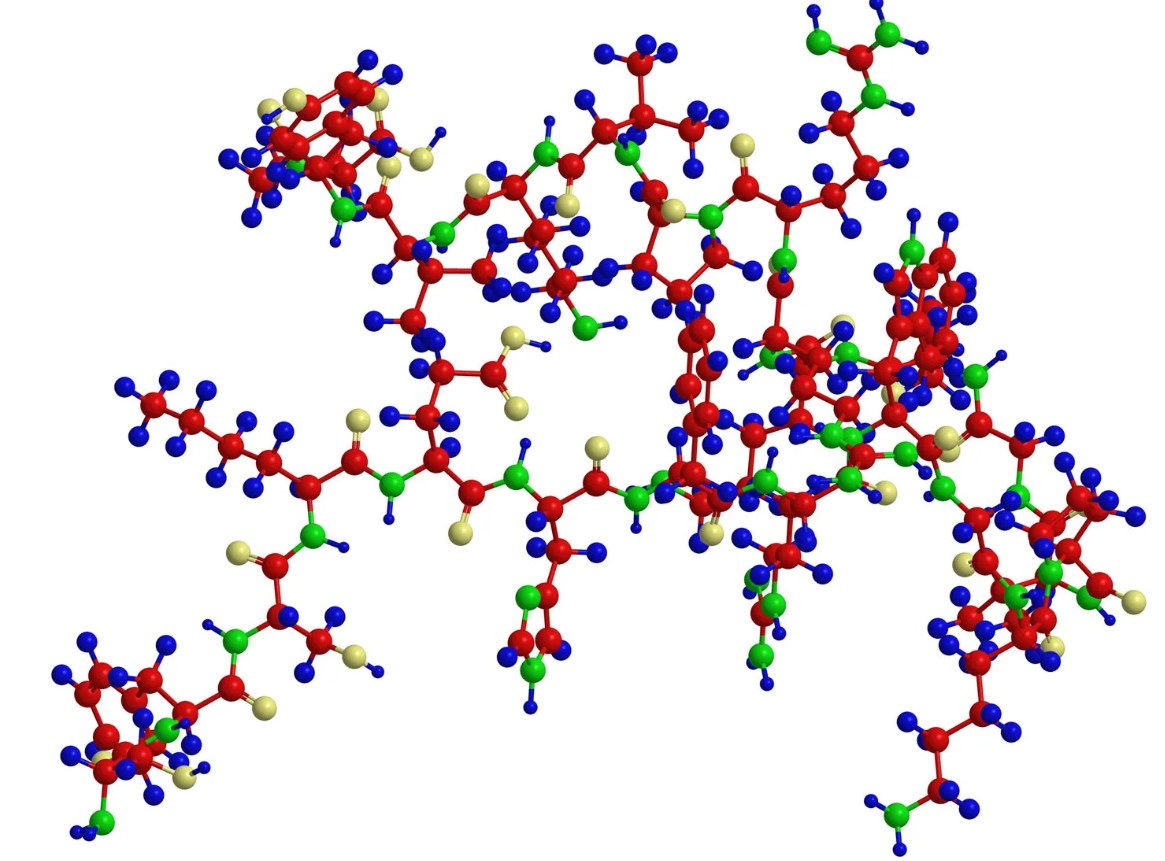
    The genetic code is the set of rules by which information encoded in genetic material (DNA or mRNA) is decoded into proteins (sequences of amino acids) by living cells. Proteins make the cell able to function, by telling the builder proteins how to create it. Proteins are integral and essential food components for all living…

  • Chromosome mapping

    Chromosome mapping is the process of locating specific genes on a chromosome. Chromosomes are collections of DNA, that contain genes. There are different types of chromosome maps. They vary in precision and completeness. Such a map is useful in understanding how genes give rise to certain physical traits. By identifying disease-causing genes, a possible treatment…

  • Chromosomes

    In molecular biology, the genome is the sum total of an organism’s hereditary info. The genome includes both the genes and the non-coding sequences of the DNA. The human genome of the modern (cro-magnon) human is stored on 23 pairs of chromosomes. Previous creatures, such as the Neanderthalers and primates, had 24 chromosome pairs. The…

  • New Gene Therapies?

    Hox Genes Certain genes that contain the homeobox sequence, the hox genes, are grouped in sequence along certain chromosomes. The order of this alignment reflects the positions of specific bones and body parts that these genes control. Through the regulatory proteins that they produce, various groups of hox genes orchestrate the entire anatomical structure of…

  • Homeotic Genes

    The human body is composed of several trillion cells, all coming from the same single fertilized egg, having the same genes, yet almost all of them have become specialized to perform certain tasks. This is because not all genes in a cell are activated at the same time. Several of the proteins that can bind…

  • Gene sequencing

    Gene sequencing is a process in which the individual base nucleotides in an organism’s DNA are identified. It laid the foundation for the Human Genome Project, completed in 2003. Different genes are activated in different cells, creating specific proteins that give each cell type its trait. Gene sequencing is used to learn about the genome…

  • Gene Mapping

    There are 3 different types of genes: A regulator gene. That is a gene that causes the production of a protein that regulates or suppresses the activity of one or more structural genes. A structural gene. That is a gene that determines the amino acid sequence of a protein. An operator gene activates the production…

  • Particle Gen-Code II

    Particle-based Genetic Code II DNA Mutagens? Most of our DNA is non-coding and thus useful for research by other disciplines and further consciousness expansion. Non-coding DNA is split into 2 groups: LINE (Long Interspersed Nuclear Element). LINE repetitive DNA is about 6500 base-Twins long and is dispersed throughout the Human Genome. SINE (Short Interspersed Nuclear…

  • The Helicase Cut?

    The Sugar inside DNA is called a Deoxy-ribose, while the sugar in RNA is called a Ribose. The phosphate groups attach to the 3rd (3’) and the 5th (5’) carbon atom of each sugar. One strand has a 5′ (prime) > 3′ (prime) direction; the other a 3′ prime > 5′ prime direction. This has…

  • Golden Mean DNA Dimensions

    One full turn of this Twin-helix entails 10 DNA (A-T or G-C) Twin molecules. Thus, 10 pentagons, ratcheting at 36 degrees, hold the 10 DNA base-Twin molecules in place. All genetic information lies within these rings of pentagons. Your physical being is in fact an atomic hologram manifested within a circle of pentagonally arranged atoms….

  • The Base Twins

    In DNA, the purines are Adenine (A), Guanine (G). They form hydrogen bonds with pyrimidines Cytosine (C) and Thymine (T). In RNA, Uracile (U) replaces the Thymine. The hydrogen bonding between complementary base pairs is such that the most energetically stable DNA configuration is achieved when Adenine pairs with Thymine and Guanine pairs with Cytosine,…