Endocrine system

The Neuro-Endocrine Parts
of our Nervous System

The endocrine system is a system of glands, each of which secretes a certain hormone directly into the bloodstream to regulate the body’s organism.

The most important neuro-endocrine centers of activity are located in the brain structures known as the pineal gland and the hypothalamus. The pituitary gland responds to signals from the hypothalamus.

Compounds released by the pituitary gland stimulate the hormonal glands throughout the body.

These neuro-endocrine nerve cells respond to fluctuations in the electromagnetic activities ‘within’ and outside of our planet, such as other planets, star systems, and galaxies. ‘Within’ the earth includes the ‘energy’ produced by the plant kingdom, in the form of the ATP molecule.


read more …

Similar Posts

  • Homeotic Genes

    The human body is composed of several trillion cells, all coming from the same single fertilized egg, having the same genes, yet almost all of them have become specialized to perform certain tasks. This is because not all genes in a cell are activated at the same time. Several of the proteins that can bind…

  • SNS & PSNS

    SYMPATHETIC NERVOUS SYSTEM: The SNS actions prepare the organism for physical or mental activity. When facing a major stressor, the SNS orchestrates the response. It dilates the bronchi and the pupils, accelerates the heart rate and the respiration, and increases perspiration and arterial blood pressure, but reduces digestive activity. Two neurotransmitters are primarily associated with…

  • Transformation

    Transformation is the process of changing something in relation to its polar opposite. When you transform from a traumatic to a peaceful state, you have to experience it through the felt sense faculty: a nervous system that oscillates between immobility and fluidity, emotions fluctuating between fear and courage, and perceptions shifting between narrow & broad…

  • The Holy Doors

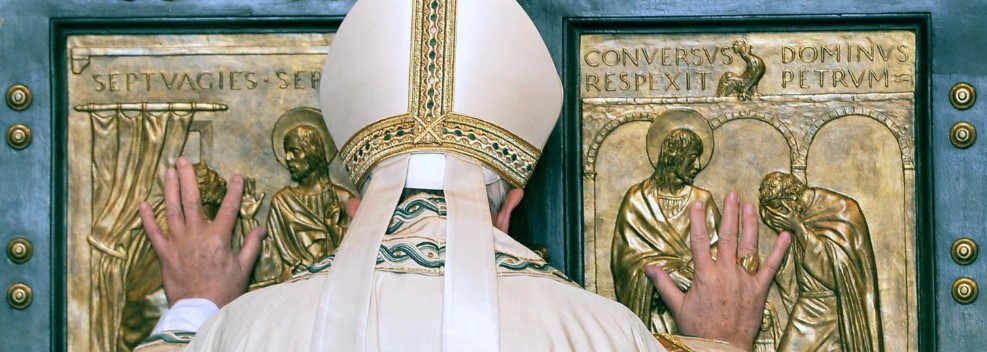
    The Jubilee The Jubilee has its origins in the Jewish tradition establishing every 50 years a year of rest for the land (to strengthen future cultivations), the restitution of confiscated lands, the liberation of slaves, and the forgiveness of debts, thus eliminating too rich or too poor people. To signal the beginning of the Jubilee,…

  • Peter Stuyvesant

    Wall Street, Manhattan Working for the Dutch West India Company in 1644, Stuyvesant was leading an assault on a Spanish fort on St Maarten in the Caribbean, when a cannonball hit his lower right leg. After a gruesome amputation, he was given his famous wooden leg. Statue of Peter “Peg Leg” inside St. Maarten’s Cruise…